Embark on a rain-proof adventure with this comprehensive guide to camping comfortably in the face of inclement weather. From choosing the right shelter to ensuring your food stays safe, this guide covers every essential aspect of a successful and enjoyable rainy-day camping trip. Proper preparation is key, and this guide will equip you with the knowledge and strategies to thrive in any weather condition.
This detailed exploration of camping in the rain will cover shelter considerations, insulation techniques, essential gear, campsite preparation, food and water management, campfire safety, and campsite hygiene. Each section will provide practical advice and actionable steps, ensuring you’re well-prepared for your next outdoor excursion, even if the forecast calls for rain.
Shelter Considerations
Creating a comfortable and safe camping experience during rainy weather hinges significantly on proper shelter considerations. A well-designed and properly maintained shelter protects campers from the elements, ensuring a dry and enjoyable trip. Choosing the right tent and understanding its proper setup are crucial for mitigating the risks associated with rain and wind.Effective shelter design incorporates features that prevent water penetration and withstand wind pressure.
This includes understanding tent types, materials, and proper placement to maximize protection. A well-prepared shelter is essential for a successful camping adventure in any weather.
Waterproof and Windproof Shelter Design
Creating a waterproof and windproof shelter involves a multi-faceted approach. First, select a tent with a reputable waterproofing rating. Next, ensure the tent is correctly pitched to minimize wind exposure. A properly placed groundsheet prevents water from seeping under the tent. A rain fly, if available, further enhances waterproofing by creating an additional layer of protection.
Using quality stakes and guylines is crucial to secure the tent against strong winds.
Tent Types for Rainy Weather
Different tent types offer varying levels of protection against rain and wind. A dome tent, for example, is generally easier to set up and often comes with a rain fly, making it a suitable choice for most rainy conditions. A tunnel tent, with its extended roof design, can provide good shelter from the elements. A geodesic tent, with its framework, can offer a more substantial structure against heavy rain and strong winds.
The best tent type depends on the expected weather conditions, the number of people in the party, and personal preferences.
Protecting the Tent from Rain Damage
Protecting a tent from rain damage involves proactive measures. A quality groundsheet is essential to prevent water from accumulating under the tent. A well-fitted rain fly, an external cover, adds a crucial layer of waterproofing. Properly securing the tent with strong stakes and guylines prevents the tent from being blown away or damaged by strong winds. Regular inspection and maintenance of the tent materials and components are crucial for long-term protection.
Tent Placement and Wind Considerations
Tent placement plays a crucial role in mitigating rain and wind damage. The ideal location is sheltered from direct wind and precipitation. Look for a level spot, preferably away from trees or other obstacles that could increase wind exposure. Consider the direction of prevailing winds and position the tent accordingly to minimize wind pressure. Understanding local weather patterns and potential wind conditions is important before setting up camp.
Shelter Materials: Pros and Cons
The choice of shelter material significantly affects the tent’s performance in rainy conditions. Canvas tents are known for their durability and waterproofing, but they can be heavier and more expensive than polyester alternatives. Polyester tents are lighter, more affordable, and often come with a rain fly, making them a practical option for many campers. The material choice should align with the expected weather conditions and the overall camping experience desired.
Comparison of Different Tent Models
| Tent Model | Waterproofing Rating | Weight (lbs) | Price ($) |
|---|---|---|---|
| Coleman Sundome 2 | High | 6 | 120 |
| MSR Hubba NX | High | 8 | 250 |
| Big Agnes Copper Spur HV UL2 | High | 5 | 280 |
| REI Co-op Flash 2 | Moderate | 4 | 150 |
This table provides a basic comparison of different tent models, highlighting their waterproofing ratings, weight, and approximate price. The figures presented are estimates and may vary based on the specific retailer and model variations. It is recommended to consult the manufacturer’s specifications for precise details.
Insulation and Warmth
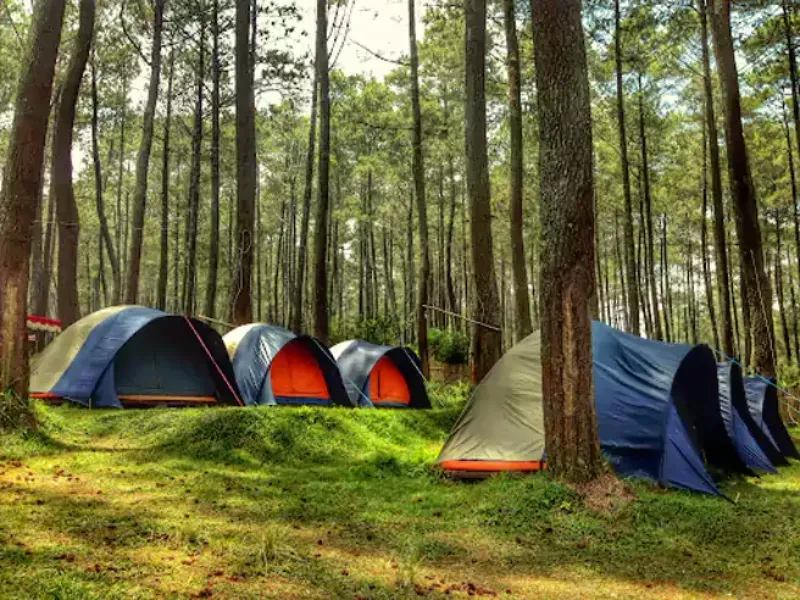
Maintaining warmth in wet conditions while camping requires a strategic approach. Understanding how to insulate your body and sleeping area is crucial for a comfortable and enjoyable experience, even when rain falls. Proper layering and the selection of appropriate gear are key factors in preventing hypothermia.Maintaining core body temperature is paramount in cold, wet conditions. Heat loss through the skin is significantly increased when exposed to moisture.
Therefore, focusing on preventing heat loss from the body and the sleeping area is essential. This includes selecting appropriate sleeping bags, using effective insulation materials, and employing proper layering techniques.
Sleeping Bag Selection
Selecting a sleeping bag appropriate for the expected temperatures is vital. Different sleeping bags are designed for varying temperatures, providing varying levels of insulation. Understanding these temperature ratings is key to choosing the right bag for your camping trip. Sleeping bags are rated using temperature scales that indicate the expected comfort, limit, and extreme temperatures for use.
Sleeping Bag Fillings and Insulation
Various materials are used to fill sleeping bags, each with different insulation properties. Down is a popular choice for its lightweight and highly effective insulation capabilities. Synthetic fillings, like polyester, are more durable and water-resistant, making them suitable for various weather conditions, including rain.
Layering Techniques
Layering clothing and bedding is essential to trap warm air and combat moisture. Wearing moisture-wicking base layers next to your skin is recommended to draw moisture away from your body. Insulating mid-layers, like fleece jackets or sweaters, can provide an extra layer of warmth. Waterproof outer layers will protect you from the elements.
Insulating Your Sleeping Area
Creating a well-insulated sleeping area is crucial for retaining warmth. A tarp or groundsheet can prevent heat loss from your body directly to the cold ground. This extra layer will provide a buffer between you and the damp earth, significantly improving your sleeping experience in wet conditions.
Insulation Material Comparison
| Filling Material | Insulation Properties | Pros | Cons |
|---|---|---|---|
| Down | Excellent insulation, lightweight | Exceptional warmth-to-weight ratio, soft | Susceptible to moisture damage, requires careful care |
| Synthetic (Polyester) | Durable, water-resistant | More durable, less prone to damage from moisture, more affordable | Generally less warm than down for the same weight, can be bulkier |
| Wool | Excellent insulator, breathable | Moisture-wicking, naturally odor-resistant | Can be heavy compared to down or synthetic, may require more layers |
Gear and Accessories
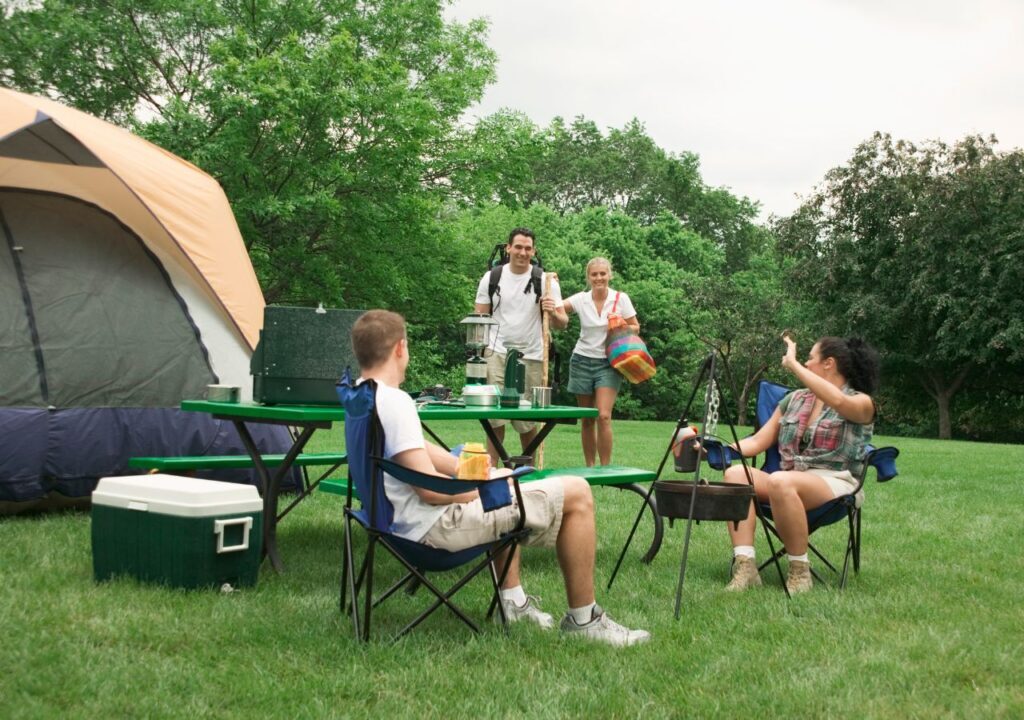
Preparing for a rainy camping trip involves more than just a sturdy tent. Choosing the right gear and accessories is crucial for maintaining comfort and safety. Appropriate rain gear, waterproof bags, and suitable footwear will enhance your experience, ensuring your enjoyment isn’t dampened by the elements.Effective rain gear and protective measures are essential for a comfortable and safe camping trip in rainy conditions.
Selecting gear that’s both waterproof and breathable is key to preventing overheating and discomfort. Properly sealing valuables and electronics in waterproof bags is paramount to preserving their functionality. Finally, appropriate footwear provides crucial support and protection against wet and potentially slippery terrain.
Rain Gear
Choosing rain gear that effectively blocks water while allowing moisture to escape is crucial for preventing discomfort and maintaining body temperature. Waterproof fabrics, such as those made with Gore-Tex or similar technologies, create a barrier against the elements. These materials typically incorporate a microporous membrane that allows perspiration to escape, preventing the user from overheating. Breathability is equally important, as excessive moisture buildup can lead to discomfort and potentially illness.
Consider the expected intensity and duration of rain when selecting your gear. A lightweight, packable rain jacket might suffice for light showers, while a heavier, more durable option might be necessary for prolonged or heavy downpours.
Waterproof Bags
Protecting your belongings from the elements is critical when camping in the rain. Waterproof bags are essential for safeguarding electronics, valuable items, and important documents. These bags are designed with water-resistant materials and sealed seams to ensure complete protection. By placing sensitive items in waterproof bags, you minimize the risk of damage caused by rain or unexpected splashes.
When choosing bags, consider the size and capacity needed to accommodate your gear. Many waterproof bags come in various sizes to suit different needs. This ensures that all your valuables are kept dry and safe.
Footwear
Selecting appropriate footwear is vital for navigating wet and potentially slippery terrain. Hiking boots or sturdy waterproof hiking shoes offer superior traction and support in damp conditions. These types of footwear are designed to protect your feet from water and debris. Consider the terrain and expected conditions when choosing your footwear. Waterproof boots with good tread will prevent slips and provide essential support.
A spare pair of socks or moisture-wicking socks can significantly enhance comfort and prevent blisters.
Using a Rain Poncho or Jacket
A rain poncho or jacket is a versatile piece of gear for rainy conditions. A rain poncho provides full-body coverage, while a jacket provides more targeted protection. A poncho typically offers greater protection against the elements, while a jacket offers more flexibility and mobility. When using a rain poncho, ensure it fits snugly but comfortably. When using a rain jacket, consider the layering system for additional warmth and protection.
Pay attention to the fit and adjust the jacket as needed. This helps prevent wind and water from entering.
Recommended Camping Gear for Rainy Conditions
| Gear Item | Function |
|---|---|
| Waterproof Rain Jacket/Poncho | Provides protection from rain and wind. |
| Waterproof Backpack/Dry Bags | Protects electronics and other valuables from water damage. |
| Waterproof Hiking Boots/Shoes | Provides support and protection from wet and slippery surfaces. |
| Extra Socks/Moisture-Wicking Socks | Maintains foot warmth and dryness. |
| Rain Pants/Bibs | Provides lower-body protection from rain. |
Campsite Preparation
Preparing a campsite effectively is crucial for a comfortable and enjoyable camping experience, especially during inclement weather. Proper campsite selection and preparation can significantly reduce the risk of water damage to your tent, gear, and belongings. This section will Artikel strategies for minimizing water damage and ensuring a dry and safe camping environment.
Minimizing Water Damage
Careful site selection and proactive measures are essential to mitigate the impact of rain or other precipitation on your camping trip. Understanding how to prepare your campsite can be the difference between a pleasant experience and one marred by water damage.
Selecting a Well-Drained and Elevated Site
Choosing a campsite with good drainage is paramount. Look for areas that slope gently away from your tent to allow water to run off naturally. Elevated sites, situated higher than surrounding areas, are less susceptible to flooding. Avoid low-lying areas, particularly near streams or depressions, where water may collect. Consider the potential impact of recent rainfall on the chosen area and evaluate the drainage characteristics of the site before setting up camp.
Creating a Drainage System Around Your Tent
Establishing a rudimentary drainage system around your tent is a vital step in preventing water accumulation. Create a slight incline around the perimeter of your tent using rocks, dirt, or sandbags. This will direct water away from the tent’s base. If possible, dig a shallow trench around the perimeter to divert water runoff. This proactive measure significantly reduces the risk of water pooling directly under your tent.
Avoiding Flooding and Standing Water
Flooding and standing water can quickly compromise your camping experience and damage your equipment. If you anticipate heavy rainfall, consider relocating your campsite to a higher, drier location. Check the weather forecast before setting up camp and be prepared to adjust your plans if necessary. When setting up camp, ensure your tent is positioned away from any low-lying areas.
This proactive approach will minimize the risk of flooding and standing water.
Protecting Your Gear from Water Damage
Proper storage of your gear is essential to protect it from water damage. Use waterproof bags or containers to store electronics, clothing, and other sensitive items. Store these items inside your tent or in a designated dry area if possible. Consider using a tarp or groundsheet to protect your belongings from direct contact with moisture. Employing these storage strategies will ensure your gear remains in optimal condition throughout your camping trip.
Campsite Preparation Steps (Priority Order)
| Priority | Step |
|---|---|
| 1 | Site Selection: Choose a location with good drainage and elevation. |
| 2 | Drainage System: Create a gentle slope around the tent using rocks, dirt, or sandbags. |
| 3 | Gear Protection: Store sensitive items in waterproof bags or containers. |
| 4 | Weather Monitoring: Check the weather forecast and be prepared to adjust your plans. |
| 5 | Flood Prevention: Avoid low-lying areas and consider relocating your campsite if necessary. |
Campfire Safety and Considerations

Proper campfire management is crucial for a safe and enjoyable camping experience, especially in unpredictable weather conditions. Understanding the risks associated with fire in wet environments and implementing the necessary precautions will significantly reduce the potential for hazards. This section will Artikel the safety measures for starting and maintaining campfires in various weather conditions, along with alternative cooking options when fire is not a viable option.Campfires, while a cherished part of camping, can present serious dangers if not managed responsibly.
Rain significantly alters the conditions around a campfire, making it more difficult to control and potentially increasing the risks of fire-related incidents. Wet wood burns less efficiently, increasing the risk of embers escaping the fire pit and causing a wildfire. Furthermore, the presence of water can affect the stability of the fire pit itself, increasing the potential for collapse or damage to surrounding vegetation.
Safety Measures for Starting a Campfire in Wet Weather
Wet wood requires significantly more effort and attention to ignite and maintain. Before attempting to start a fire, thoroughly dry the wood as much as possible. This involves stacking the wood in a well-ventilated area for several days, or using a dehumidifier to hasten the drying process. Use a fire starter or tinder that is designed to work in damp conditions, and consider using a fire pan or hearth to create a contained burn zone.
The use of fire retardant materials or a fire screen around the fire pit will help to minimize the risk of spreading embers.
Risks of Using a Campfire in Wet Conditions
Wet conditions increase the likelihood of several risks. The most significant risk is the potential for uncontrolled spread of fire. Wet wood burns less efficiently, often producing more sparks and embers that can easily ignite dry vegetation or spread to surrounding areas. Unpredictable wind patterns in wet weather can also carry embers considerable distances, creating a wildfire hazard.
The instability of a wet fire pit, especially on uneven or sloping ground, can also lead to the fire spreading or collapsing.
Importance of Proper Fire Pit Construction and Maintenance
A well-constructed fire pit is essential for safe and controlled burning. The pit should be dug into the ground, surrounded by a substantial ring of rocks or metal to contain the fire and prevent it from spreading. Ensure that the ground around the fire pit is cleared of any dry leaves, branches, or other flammable materials. Regular maintenance of the fire pit, including clearing any accumulated ash or debris, is vital to prevent future hazards.
Always ensure the fire pit is completely extinguished before leaving the campsite.
Alternative Cooking Methods if Starting a Fire is Not Possible
In situations where starting a campfire is impossible or unsafe, alternative cooking methods are essential. Portable camping stoves are a reliable option, providing consistent heat and controlled cooking. Consider using a portable grill or a camp oven for cooking meals. These options allow you to cook food without the risks associated with open flames.
How to Safely Store Firewood in the Rain
To prevent the wood from absorbing moisture, store it in a covered area or stack it off the ground to minimize contact with the ground. Raising the wood off the ground will help keep it dry, preventing rot and ensuring it will burn effectively when needed. Use waterproof tarps or other protective coverings to further shield the wood from rain and moisture.
Safety Precautions for Campfire Use in Different Weather Conditions
| Weather Condition | Safety Precautions |
|---|---|
| Dry Weather | Clear the area around the fire pit, maintain a safe distance from the fire, use a fire screen, and keep a bucket of water or sand nearby. |
| Wet Weather | Thoroughly dry the firewood, use a fire starter for damp conditions, construct a fire pit with a substantial ring of rocks or metal, keep a water source nearby, and maintain a clear area around the fire pit. |
| Windy Weather | Choose a sheltered location for the fire pit, avoid starting a fire if the wind is strong, and closely monitor the fire for any signs of uncontrolled spread. |
| Cold Weather | Use a sturdy fire pit, maintain a larger fire to produce sufficient heat, ensure the wood is dry, and use a fire screen or fire retardant materials. |
Campsite Hygiene and Sanitation
Maintaining a clean and sanitary campsite is crucial for a pleasant and safe camping experience, especially during rainy conditions. Proper hygiene practices, coupled with responsible waste disposal and water management, mitigate the risk of illness and protect the environment. This section details essential strategies for ensuring a healthy and sustainable camping trip in any weather.
Importance of Maintaining Hygiene
Maintaining hygiene is paramount during any camping trip, but especially in wet conditions. Rainy weather can lead to increased moisture, creating favorable environments for the growth of bacteria and other microorganisms. This can increase the risk of waterborne illnesses and other infections. Therefore, meticulous hygiene practices, including handwashing and proper sanitation, are critical to preventing illness and maintaining a healthy environment for everyone.
Proper Waste Disposal Methods in Rainy Conditions
Rainy conditions can affect waste disposal strategies. Improper waste disposal can lead to environmental contamination and health hazards. Therefore, meticulous planning and execution are essential. Carefully consider the proximity of water sources and ensure that waste is deposited in designated areas, ideally those that are shielded from rain. Properly sealed and waterproof containers should be used to store waste until disposal.
Bear in mind the specific regulations of the camping area.
Tips for Water Conservation and Purification During a Rainy Camping Trip
Rainy conditions can offer opportunities for collecting rainwater. However, it is essential to understand that rainwater, while potentially a source of water, may not always be potable. Therefore, purification methods are necessary. Collecting rainwater in clean containers, followed by boiling or using a water filter, is essential. It is vital to be mindful of water conservation, even when rain is abundant.
Water should be stored in a manner that prevents contamination.
How to Properly Clean and Disinfect Camping Gear
Cleaning and disinfecting camping gear is crucial to preventing the spread of germs and bacteria. This is particularly important in rainy conditions where dampness can facilitate microbial growth. Thoroughly clean all gear, including tents, sleeping bags, and cooking utensils, with soap and water. Then, use a disinfectant solution to eliminate potential pathogens. Proper drying is equally critical to prevent mold and mildew.
Ensure the gear is completely dry before storing it.
Importance of Handwashing and Personal Hygiene
Handwashing is a fundamental aspect of personal hygiene and plays a crucial role in preventing the spread of illness. In camping situations, handwashing is even more important, especially before and after handling food, using the toilet, and interacting with the environment. Washing hands thoroughly with soap and water, for at least 20 seconds, is a simple yet effective method to remove contaminants.
Maintain personal hygiene by regularly showering or bathing if the campsite allows.
Table of Proper Waste Disposal and Water Sanitation
| Category | Action | Rationale |
|---|---|---|
| Waste Disposal | Store waste in waterproof containers until reaching designated disposal points. | Prevents leakage and contamination of the environment. |
| Waste Disposal | Use designated waste receptacles provided by the campsite. | Adheres to campsite regulations and promotes environmental responsibility. |
| Water Sanitation | Collect rainwater in clean containers. | Potentially provides a water source but requires purification. |
| Water Sanitation | Purify water by boiling or using a water filter. | Removes harmful bacteria and contaminants, ensuring potable water. |
Final Summary
In conclusion, camping in the rain can be an incredibly rewarding experience when properly planned. By meticulously considering shelter, insulation, gear, campsite preparation, food management, and safety measures, you can ensure a pleasant and safe outing, regardless of the weather. This guide has provided a roadmap to successful rainy-day camping, equipping you with the knowledge to enjoy the beauty of nature even under less-than-ideal conditions.
Remember to prioritize safety and enjoy the unique charm of a rainy camping adventure!