Family camping trips offer cherished memories and create lasting bonds. This comprehensive guide provides detailed strategies for ensuring a comfortable and enjoyable experience for everyone, from meticulous pre-trip planning to post-trip reflections. We’ll cover essential gear, campsite setup, food preparation, safety precautions, and tips for creating lasting memories.
The guide delves into critical aspects such as selecting the perfect campsite, setting up a comfortable and functional camp, planning engaging activities for all ages, and ensuring the safety and well-being of the entire family. It offers practical advice for managing costs, optimizing space, and making the most of your family adventure.
Planning & Preparation
A well-planned camping trip significantly enhances the overall family experience. Careful preparation ensures a smooth and enjoyable adventure, minimizing potential hassles and maximizing the fun. This section details essential gear, pre-trip checklists, site selection strategies, and budgeting considerations.Effective planning transforms a potential camping trip into a memorable family experience. Thorough preparation and consideration of various aspects like gear, safety, and budget are crucial for a successful and comfortable outing.
Essential Gear for Family Camping
Properly equipped families are better prepared for the challenges and opportunities of camping. A comprehensive list of gear, tailored to different family members, is crucial for a comfortable and enjoyable experience.
- Adults: Backpacks, sleeping bags, headlamps, first-aid kit, sunscreen, insect repellent, cooking utensils, portable stove, water bottles, reusable food containers, and a multi-tool are essential. Consider adding a portable charger and a camera for capturing memories.
- Children: Smaller backpacks, age-appropriate sleeping bags, flashlights, comfortable clothing, hats, sunscreen, insect repellent, and toys are important. Pack for potential weather changes.
Pre-Trip Checklist
A thorough pre-trip checklist helps ensure a smooth and organized trip. This checklist covers packing, vehicle maintenance, and weather contingencies.
- Packing: Create a detailed packing list, marking off items as they are packed. This avoids last-minute scrambling and ensures nothing is forgotten. Use separate bags for different family members to manage belongings effectively. Consider labeling bags for easy identification.
- Vehicle Maintenance: Ensure the vehicle is in good working order, including checking tire pressure, fluids, and the functionality of the lights and wipers. Pack a spare tire, jumper cables, and a basic toolkit for potential issues on the road. A full tank of gas is essential.
- Weather Contingency Plans: Research the forecast and be prepared for potential changes. Pack layers of clothing and waterproof gear. Have a plan for alternative activities if the weather becomes severe. If needed, contact a local ranger station to confirm conditions.
Camping Site Selection Criteria
Choosing the right campsite is vital for a comfortable and safe camping experience. Important factors to consider include proximity to amenities, available space, and safety features.
- Proximity to Amenities: Consider the distance to restrooms, water sources, and picnic areas. Sites with these amenities nearby will make daily routines more convenient.
- Available Space: Assess the amount of space available for tents and other gear. Ensure sufficient space for children to play and for the family to relax comfortably. If possible, select a site with some privacy.
- Safety Features: Look for campsites with well-maintained paths and clear fire rings. Consider the proximity to any potential hazards like cliffs or water bodies. Assess the campsite’s proximity to emergency services and ranger stations.
Comparison of Tent Types
Different tent types offer varying levels of comfort and space. This table compares dome and cabin tents based on family size and desired features.
| Tent Type | Family Size | Features | Pros | Cons |
|---|---|---|---|---|
| Dome Tent | Small to Medium | Lightweight, relatively easy to set up | Quick setup, cost-effective, good for space limitations | May feel less spacious for larger families, can be less stable in high winds |
| Cabin Tent | Medium to Large | More spacious, roomier interior | More space, better weather protection, excellent for larger families | Heavier, more complex setup, potentially more expensive |
Budgeting for a Family Camping Trip
Creating a budget helps manage expectations and prevents surprises. Estimated costs for gear, food, activities, and emergencies are crucial for a successful trip.
- Gear Costs: Calculate the cost of new or used camping gear. Consider the cost of any upgrades or accessories needed for comfort. Examples include sleeping bags, tents, and cooking equipment.
- Food Costs: Estimate the cost of groceries for the entire trip. Plan meals that are easy to prepare and pack, minimizing the need for elaborate cooking facilities. Calculate costs for snacks and drinks.
- Activity Costs: Factor in the cost of any planned activities, such as park entrance fees or activities like hiking or fishing gear rentals. Consider alternative, free, activities like nature walks.
- Emergency Costs: Set aside a contingency fund for unexpected expenses, such as medical emergencies, vehicle repairs, or lost items. Examples of such emergencies are injuries, unexpected repairs, and theft.
Setting Up Camp Comfortably
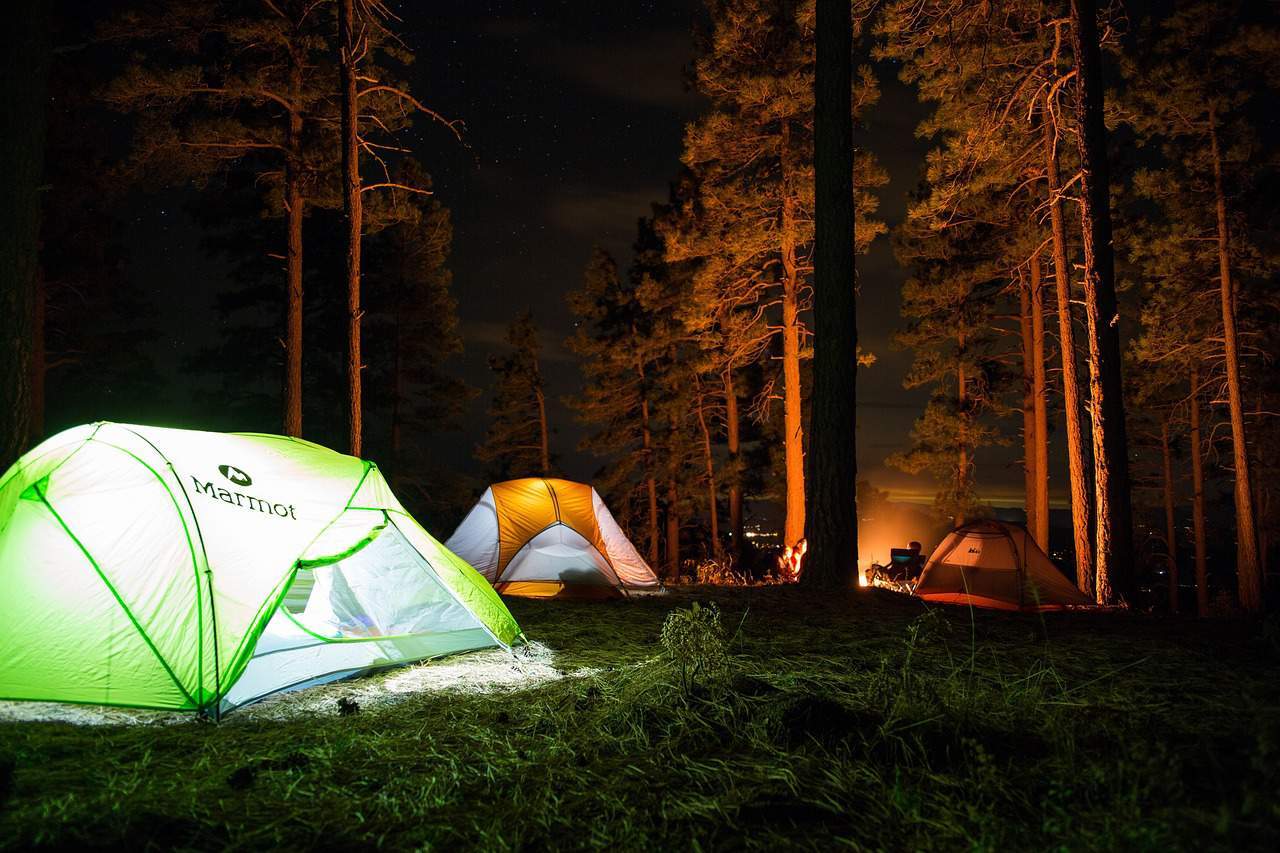
Creating a comfortable and enjoyable camping experience for your family hinges significantly on how you set up your campsite. Proper arrangement of tents, sleeping areas, and designated spaces for activities significantly impacts the overall enjoyment of the trip. Careful planning and execution of these steps can minimize stress and maximize the quality time spent together.
Optimizing Tent and Sleeping Area Arrangement
Effective tent arrangement is crucial for maximizing family space and privacy. Consider the number of people in each tent and the preferred degree of separation. If privacy is a priority, consider strategically placing tents, potentially with some space between them. This also creates room for individual activities, especially if there are children. For example, if one tent is for the parents and another for the children, placing them slightly apart can create more independent zones.
This will provide space for the children to play and for the parents to relax. This is also important if different members have different sleeping preferences.
Creating a Designated Play Area
A designated play area within the campsite is essential for children’s enjoyment and safety. The area should be easily accessible yet clearly defined to avoid conflicts with other activities. A space with soft ground cover, such as a grassy area or a designated play mat, will create a safe space for children to run, play, and interact. Consider including age-appropriate play equipment, like balls, frisbees, or other toys, to further enhance the play experience.
Maximizing Shade and Minimizing Sun Exposure
Careful placement of tents and the use of natural shade are vital for comfort, especially during hot weather. Positioning tents to take advantage of natural shade, like trees or large rocks, is important. Consider using lightweight, breathable fabrics for tents to improve airflow and reduce heat buildup. Utilizing shade canopies or even strategically placed tarps can offer further protection from the sun, especially for midday activities.
Camping Stove Comparison
Choosing the right camping stove is critical for convenient and efficient cooking. The following table provides a comparison of different stove types, highlighting their advantages and disadvantages.
| Stove Type | Pros | Cons |
|---|---|---|
| Portable butane stoves | Lightweight, easy to use, and relatively inexpensive. Fast boiling times. | Limited cooking power, may not be suitable for large groups or complex meals. Can be easily affected by wind. |
| Multi-fuel stoves | Versatile, can use multiple fuel sources (e.g., propane, butane, white gas). Often more powerful than butane stoves. | Can be more complex to use and maintain than butane stoves. May be heavier than other options. |
| Camp cookers | More powerful than portable stoves, providing greater cooking surface and space. Ideal for large families or multiple meals. | Often bulkier and heavier, requiring more space for storage and setup. May take longer to boil water. |
Food & Activities
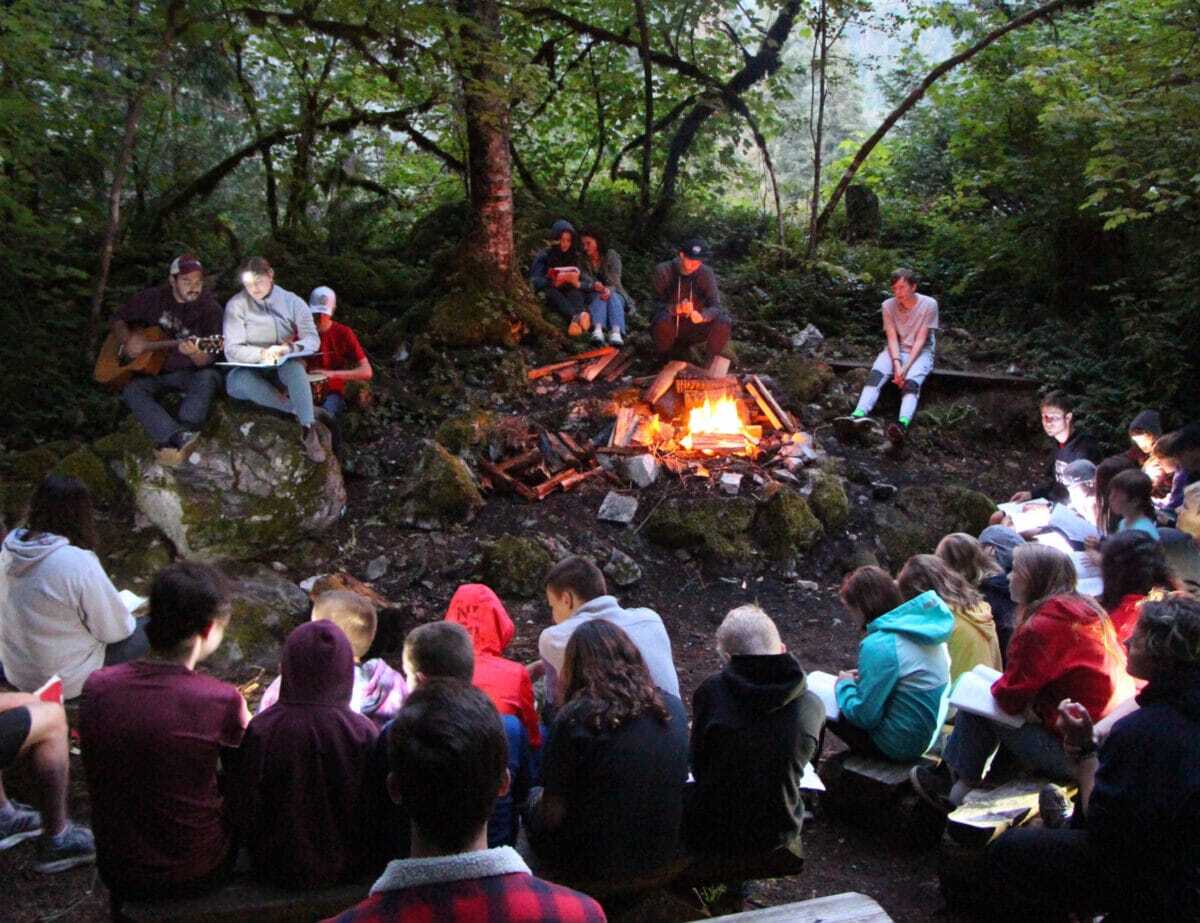
Enjoying a family camping trip hinges significantly on planning for delicious and nutritious meals, as well as engaging activities for all ages. Careful consideration of dietary needs and preferences, coupled with simple yet satisfying recipes, ensures a memorable experience for everyone. Equally important is the organization of outdoor activities that cater to diverse interests and energy levels. This section details strategies for food preparation, storage, and waste management, alongside suggestions for enriching activities that foster connection and create lasting memories.A well-planned camping trip ensures that everyone enjoys the experience, regardless of dietary restrictions.
A variety of options, from easy-to-prepare meals to engaging activities, can be tailored to suit different preferences and needs.
Meal Preparation Options
Careful planning is essential for preparing meals that accommodate diverse dietary needs. Families with specific dietary requirements, such as allergies or vegetarian preferences, need to be addressed proactively. Using readily available ingredients and basic cooking techniques, you can create satisfying meals without sacrificing nutritional value.
- Simple Recipes: One-pot pasta dishes, foil packet meals, and campfire pizzas are excellent examples of easy-to-prepare, flavorful options. These meals minimize cleanup and maximize enjoyment. For example, a simple foil packet meal with chicken, vegetables, and herbs requires minimal effort and yields a healthy, delicious meal. Alternatively, a campfire pizza can be customized with different toppings, creating a fun and interactive experience for the whole family.
These simple recipes can be easily adapted to accommodate dietary restrictions like gluten-free or dairy-free options.
- Dietary Considerations: Ensure that all dietary needs are met by checking ingredient lists and using appropriate substitutes when necessary. For example, if someone has a nut allergy, use nut-free alternatives in recipes. If you have vegetarians in your family, plan for vegetarian meals with plenty of protein and healthy carbohydrates. Pre-portioned snacks can help manage dietary restrictions and ensure easy access to snacks throughout the trip.
- Pre-portioned Snacks: Pre-portioned snacks can help ensure that everyone has access to healthy options. This can help with dietary management and reduce food waste.
Outdoor Activities for Families
Outdoor activities can be tailored to different ages and interests, fostering a shared sense of adventure and creating lasting memories. Families can engage in activities like hiking, swimming, or games.
- Hiking: Hiking offers a fantastic opportunity for physical activity and exploration. Choose trails that are appropriate for the abilities of your family members. Ensure that everyone carries enough water and snacks for the duration of the hike. Consider breaks to rest and recharge, allowing for bonding and interaction among family members.
- Swimming: Swimming is a refreshing and enjoyable activity, particularly on hot days. If swimming in a natural body of water, ensure safety precautions are taken. Life vests for children and appropriate supervision are crucial. Ensure the area is safe and suitable for swimming.
- Games: Camping games can provide amusement and interaction for all ages. Classic games like charades, card games, or frisbee can be fun for the whole family. Consider bringing outdoor games that can be played in the campsite or near a designated area. Board games can be a great alternative for rainy days.
Food Storage and Waste Management
Proper food storage and waste management are essential for maintaining a clean and healthy camping environment.
- Food Storage: Store food in airtight containers to prevent attracting animals and to maintain freshness. Keep perishable items cold using coolers and ice packs. Store food away from the campfire and other potential sources of heat.
- Waste Management: Pack out all trash and follow designated waste disposal procedures at the campsite. Composting food scraps and other biodegradable materials can be a great option for reducing waste and supporting a more sustainable environment. Consider purchasing reusable containers for storing food and beverages.
Fun Activities for All Ages
A well-planned camping trip provides a wealth of opportunities for fun and engaging activities for everyone. Consider activities that suit the diverse interests and ages within your family.
- Storytelling and Games: Gathering around a campfire for storytelling or board games can create lasting memories and strengthen family bonds. Encourage creativity by allowing children to create their own stories or engage in role-playing games.
- Nature Exploration: Encourage children to explore the natural surroundings. Look for birds, insects, and plants. This fosters a connection with nature and sparks curiosity.
- Stargazing: Find a spot away from city lights for a memorable stargazing experience. Use a stargazing app to identify constellations and planets.
Staying Safe & Healthy
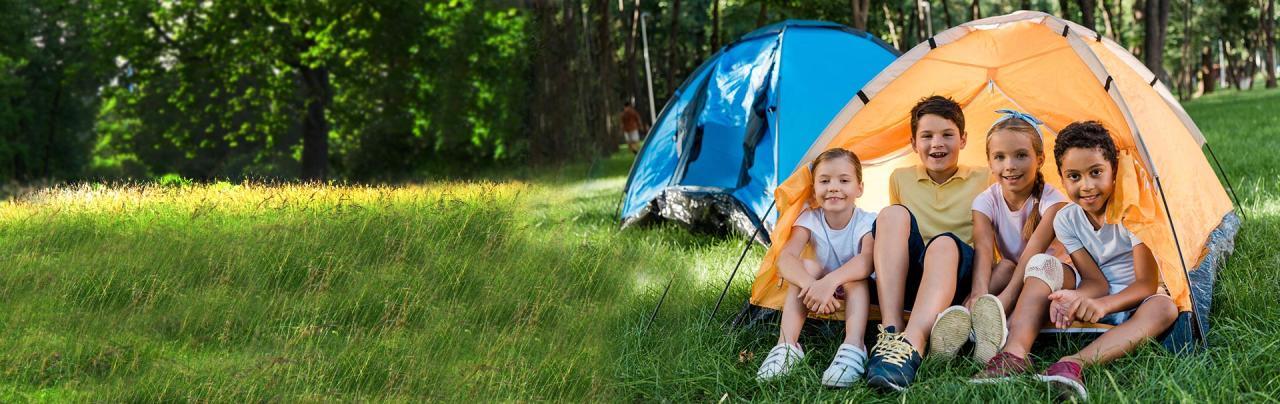
Ensuring a safe and enjoyable camping experience for your family is paramount. This section provides crucial information on safety precautions, prevention of illnesses and injuries, first aid, communication systems, and educating children about the natural environment. By proactively addressing potential risks, you can minimize hazards and create lasting positive memories.
Safety Precautions for Families
Camping presents unique safety considerations. Proper preparation and awareness of potential hazards are vital. Familiarizing yourself with the local area’s wildlife, weather patterns, and potential dangers such as flash floods or fire hazards is essential. These measures will help you make informed decisions about your campsite selection and activities.
- Wildlife Awareness: Research the local wildlife in the area. Understand their behaviors and potential threats. Store food securely to avoid attracting animals. Carry bear spray if necessary, and supervise children closely when encountering animals. Teach children not to approach or feed wild animals.
- Weather Contingency Planning: Be prepared for changing weather conditions. Pack appropriate clothing, and have a plan for sudden storms, heat waves, or extreme cold. Consider a weather radio to stay informed about local forecasts.
- Fire Safety: Maintain a safe distance from any flammable materials. Keep a fire extinguisher readily available. Never leave a campfire unattended, and thoroughly extinguish it before leaving the area. Ensure the fire pit is clean and free of debris before you leave.
- Water Safety: If camping near a lake, river, or ocean, establish clear swimming boundaries and supervise children closely. Teach children water safety rules, and emphasize the importance of never swimming alone. Inform yourself of the potential risks, currents, and conditions of the water source.
Preventing and Addressing Common Camping Illnesses
Maintaining good hygiene is crucial for preventing common camping illnesses. Carry hand sanitizer, and wash hands frequently, especially before eating. Proper food handling is essential. Use coolers to keep perishable foods cold, and avoid leaving food out at room temperature.
- Food Poisoning Prevention: Follow proper food handling guidelines to minimize the risk of food poisoning. Cook all food thoroughly, and store leftovers properly. Ensure that food is stored at the correct temperature, using a food thermometer if possible. Be mindful of using reusable containers, especially for storing food items, to avoid potential contamination.
- Insect Bites and Stings: Use insect repellent, especially during dawn and dusk. Dress in long sleeves and pants to minimize skin exposure. Treat bites promptly with antiseptic solutions, and seek medical attention if necessary.
- Sunburn Prevention: Apply sunscreen with a high SPF, and reapply frequently. Wear protective clothing, including hats and sunglasses. Stay hydrated by drinking plenty of water. Understand the sun’s intensity in the particular location and time of year.
First Aid Procedures for Common Camping Injuries
Having a well-stocked first-aid kit is essential for treating minor injuries. Common injuries include cuts, scrapes, blisters, and insect bites.
- Minor Cuts and Scrapes: Clean the wound thoroughly with antiseptic solution. Apply a bandage to prevent further injury. Watch for signs of infection. If the injury is deep or severe, seek medical attention immediately.
- Blisters: Protect the blister with a bandage to prevent further irritation. Avoid popping blisters. If the blister is painful, consult a doctor.
- Insect Bites: Apply antiseptic to the affected area. If the bite is severe or accompanied by allergic reactions, seek medical attention immediately.
Communication and Emergency Response
Establish a clear communication plan for emergencies. Inform someone of your itinerary and estimated return time. Have a designated meeting point in case of separation. Use a two-way radio or a satellite phone for reliable communication.
- Emergency Contact Information: Keep a list of emergency contact numbers easily accessible. Include phone numbers of family members, camp hosts, and local emergency services. Ensure everyone in the group has this information.
- Communication Devices: Consider bringing a two-way radio or satellite phone for reliable communication, especially in areas with limited cell service.
- Emergency Procedures: Develop a plan for handling various emergencies, including lost children, severe weather, and medical emergencies. Practice the plan with family members beforehand.
Teaching Children about Safety in the Natural Environment
Teaching children about safety in the natural environment is crucial. Instilling these principles can prevent accidents and promote a deeper appreciation for nature. Educate them about potential dangers and how to react appropriately.
- Respect for Nature: Teach children the importance of respecting the natural environment. Emphasize the need to stay on marked trails, not to disturb wildlife, and to pack out everything they pack in. Explain that they should never touch anything that might be dangerous, or anything that might belong to an animal or plant.
- Supervision and Awareness: Maintain close supervision of children, especially near water or wildlife. Teach children to be aware of their surroundings and to report any unusual situations to an adult. Teach them the importance of not straying from the group.
- Hazard Awareness: Explain common hazards in the natural environment, such as poisonous plants, wildlife, and steep terrain. Discuss the importance of avoiding these hazards and how to react if encountered. For example, if they see a rattlesnake, they should back away slowly and not approach it.
Post-Trip Reflection
Returning home after a family camping adventure provides a valuable opportunity for reflection. Analyzing the trip’s successes and challenges allows for continuous improvement and strengthens the bonds within the family. This process involves evaluating various aspects, from efficient packing to creating lasting memories. By understanding these elements, future camping trips can be even more enjoyable and enriching.A crucial step after any camping experience is to thoughtfully consider the entire process.
Reviewing the trip, identifying what went well, and acknowledging areas needing improvement allows for better planning and execution for future adventures. This thoughtful reflection is a key component of maximizing the benefits of family camping.
Efficient Packing and Environmental Impact
Careful packing minimizes stress and waste during the trip. Packing efficiently ensures a smooth departure and arrival. A pre-determined packing list, using reusable containers and bags, and minimizing single-use items contribute to a more sustainable experience. Proper planning reduces the need for unnecessary purchases and fosters environmental awareness.
- Pack strategically: Utilize packing cubes or containers to organize clothing and gear. Consider the weight of items and distribute them evenly for comfortable carrying. A checklist can be helpful in preventing omissions.
- Reduce waste: Use reusable water bottles, coffee cups, and food containers. Choose biodegradable or compostable alternatives for any necessary single-use items. Plan meals that minimize packaging.
- Leave no trace: Pack out everything you pack in. Dispose of waste responsibly at designated sites. Respect the natural environment and avoid disturbing wildlife.
Maintaining Camping Gear
Proper storage and maintenance of camping gear prolong its lifespan and ensure its readiness for future adventures. A well-maintained camping inventory translates into less frustration and more enjoyable trips.
- Proper storage: Clean and dry all gear after each trip. Store equipment in a dry, clean, and designated area. Use waterproof covers for tents, sleeping bags, and other vulnerable items.
- Regular maintenance: Inspect gear regularly for wear and tear. Repair or replace damaged items promptly to prevent further deterioration. Follow manufacturer instructions for cleaning and maintenance.
- Gear inventory: Keep a detailed inventory of your camping equipment. This can help track the age of items and anticipate replacement needs. Taking photos of equipment can also help you keep track of damage or wear and tear.
Creating Lasting Memories and Strengthening Bonds
Camping offers a unique opportunity for families to connect and create lasting memories. Shared experiences, regardless of age, foster deeper understanding and appreciation. By prioritizing quality time together, families can strengthen their bonds and create cherished memories that will last a lifetime.
- Engage in shared activities: Plan activities that cater to the interests of all family members. These activities can range from storytelling around a campfire to playing games or exploring the local area.
- Encourage open communication: Create a space for open communication and shared stories. Encourage family members to share their experiences and thoughts about the trip.
- Capture memories: Take photos and videos to document the trip. Keep a journal to record the memories and experiences. Sharing these with future generations will ensure that the memories remain vivid.
Planning for Future Trips
Planning and preparation are key to a successful camping trip. By learning from previous experiences, families can create more enjoyable and enriching adventures in the future.
- Review and refine the plan: Analyze what worked well and what could be improved. Adapt the plan based on feedback and lessons learned.
- Consider alternative destinations: Explore new locations and destinations to add variety to the family camping experience. Think about locations that cater to different interests within the family.
- Improve packing techniques: Optimize packing procedures based on previous experiences to reduce packing time and ensure everything needed is readily available.
Lessons Learned and Future Improvement
| Lesson Learned | Action Plan for Improvement |
|---|---|
| Packing efficiency was challenging. | Develop a detailed packing list and utilize packing cubes or containers for better organization. |
| Environmental impact was not prioritized. | Implement sustainable practices, such as using reusable items and minimizing waste. |
| Family bonding activities were limited. | Plan engaging activities that cater to everyone’s interests, like games or storytelling. |
Campsite Setup Illustrations
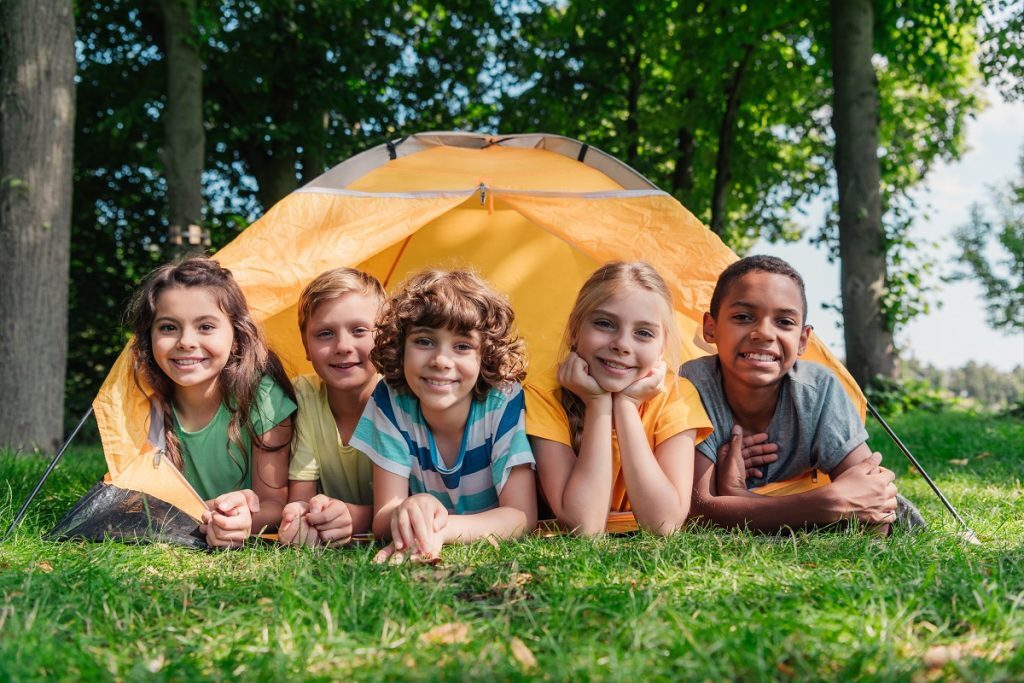
Creating a comfortable and enjoyable campsite is crucial for a successful family camping trip. Careful planning and thoughtful setup contribute significantly to the overall experience. This section will detail various aspects of campsite layout, emphasizing space optimization, safety, and family-friendly design.A well-organized campsite promotes relaxation and reduces stress, ensuring everyone enjoys the outdoors. This approach also allows for efficient use of space, maximizing comfort and minimizing wasted areas.
Campsite Layouts for Families
Careful arrangement of the campsite can make a significant difference in the overall enjoyment of the trip. Different layouts cater to varying family needs and preferences. A circular layout, for example, allows for easy access to the cooking area and the central gathering space. Alternatively, a linear layout can work well for larger families or groups, distributing the different activity areas along a path.
- Circular Layout: This layout centers around a central point, often a campfire or a designated gathering area. Tents are positioned in a circle around this central point. This design encourages interaction and easy access to common areas. It is particularly well-suited for smaller families or groups seeking close proximity and a sense of community.
- Linear Layout: This layout is ideal for larger families or groups. Tents are positioned along a line, often with the cooking area and other activity zones situated along the line or slightly offset. This arrangement offers more space for individual tents and activities, while still maintaining a sense of connectedness.
- Combination Layout: Combining elements of both circular and linear layouts provides flexibility. A central campfire area can be the focal point, with tents arranged in a semi-circular or linear pattern around it, creating a balanced mix of shared and individual spaces.
Comfortable Cooking Area
A well-designed cooking area is essential for a seamless camping experience. Proper organization and equipment selection contribute significantly to the efficiency and comfort of meal preparation.
- Location and Space: Choose a level, well-drained area near your campsite. Ensure adequate space for setting up your cooking equipment, such as a portable grill or stove. Consider proximity to water sources for easier cleanup.
- Equipment Selection: Select equipment based on your needs and the size of your group. A portable grill or stove, along with cookware, utensils, and plates, are essential. Lightweight, compact options are recommended for easy transport and storage.
- Organization and Storage: Keep your cooking area organized by using designated storage containers and trays. Group similar items together for quick access and prevent clutter. Using a folding table can be extremely helpful for maintaining a tidy space.
Organized Storage Spaces
Efficient storage is crucial for maintaining a clutter-free and comfortable campsite. Proper organization prevents gear from getting lost or damaged.
- Designated Storage Areas: Establish designated areas for storing various camping gear, such as tents, sleeping bags, cooking supplies, and personal belongings. This organization minimizes clutter and makes it easier to find what you need.
- Storage Containers: Use waterproof and durable containers to store items, protecting them from the elements. Label containers clearly to identify their contents quickly.
- Vertical Storage Solutions: Utilize vertical storage options like shelves or wall-mounted organizers to maximize space and keep items off the ground. This is particularly helpful for smaller campsites.
Setting Up a Tent in Various Conditions
Proper tent setup is critical for a comfortable and safe camping experience. This includes taking into account different weather conditions.
- Dry Weather Setup: Follow the manufacturer’s instructions carefully for setting up the tent in dry conditions. Ensure all poles and ropes are securely fastened. Pay close attention to the tent’s ventilation system to ensure proper air circulation.
- Rainy Weather Setup: In wet conditions, set up the tent in a sheltered area to avoid water pooling. Check for any potential leaks and ensure the tent is well-grounded. Consider using waterproof groundsheets to further protect the tent from moisture.
- Windy Weather Setup: Secure the tent firmly to the ground with stakes or ropes in windy conditions. Double-check all connections to ensure they are strong enough to withstand the wind. Adjust the tent’s ventilation to reduce the pressure difference inside and outside the tent.
Campfire Layout for Families
A well-planned campfire layout is essential for a safe and enjoyable experience for the whole family.
- Safety First: Establish a clear perimeter around the campfire to prevent accidental contact. Clear the area around the campfire of any flammable materials. Always supervise children around the fire.
- Fuel Preparation: Use appropriate fuel for the campfire. Ensure the fuel is dry and stored properly to avoid accidental fires. Use smaller logs or kindling for starting the fire.
- Clearance and Ventilation: Maintain adequate clearance around the campfire to prevent sparks from igniting nearby materials. Ensure good ventilation to prevent smoke buildup.
Ending Remarks
In conclusion, this guide equips families with the knowledge and tools necessary to plan, execute, and enjoy a truly memorable camping experience. By addressing crucial aspects like gear selection, campsite setup, food preparation, safety measures, and post-trip reflection, we aim to empower families to create lasting memories and foster stronger bonds through the shared joy of outdoor adventures. Remember, thorough preparation and careful consideration of all aspects contribute to a seamless and fulfilling camping trip.