Embark on an adventure without breaking the bank! This guide unveils the secrets to experiencing the joy of camping without sacrificing comfort or your budget. From selecting the right gear to planning budget-friendly destinations, we’ll explore practical strategies to make your camping trip truly enjoyable.
This comprehensive guide will cover essential gear selection, including budget-friendly alternatives, and explore affordable camping destinations. It also provides tips for creating a comfortable campsite, preparing budget-friendly meals, staying warm and dry, and minimizing overall campsite costs.
Choosing the Right Gear on a Budget
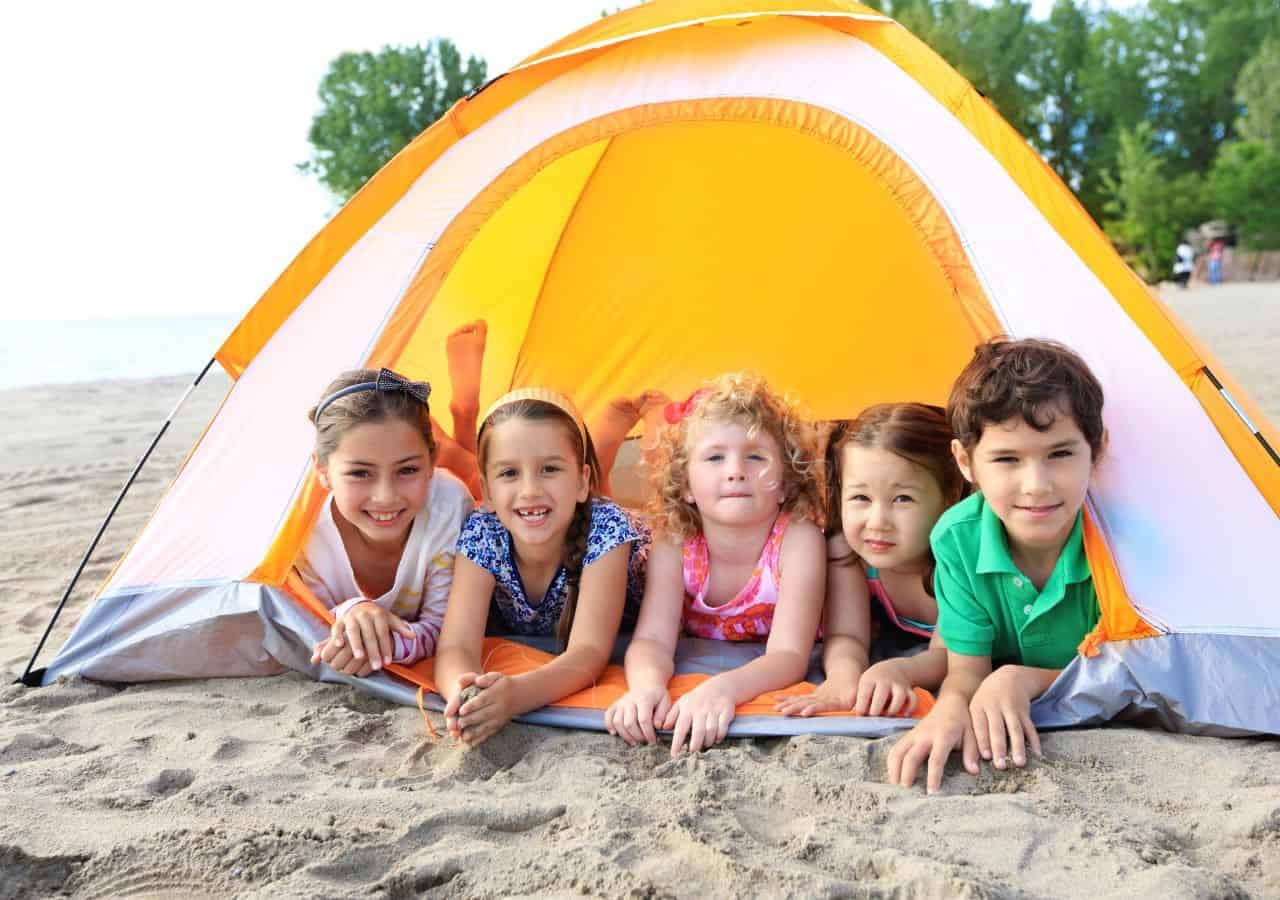
Budget-conscious camping often involves a careful selection of gear. Prioritizing essential items and exploring affordable alternatives can significantly reduce the cost of your camping experience while ensuring comfort and enjoyment. This section will guide you through choosing the right gear for your next camping trip without breaking the bank.Essential camping gear varies based on individual preferences and the type of camping experience.
However, a few key categories are essential for any trip. Choosing the right gear involves a balance of necessity, comfort, and cost-effectiveness.
Essential Camping Gear Categories
Careful consideration of essential camping gear categories helps in prioritizing purchases. Categorizing gear allows for a more structured approach to budgeting and selecting items based on importance. This ensures that you have the necessary equipment without overspending.
- Shelter: A tent is crucial for protection from the elements. Consider lightweight, durable models from reputable brands. Secondhand tents can be a great way to save money without compromising quality. If you are a beginner or want to keep things simple, consider a pop-up tent which is usually easier to set up and less expensive than other models.
- Sleeping: A comfortable sleeping bag and pad are essential for a good night’s sleep. Look for bags with a warmth rating appropriate for the expected temperatures. Sleeping pads, while an additional cost, provide insulation and comfort, preventing the cold from seeping into your body.
- Cooking: A portable stove, cookware, and utensils are necessary for preparing meals. Consider lightweight and compact options that are easy to store and transport. A simple camp stove, a pot, and a pan can often suffice, saving you a lot of money.
- Clothing: Pack layers of clothing to adapt to changing weather conditions. Moisture-wicking materials and rain gear are important for staying comfortable and dry. Consider investing in quality base layers, as these can make a huge difference in your comfort.
- Navigation and Safety: A map, compass, and a first-aid kit are essential for any outdoor activity. This is particularly important for longer trips. These items are crucial for safety and help you to be well-prepared for any unexpected situation.
Assessing Camping Needs and Prioritizing Gear
Determining your camping needs and prioritizing gear based on your budget is key. Think about the length of your trip, the expected weather conditions, and your personal preferences. Beginners should focus on essential items and gradually add more gear as their experience grows. A checklist can help you track what you have and what you need.
Budget-Friendly Sleeping Bag Comparison
This table compares budget-friendly sleeping bags, highlighting key features and prices. The selection focuses on affordability without sacrificing crucial factors like warmth rating and size.
| Brand | Warmth Rating | Size | Price (USD) | Features |
|---|---|---|---|---|
| Brand A | 30°F | Regular | $50 | Lightweight, synthetic fill |
| Brand B | 20°F | Regular | $45 | Durable, zippered closure |
| Brand C | 40°F | Queen | $65 | Good for larger individuals, insulated |
Finding Secondhand Camping Gear
Thrift stores, online marketplaces (like eBay or Facebook Marketplace), and local outdoor gear shops are excellent sources for secondhand gear. Look for gently used items in good condition to save money. Inspect items carefully before purchasing to ensure they are in working order. Checking for any damage is essential before making a purchase.
Extending Gear Lifespan
Proper care and maintenance can significantly extend the lifespan of your camping gear. Clean and dry gear after each use to prevent mold and mildew. Store gear in a cool, dry place when not in use. Repair minor damage promptly to prevent further deterioration. Following these tips can help you get the most out of your camping gear.
Budget-Friendly Camping Destinations
Planning a camping trip without breaking the bank is entirely achievable. Exploring affordable or free camping options can unlock fantastic outdoor adventures. This section will guide you through discovering budget-friendly camping destinations, examining their advantages and disadvantages, and strategies to minimize travel costs.Discovering these hidden gems can lead to unforgettable experiences, showcasing the beauty of nature without emptying your wallet.
By carefully considering factors like amenities, scenery, and accessibility, you can make an informed decision that aligns with your budget and preferences.
Affordable Campground Options
Finding campsites that fit various budgets is crucial. Many state and national parks offer affordable camping options, often significantly cheaper than private campgrounds. Local parks and recreation areas also frequently have budget-friendly or free camping opportunities. These options provide a range of experiences, from rustic to slightly more developed sites.
- State Parks: State parks often have lower entry fees compared to national parks, and camping fees can vary depending on the amenities offered. For example, some state parks may offer basic campsites with minimal facilities, while others may provide full hookups and more developed amenities. Research specific parks in your area to find options that best suit your needs and budget.
- National Forests: Many national forests have dispersed camping options, allowing for a more secluded experience. However, these sites may not have restrooms or other amenities. Make sure to check the specific regulations for dispersed camping in the forest you plan to visit, as they can vary greatly.
- Local Parks and Recreation Areas: Local parks and recreation areas frequently offer budget-friendly or free camping options. These are excellent choices for those seeking a closer-to-home experience. Be mindful that facilities and amenities might be more basic compared to larger campgrounds.
Comparing Campground Amenities and Scenery
The level of amenities and the natural beauty of the campground can significantly impact the overall experience. A campground with limited amenities might offer a more rustic experience, but it could also involve more self-reliance.
- Amenities: Campgrounds vary significantly in amenities. Some offer restrooms, showers, laundry facilities, and even playgrounds. Others might have basic pit toilets and water sources. Consider your priorities and choose a campground with amenities that align with your needs and comfort level.
- Scenery: The beauty of the surrounding landscape is a significant factor in choosing a camping destination. Some campgrounds are located near stunning lakes, mountains, or forests, while others might be situated in more rural or less visually striking areas. Research the scenery to ensure it aligns with your preferences.
- Accessibility: Consider the ease of access to the campground. Are there nearby towns for supplies or services? How far is the campground from major roads or highways? Accessibility plays a vital role in minimizing travel costs and ensuring a smooth trip.
Discount Campgrounds and Deals
Several campgrounds offer discounts or special deals. These discounts often target specific groups, such as families, seniors, or military personnel.
- Seasonal Deals: Check for seasonal discounts and promotions. Campgrounds often have lower prices during the off-season or on specific dates. Be sure to look for deals on websites or directly with the campground for the best prices.
- Group Discounts: Many campgrounds offer group discounts for larger parties. This can be a cost-effective option for families or friends traveling together.
- Loyalty Programs: Some campgrounds or park systems have loyalty programs that offer discounts to returning visitors. Signing up for these programs can provide substantial savings over time.
Minimizing Travel Costs
Reducing travel costs can significantly impact your overall camping budget.
- Travel Timing: Consider traveling during the off-season or on weekdays to potentially lower accommodation and gas costs. Avoid traveling during peak season, when prices are usually higher.
- Transportation Choices: Carpooling with friends or family can significantly reduce gas expenses. Consider using public transportation if possible. Renting a car may not always be necessary if the campground is accessible by public transit or you can use other transportation methods.
- Packing Essentials: Packing necessary items beforehand can save you money and time. Create a checklist to ensure you have everything you need and minimize the need for last-minute purchases.
Checking for Seasonal Deals
Checking for seasonal deals is essential for minimizing costs. Discounts and promotions frequently vary by season and availability.
- Online Resources: Websites specializing in camping and outdoor recreation often post current deals and discounts. Check websites like recreation.gov, reserveamerica.com, and similar resources for deals.
- Campground Websites: Visit the specific campground website directly to see any current promotions or special offers. This often provides the most up-to-date information.
- Social Media: Stay updated by following social media accounts of your preferred campgrounds or recreation areas. These channels often announce special offers and promotions.
Creating a Comfortable Campsite
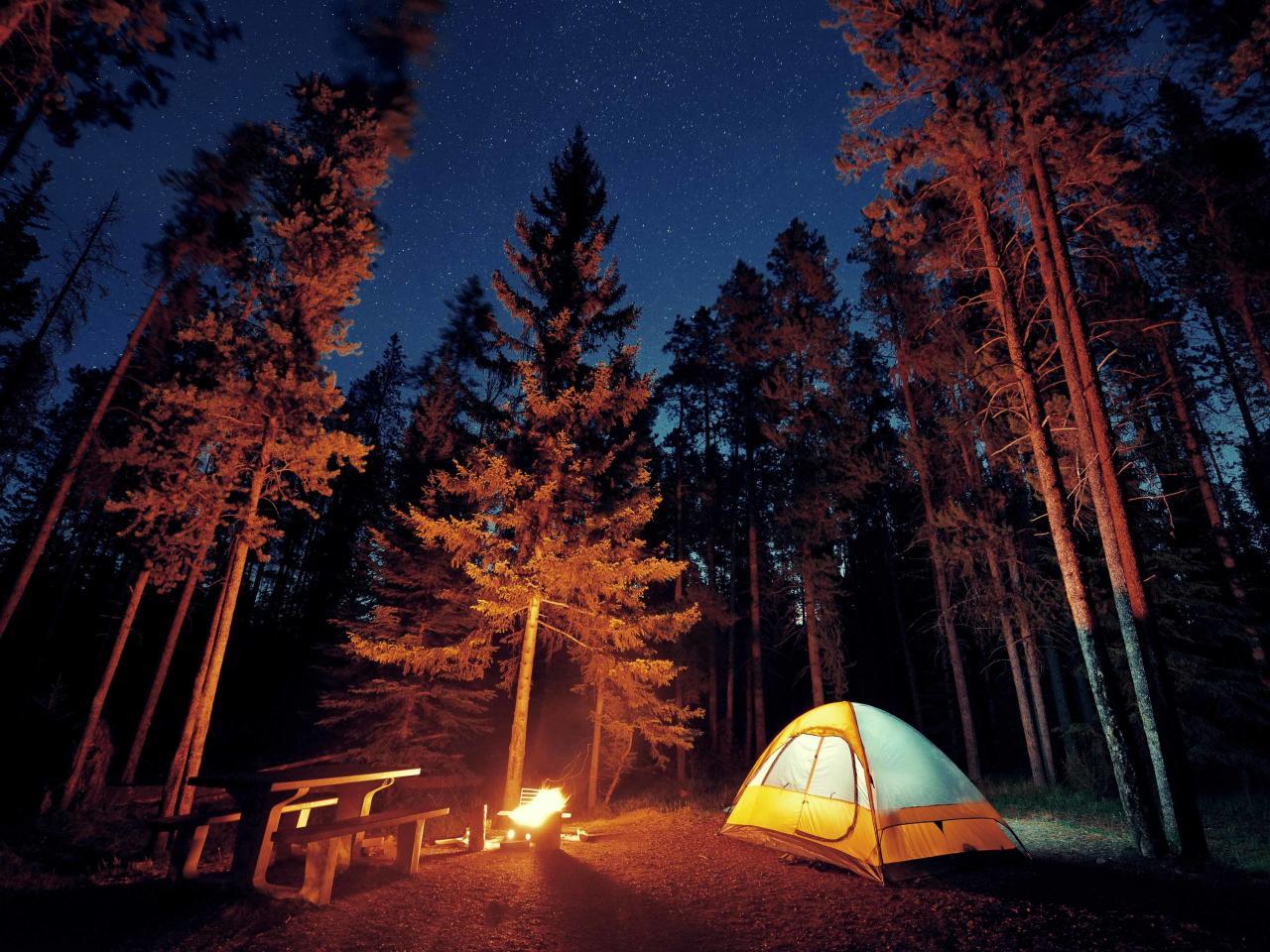
Creating a comfortable campsite on a budget involves thoughtful planning and maximizing the use of available resources. By strategically selecting your campsite location and utilizing natural elements, you can significantly enhance your camping experience without breaking the bank. This approach prioritizes comfort, organization, and minimizing environmental impact.
Maximizing Comfort on a Budget
A comfortable campsite doesn’t necessitate expensive gear. Simple adjustments to your setup can dramatically improve your experience. Consider using inexpensive groundsheets or tarps to insulate your sleeping area from the ground and provide a barrier against moisture. Using existing natural elements like rocks or branches for makeshift footrests or tables can free up space and money. Furthermore, investing in lightweight, compact, and multi-purpose gear can save space and weight while enhancing comfort.
Creating a Comfortable and Organized Layout
A well-organized campsite promotes relaxation and ease of access. Arrange your tent, sleeping area, cooking space, and storage in a logical pattern, ensuring everything is within easy reach. A simple system of organizing gear using waterproof bags or containers can keep everything tidy and protect your belongings from the elements. Clear pathways around the campsite facilitate movement without tripping hazards.
A designated area for food storage helps prevent attracting unwanted wildlife.
Utilizing Natural Resources for Enhanced Comfort
Natural elements can be effectively leveraged to create a more comfortable and enjoyable camping experience. Find a campsite with natural shade to avoid the midday sun. Use strategically placed branches or rocks to create windbreaks to shield you from harsh winds. A well-chosen location, with consideration for natural barriers, can offer a sense of privacy.
Importance of Proper Site Selection
Selecting the right campsite is crucial for a positive camping experience. Consider factors like privacy, access to facilities (water sources, restrooms), and safety. Look for a level area to prevent uneven sleeping surfaces. Check for potential hazards such as unstable ground, overhanging branches, or proximity to dangerous wildlife. Nearby amenities like potable water sources and waste disposal facilities will ease the burden of carrying supplies and managing waste.
Always check for fire restrictions and follow any regulations for campfire safety.
Waste Management and Environmental Considerations
Minimizing environmental impact is essential for responsible camping. A well-planned approach to waste management can contribute to a cleaner and more sustainable experience for everyone.
| Waste Management Method | Description | Environmental Impact |
|---|---|---|
| Pack it in, pack it out | Bring all trash and waste back to civilization. | Minimizes litter and pollution. |
| Properly dispose of waste | Use designated waste receptacles and follow campground guidelines. | Reduces waste buildup and pollution in natural environments. |
| Composting | Separate food scraps and biodegradable materials for composting. | Reduces landfill waste and enriches soil. |
| Reduce consumption | Use reusable containers and avoid single-use plastics. | Minimizes plastic waste and conserves resources. |
Preparing Budget-Friendly Meals
Savoring delicious and nutritious meals during a camping trip doesn’t have to break the bank. Planning ahead and utilizing simple cooking techniques can ensure a fulfilling experience without overspending. This section explores strategies for preparing budget-friendly, healthy meals that complement your camping adventure.A crucial aspect of budget-conscious camping is meal planning. By thoughtfully selecting recipes and considering portion sizes, you can significantly reduce food costs and minimize waste.
This approach also allows for easier packing and preparation during your trip.
Budget-Friendly Camping Recipes
A well-stocked pantry and a few key ingredients can yield satisfying meals. Consider incorporating versatile staples like beans, rice, pasta, and lentils into your meal plan. These ingredients are inexpensive, high in nutrients, and adaptable to various flavors. Simple recipes like bean burritos, pasta primavera, or lentil soup can be easily prepared on a campfire or portable stove.
Packing Light and Minimizing Food Waste
Efficient packing is paramount for minimizing food waste and maximizing space in your backpack. Choose non-perishable or long-lasting foods that can withstand the rigors of travel. For example, dried fruits, nuts, and granola bars are excellent choices for snacks and can be stored easily. Properly storing perishable items in insulated coolers and using reusable containers can significantly reduce spoilage.
Efficient Cooking Methods for Campfires and Portable Stoves
Cooking over a campfire or portable stove requires specific techniques for optimal efficiency. One effective strategy is to prepare multiple dishes simultaneously, utilizing the heat from a single cooking source. This reduces cooking time and conserves fuel. For example, you could cook rice and beans together in a single pot, saving fuel and time. Another strategy is to use lightweight cookware that’s durable and heat-resistant.
Cast iron, stainless steel, or aluminum pots and pans are popular choices.
Comparing Cooking Methods
Different cooking methods have varying degrees of efficiency and cost-effectiveness. Direct heat from a campfire is often the most cost-effective option, but requires more supervision. Portable stoves offer more control and consistency, making them suitable for complex recipes. For example, a portable stove allows for precise temperature control, which can be crucial for delicate dishes. When choosing, consider the size of your group, the complexity of the dishes, and the available cooking equipment.
Creating Delicious and Healthy Meals
A well-planned meal doesn’t have to compromise on taste or nutrition. Incorporating fresh vegetables, herbs, and spices can elevate the flavor of your dishes. For instance, a simple stir-fry with vegetables and lean protein can be both nutritious and flavorful. Furthermore, consider the use of dehydrated or freeze-dried foods, which often come pre-seasoned and are lightweight, making them ideal for camping trips.
Staying Warm and Dry
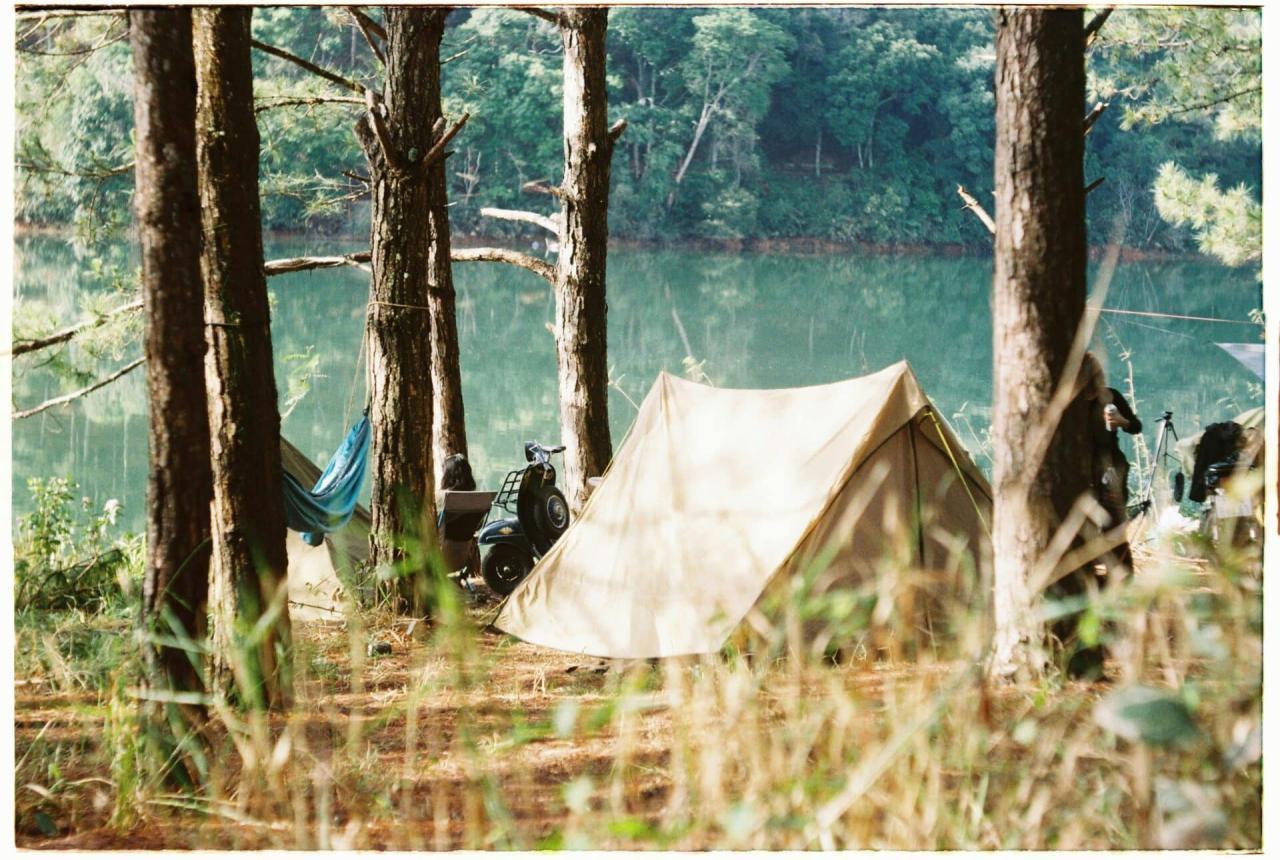
Enjoying a comfortable camping trip relies heavily on staying warm and dry, especially during the cooler months. Effective strategies for managing these elements are crucial for a pleasant and safe experience. Proper preparation and the right gear can significantly enhance the overall enjoyment of your camping adventure.
Layering for Warmth and Comfort
Maintaining a comfortable temperature throughout varying weather conditions is essential. Layering clothing is a highly effective technique for regulating body heat. Starting with a moisture-wicking base layer next to the skin helps draw perspiration away from the body, preventing chills. A mid-layer, like a fleece jacket or sweater, provides additional warmth. A waterproof and windproof outer layer protects against the elements.
This layered approach allows for adjusting to changing temperatures and conditions.
Affordable Warmth and Dryness
Finding affordable ways to stay warm and dry during colder months is achievable. Consider buying or borrowing used, quality gear from friends or online marketplaces. Used gear can often be a cost-effective alternative to purchasing new items. Look for gear that’s well-maintained and in good condition. Alternatively, you can find effective insulation materials such as wool blankets, old sweaters, or even thermal bags that can be utilized as additional layers.
Secondhand or recycled materials are excellent options to create your own insulated bedding. Additionally, explore options like sleeping bags rated for the expected temperature range and use multiple sleeping bags if necessary.
Creating Affordable Insulation and Protection
Creating or identifying affordable insulation and protection from the elements is a critical aspect of budget-friendly camping. Consider using natural materials like leaves, pine boughs, or even old blankets to create a natural barrier between you and the ground. These materials can effectively insulate you from the cold ground and provide an added layer of comfort. Investing in a tarp or a simple waterproof ground sheet can be extremely helpful to prevent moisture from penetrating your sleeping area.
Importance of Ventilation
Proper ventilation is crucial to prevent overheating and moisture buildup. Ensure your tent has adequate ventilation to allow for airflow. Overheating can be just as uncomfortable as freezing. If your tent doesn’t have sufficient ventilation, consider adding ventilation options or using vents to regulate temperature and prevent moisture accumulation.
Affordable Waterproofing Options
Several affordable options are available for waterproofing gear and clothing. Silicone-based sprays are often cost-effective and can be used to waterproof tents, backpacks, and clothing. Additionally, consider using a good quality waterproof bag for storing electronics or other sensitive items. Improvised solutions, like using a plastic bag over your shoes or using wax-based products to treat your clothing, are also great options.
Repairing existing gear with waterproof patches is a sustainable and budget-friendly approach.
Minimizing Campsite Costs
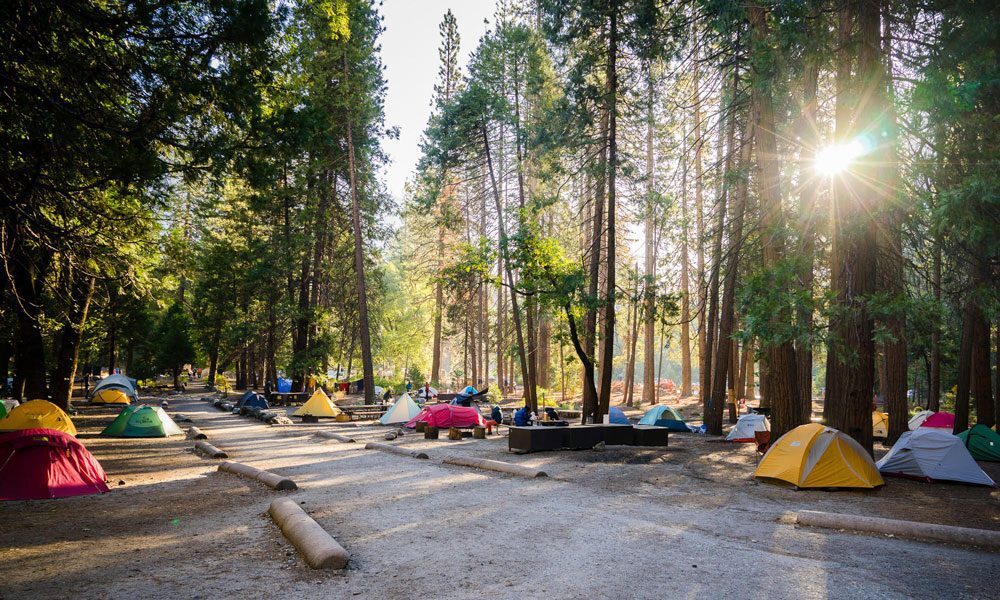
Camping can be an incredibly enjoyable experience, but it’s important to plan strategically to keep costs down. Careful budgeting and resourceful planning can significantly reduce expenses, allowing you to enjoy the outdoors without breaking the bank. This section explores various methods for minimizing camping fees, fuel expenses, and other campsite amenities, emphasizing the importance of planning and resourcefulness.Effective planning is key to a successful and budget-conscious camping trip.
Understanding potential costs beforehand, including fees, fuel, and amenities, allows for proactive budgeting and minimizes surprises. This approach ensures that your camping adventure remains within your financial comfort zone.
Camping Fee Minimization Strategies
Careful selection of campsites can lead to significant cost savings. Many campgrounds offer different types of campsites with varying fees. Understanding these options and choosing the most appropriate one for your needs is crucial. Consider booking campsites in advance, especially during peak seasons, to secure better rates and avoid last-minute price hikes. Some campgrounds offer discounts for members of particular organizations or groups, and checking for these discounts can save you money.
Also, consider exploring campgrounds that are further from major tourist destinations, as these often have lower fees.
Fuel Cost Optimization
Minimizing fuel costs is another critical aspect of budget-conscious camping. Driving to and from your campsite accounts for a significant portion of the overall cost. Whenever possible, consider using public transportation, carpooling with friends, or cycling. These options can drastically reduce your fuel consumption and expenses. Additionally, plan your route strategically to avoid unnecessary detours and optimize mileage.
When driving, consider the efficiency of your vehicle and the cost of fuel in different regions.
Strategic Utilization of Campsite Amenities
Camping amenities can contribute significantly to the cost of a trip. A good strategy involves evaluating the necessity of certain amenities. For example, if you are proficient at cooking and have your own equipment, the need for a campground’s kitchen facilities might be reduced, leading to savings. Some campgrounds offer shared amenities, like restrooms and showers. If your campsite provides these, you can potentially save on personal expenses related to these services.
When possible, consider using the amenities provided at your campsite to avoid purchasing unnecessary items.
Discount and Deal Acquisition
Finding discounts and deals on camping equipment and experiences can greatly reduce expenses. Consider purchasing used gear from online marketplaces, consignment shops, or friends. Look for discounts on campsites or gear from camping retailers or online platforms. Join camping clubs or communities to gain access to exclusive discounts or deals. Checking for promotional offers and coupon codes for campsites and equipment can save you money.
Public Transportation and Carpooling
Public transportation and carpooling can significantly reduce fuel costs and environmental impact. Research public transportation options to and from your campsite. Carpooling with friends or family can be a cost-effective and environmentally friendly way to travel to your campsite. This method can reduce your individual costs while promoting camaraderie and sharing the journey. Consider the practicality of these options in relation to your destination and travel time.
Outcome Summary
In conclusion, camping on a budget doesn’t mean sacrificing comfort or experience. By carefully choosing gear, selecting affordable destinations, and implementing practical tips for campsite management and meal preparation, you can enjoy a memorable and budget-conscious camping trip. This guide equips you with the knowledge and strategies to maximize your camping enjoyment while minimizing costs, ensuring your next adventure is both fulfilling and financially responsible.