Embark on a journey to unparalleled camping comfort with this comprehensive guide on selecting and utilizing a comfortable camping cot. From understanding the various types to optimizing setup and maintenance, this guide will equip you with the knowledge to ensure a restful and enjoyable outdoor experience.
This guide provides a detailed overview of choosing the right camping cot, covering factors such as size, weight, material, and features. It also delves into essential setup and maintenance procedures, as well as troubleshooting common issues. Ultimately, we aim to help you select the perfect cot and maximize your camping comfort.
Introduction to Camping Cots

A comfortable camping experience hinges significantly on a good night’s sleep. A well-chosen camping cot plays a crucial role in achieving this. It elevates the overall enjoyment of your outdoor adventure by providing a supportive and stable surface for rest, reducing the discomfort associated with sleeping directly on the ground. This is especially important for longer camping trips or when dealing with uneven terrain.Camping cots come in various forms, each with its own set of advantages and disadvantages.
Understanding these differences is key to selecting the right cot for your needs. Whether you prioritize portability, durability, or budget-friendliness, a comprehensive understanding of the available options is essential.
Types of Camping Cots
Camping cots are broadly categorized into inflatable, folding, and wooden cots. Each type possesses unique characteristics that cater to specific preferences and requirements. Inflatable cots are often lightweight and easy to pack, while folding cots are known for their compact storage and versatility. Wooden cots, often featuring a more substantial build, offer a robust and stable platform for a more traditional camping experience.
Factors to Consider When Choosing a Camping Cot
Several key factors should guide your decision when selecting a camping cot. These include the cot’s weight and portability, its stability and comfort, its durability and resistance to damage, and the price point. The size and weight of the cot are critical considerations, especially for those planning to carry it over long distances or transport it in vehicles with limited space.
A cot that is too heavy or cumbersome can detract from the enjoyment of your trip. Similarly, a cot that lacks stability can lead to discomfort and a restless night. Consider the type of terrain you’ll be camping on, as well as the intended duration of your stay.
Benefits of Using a Camping Cot
The benefits of using a camping cot are numerous compared to sleeping directly on the ground. A cot provides a firm and supportive surface, reducing the risk of back pain and muscle soreness. It also elevates you off the ground, which can help protect you from the dampness of the soil or the cold of the ground. Additionally, sleeping on a cot can minimize exposure to insects and other ground-dwelling creatures.
Finally, it offers a greater degree of comfort and privacy, particularly important when camping with others.
Comparison of Camping Cot Types
| Cot Type | Features | Weight | Price |
|---|---|---|---|
| Inflatable | Lightweight, compact, easy to inflate and deflate, often comes with a carrying bag | Generally lightweight | Moderate to lower price range |
| Folding | Compact storage, often adjustable height, usually made of aluminum or steel | Medium weight | Moderate price range |
| Wooden | Robust and durable, provides a solid sleeping surface, often has a higher price tag | Heavier | Higher price range |
Consider your priorities when choosing a camping cot. A lightweight, portable inflatable cot is ideal for backpackers, while a more substantial wooden cot might be preferable for a longer, more settled camping trip.
Setting Up and Maintaining a Camping Cot
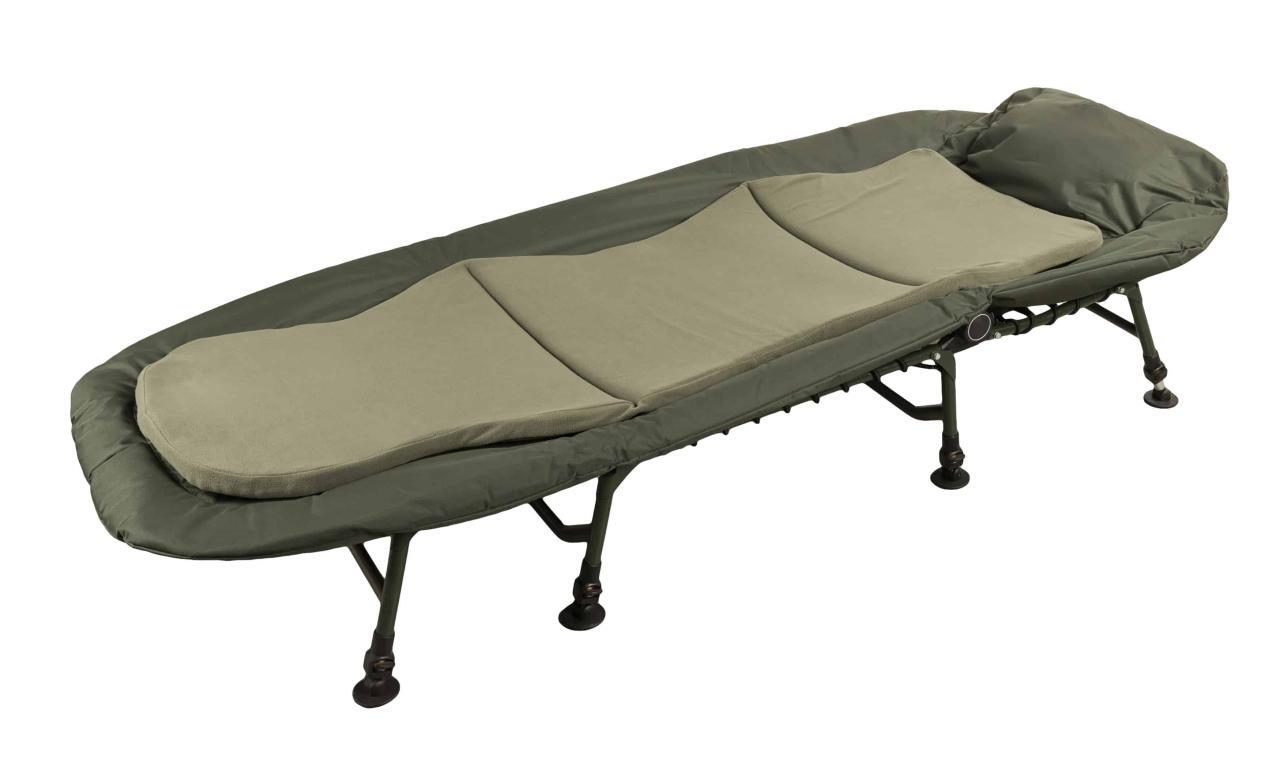
Proper setup and maintenance are crucial for a comfortable and safe camping experience. A well-maintained camping cot ensures a good night’s rest and extends the lifespan of your investment. Knowing how to set up, secure, and maintain your cot is essential for a positive camping trip.Setting up a camping cot correctly is paramount to both comfort and safety.
Improper assembly can lead to instability, discomfort, or even injury. Likewise, understanding how to pack and store the cot effectively protects it from damage and ensures its readiness for future trips.
Proper Setup Procedure
Correctly assembling a camping cot is vital for a comfortable and safe experience. Carefully following the manufacturer’s instructions is essential for avoiding potential issues. Each cot model may have slightly different assembly steps.
- Begin by inspecting all components for any signs of damage. Any pre-existing damage should be noted before assembly.
- Carefully lay out all the cot parts on a flat surface.
- Follow the instructions in the user manual or on the packaging. These instructions will guide you through the assembly process step-by-step.
- Ensure all joints are securely fastened. Proper tightening is critical for stability.
- Once assembled, test the cot’s stability by gently pushing and pulling on different parts. This will help identify any potential issues before use.
Ensuring Proper Assembly and Security
Thorough assembly is critical to prevent instability and potential injury during use. Double-checking the assembly process ensures a stable and safe cot.
- Verify that all connection points are correctly aligned and securely fastened. Use the appropriate tools and techniques to ensure the cot is properly assembled.
- Check for any loose or misaligned parts. Correct any issues immediately.
- Ensure the cot legs are firmly planted on a level surface. Uneven ground can cause instability. Consider using a leveling tool or strategically placing the cot on stable ground.
Damage Inspection Before Use
Pre-use inspection is a vital safety step. Inspecting the cot for any pre-existing damage prevents potential hazards and ensures a safe and enjoyable camping experience.
- Visually inspect all parts of the cot for any signs of damage, such as cracks, bends, or loose connections.
- Examine the frame and legs for any damage or wear and tear. Ensure the frame is structurally sound.
- Check the fabric or material for any rips, tears, or damage. If any damage is found, do not use the cot.
Folding and Packing Procedure
Efficiently folding and packing a camping cot protects it from damage during transportation and ensures its readiness for future trips.
- Follow the specific instructions for folding the cot as Artikeld in the manufacturer’s guide.
- Carefully fold each part according to the instructions, ensuring the cot is compacted for easy transport.
- Use the provided storage bag or a suitable alternative to wrap the folded cot, protecting it from external damage and dirt.
Maintaining the Cot for Longevity
Proper care and maintenance are crucial for prolonging the lifespan of a camping cot.
- Store the cot in a dry and clean location. Moisture and humidity can lead to rust and damage.
- Avoid storing the cot in direct sunlight for extended periods. Prolonged exposure to sunlight can fade or damage the material.
- Regularly clean the cot to remove dirt, debris, and moisture. This helps maintain the cot’s functionality and appearance.
Cleaning and Storage
Regular cleaning and proper storage are vital to maintain a camping cot’s condition and functionality. Cleaning prevents the accumulation of dirt and debris, while proper storage protects it from damage and extends its lifespan.
- Clean the cot using a soft brush or cloth with mild detergent and water. Avoid harsh chemicals or abrasive cleaners that may damage the material.
- Allow the cot to dry completely before storing. Moisture can cause mildew and damage.
- Store the cot in a cool, dry place, away from direct sunlight and moisture.
Assembly and Disassembly Steps for Different Cot Models
The following table illustrates the steps involved in assembling and disassembling different cot models. Note that specific steps may vary based on the manufacturer and model.
| Cot Model | Assembly Steps | Disassembly Steps |
|---|---|---|
| Model A | 1. Extend legs; 2. Connect frame; 3. Attach mattress | 1. Release mattress; 2. Separate frame; 3. Fold legs |
| Model B | 1. Open frame; 2. Attach legs; 3. Secure mattress | 1. Remove mattress; 2. Detach legs; 3. Close frame |
| Model C | 1. Extend frame; 2. Lock joints; 3. Insert mattress | 1. Remove mattress; 2. Unlock joints; 3. Fold frame |
Troubleshooting Common Camping Cot Issues

Proper maintenance and understanding of potential problems are crucial for ensuring a comfortable and safe camping experience. Knowing how to address minor issues yourself can save time and frustration, while recognizing when professional help is needed is equally important. This section details common problems with camping cots, their solutions, and preventive measures.Troubleshooting camping cot issues often involves identifying the root cause of the problem, which might be due to improper setup, wear and tear, or external factors.
Careful inspection and following recommended maintenance practices can significantly reduce the likelihood of encountering issues during your camping trips.
Identifying Potential Problems
Camping cots, like any other piece of equipment, can experience various issues. These issues can range from minor inconveniences to more serious problems that may affect the stability or structural integrity of the cot. Potential problems include loose or broken cot legs, damaged frame parts, uneven surfaces, and issues with the cot’s fabric or zippers. Proper inspection after each use and regular maintenance can help identify and address these issues proactively.
Addressing Collapsed Legs
Loose or broken cot legs are a common problem. Loose legs might be a result of the cot being knocked over or from the cot not being secured properly during transport. A loose leg can lead to instability and make the cot unsafe to use. To resolve this, tighten the connecting hardware, or if the issue persists, replace the damaged part.
If the leg is broken, the cot is likely damaged beyond repair and replacement is necessary.
Dealing with Damaged Frame Parts
Damage to the cot’s frame can occur due to impacts or prolonged use. Common types of damage include bent or broken support bars, damaged joints, and scratches on the frame. These damages may cause the cot to sag or lose its structural integrity. Depending on the severity of the damage, repairs might be possible with appropriate tools and materials.
In some cases, a replacement part might be required or the cot may need to be replaced entirely.
Repairing Minor Damages
Small damages like scratches or minor bends can sometimes be repaired. For instance, scratches on the cot frame can be addressed with a touch-up paint or sealant. Minor bends in support bars might be corrected using specialized tools and techniques. Always consult the manufacturer’s instructions for specific repair guidance. Avoid attempting repairs that are beyond your capabilities, as improper repair can worsen the problem.
Preventive Measures
Preventing cot issues is often more effective than addressing them later. Always store the cot in a clean, dry place to protect it from moisture and dust. Handle the cot carefully during transport and setup to avoid accidental damage. Inspect the cot for any signs of wear and tear after each use. Regular maintenance, such as cleaning and lubricating moving parts, will significantly extend the lifespan of your cot.
Contacting the Manufacturer
For serious structural damage, contact the manufacturer or a qualified repair technician. The manufacturer will have the most accurate and up-to-date information on repair procedures and part availability. Attempting to repair complex or severe damage without proper guidance can be detrimental to the cot’s functionality and safety. In cases where the damage is extensive or the cot is beyond repair, replacement is usually the best course of action.
Table of Common Cot Problems and Solutions
| Problem | Solution |
|---|---|
| Loose cot legs | Tighten connecting hardware; replace damaged part if necessary. |
| Broken cot legs | Replace the cot. |
| Damaged frame parts | Repair with appropriate tools and materials; or replace part if necessary. |
| Uneven surfaces | Level the cot’s setup area; inspect cot legs for stability issues. |
| Fabric or zipper damage | Contact the manufacturer for guidance on repairs or replacement. |
Summary
In conclusion, choosing the right camping cot is crucial for a pleasant camping experience. This guide has provided a thorough exploration of cot selection, setup, use, and troubleshooting. By considering the factors discussed and following the provided advice, you can ensure a comfortable and memorable camping trip. Enjoy the outdoors!