Shoulder season camping offers a unique blend of pleasant weather and fewer crowds, making it an ideal time to enjoy the outdoors. This guide provides a comprehensive approach to planning and executing comfortable shoulder season camping trips, from selecting the right gear to managing potential weather challenges. Understanding the nuances of this transitional period is key to maximizing your outdoor experience.
This comprehensive guide covers essential gear selection, trip planning, campsite setup in various weather conditions, maintaining warmth and dryness, adapting your cooking and food strategies, safety and preparedness measures, and responsible Leave No Trace practices. Each aspect is meticulously detailed to ensure a seamless and enjoyable experience.
Choosing the Right Gear for Shoulder Season Camping
Shoulder season camping, encompassing the transition periods between summer and winter, presents unique challenges and opportunities. Understanding the fluctuating temperatures and weather patterns is crucial for selecting the right gear. Proper preparation allows for a comfortable and enjoyable experience, maximizing the potential of these often overlooked seasons.Selecting the right gear for shoulder season camping requires careful consideration of the anticipated weather conditions.
The key is to choose gear that provides adequate warmth and protection against potential precipitation without being overly cumbersome or restrictive. This involves a nuanced approach that balances versatility with practicality.
Essential Gear Items
Careful selection of gear is paramount for a successful shoulder season camping trip. The right gear will keep you comfortable and safe in the unpredictable conditions.
- Shelter: A lightweight, waterproof tent is essential. Consider a three-season tent with reinforced seams and a durable waterproof rainfly. These tents are designed to withstand occasional rain and moderate winds, a common characteristic of shoulder seasons. Avoid overly bulky tents, as they can be cumbersome to transport and set up in changing conditions.
- Clothing: Layering is key to managing fluctuating temperatures. Moisture-wicking base layers, insulated mid-layers, and a waterproof, windproof outer shell are vital. Avoid cotton, which retains moisture and can lead to discomfort. Instead, choose synthetic or merino wool materials that dry quickly and regulate body temperature effectively.
- Cooking: A lightweight and efficient stove system, along with appropriate cookware, is necessary. Choose materials that are resistant to damage and easy to clean. Consider a portable cooler for storing perishable food items, and ensure sufficient fuel for the stove.
- Sleeping System: A sleeping bag rated for the expected temperature range is essential. Look for features such as a draft collar and a waterproof lining to maximize warmth and dryness. A comfortable sleeping pad adds insulation and prevents cold from transferring from the ground to the body.
- Navigation and Safety: A map, compass, and GPS device, or a smartphone with offline maps, can be crucial in case of unexpected changes in weather or route. A first-aid kit, headlamp, and extra batteries are vital for safety and comfort.
Material and Construction Differences
Gear designed for shoulder season camping often incorporates features that optimize performance in variable conditions. Compared to summer gear, it typically offers more warmth and protection from light precipitation. Unlike winter gear, shoulder season gear prioritizes versatility and packability.
- Shelter: Three-season tents are typically made from lighter-weight, yet durable, materials compared to four-season tents. The waterproof rainfly is crucial for maintaining dryness. Reinforced seams and high-quality zippers are essential for resisting moisture.
- Clothing: Shoulder season clothing often features insulated materials like synthetic or down. These materials provide warmth without excessive bulk. The materials are typically moisture-wicking to prevent moisture buildup, and the design incorporates features to minimize wind penetration and maximize breathability.
- Sleeping System: Sleeping bags are rated for specific temperature ranges, reflecting the expected temperature fluctuations during shoulder seasons. Insulation and warmth are essential factors.
Importance of Layering Clothing Systems
Shoulder season camping frequently involves significant temperature fluctuations throughout the day. Layering clothing allows for adjusting to these changes effectively.
- Base Layers: These layers wick away moisture, keeping you dry and comfortable. Moisture-wicking synthetic or merino wool materials are recommended.
- Mid Layers: These layers provide insulation, adding warmth as needed. Insulated fleece or down jackets are suitable options.
- Outer Layers: These layers provide protection from wind and rain. A waterproof, windproof jacket and pants are essential.
Tent Comparison Table
Choosing the right tent for shoulder season camping depends on several factors, including weight, water resistance, and price. The following table provides a comparative overview.
| Tent Type | Weight (lbs) | Water Resistance (mm) | Price ($) |
|---|---|---|---|
| Lightweight 3-Season Tent | 6-8 | 10,000-20,000 | $150-300 |
| Mid-Range 3-Season Tent | 8-12 | 20,000+ | $250-500 |
| Premium 3-Season Tent | 10-15 | 25,000+ | $350-800 |
Packing Light While Maintaining Preparedness
Packing light while ensuring adequate preparedness is a crucial aspect of shoulder season camping.
- Prioritize Essentials: Focus on items that are truly necessary for your trip. Leave behind items that are not crucial for comfort or safety.
- Choose Versatile Gear: Select gear that can perform multiple functions. For example, a multi-tool can replace several smaller tools.
- Pack Strategically: Use packing cubes or compression sacks to maximize space and minimize bulk. Organize your gear to make it easy to find items when needed.
- Consider the Weather Forecast: Pack extra layers of clothing, a waterproof jacket, and appropriate footwear, based on the predicted weather conditions.
Planning Your Shoulder Season Trip
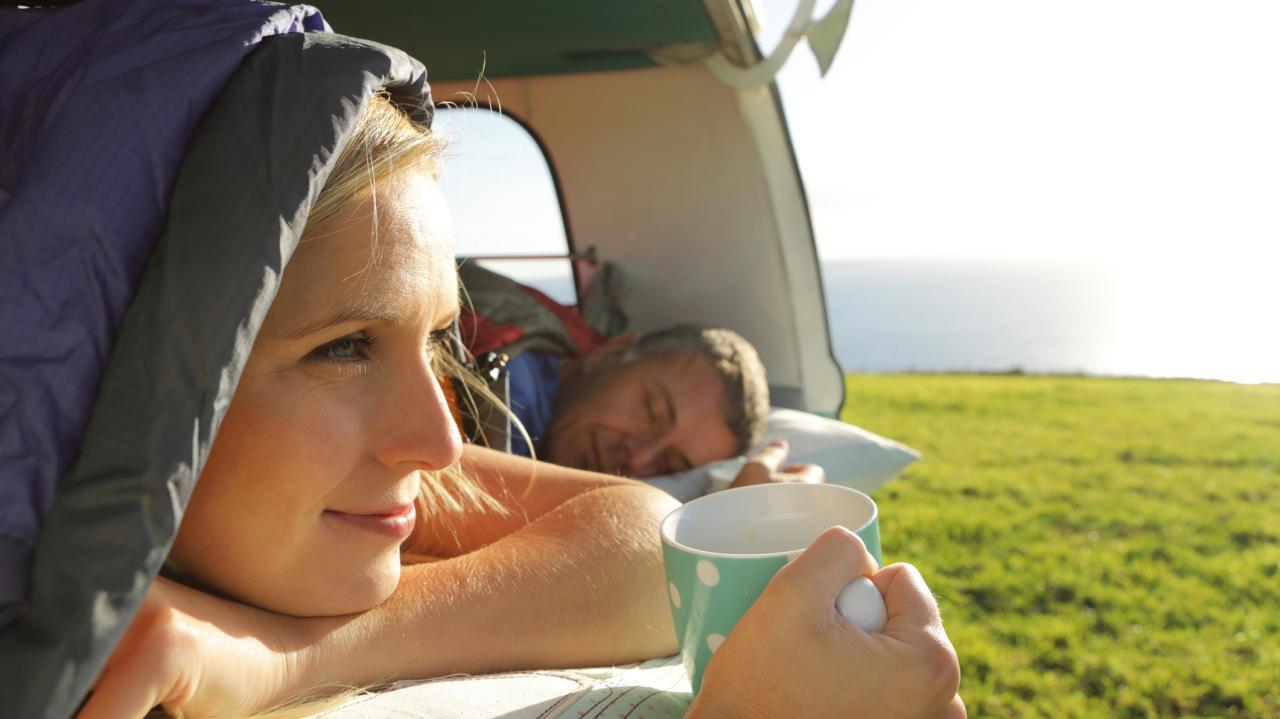
Shoulder season camping offers a delightful balance between pleasant weather and fewer crowds compared to peak summer or fall. Strategic planning is crucial for maximizing comfort and enjoyment during these transitional periods. Understanding the optimal timeframe, choosing suitable campsites, and mitigating potential weather risks are key aspects of a successful shoulder season adventure.Selecting the right time for your shoulder season camping trip hinges on the specific region and the desired experience.
For instance, spring shoulder season often boasts milder temperatures and blooming wildflowers, while fall shoulder season often brings crisp air and vibrant foliage. Understanding the typical weather patterns for your chosen location is vital to ensure a comfortable trip.
Ideal Timeframes for Shoulder Season Camping
Shoulder season camping typically falls between spring and fall. Specific timeframes vary depending on regional climate patterns. Spring shoulder season often begins in late spring, after the last chance of significant frost or snow and extends into the beginning of summer. Fall shoulder season starts after the peak summer heat and before the onset of winter. The optimal timeframe for your trip will depend on factors such as desired temperatures, anticipated crowds, and local events.
Strategies for Selecting Campsites
Securing a comfortable and secluded campsite is essential for a positive shoulder season camping experience. Look for campsites with features like shaded areas, proximity to water sources, and good drainage. Consider campsites that offer a balance between privacy and access to amenities. This will allow for a peaceful and enjoyable stay.
Factors to Consider When Choosing a Campsite Location
Several factors influence the suitability of a campsite during shoulder season. Consider the proximity to amenities like restrooms, potable water, and firewood. Evaluate the campsite’s terrain for potential challenges, such as steep slopes or rocky areas. Check the campsite’s proximity to trails or attractions to ensure convenient access to activities. Also, evaluate the campsite’s natural surroundings to determine if it provides the seclusion or views you desire.
Minimizing the Risk of Inclement Weather
Shoulder season weather can be unpredictable. To minimize the risk of inclement weather, consider bringing layers of clothing. Check the weather forecast before and during your trip, and be prepared for sudden changes. Pack waterproof gear, including a tent footprint, rain gear, and extra blankets. Knowing the area’s typical weather patterns for the season can greatly enhance your preparedness.
Researching and Booking Campsites in Advance
Popular campsites often book up quickly during shoulder season. To secure your desired location, research available campsites in advance. Use online resources, such as campground reservation websites or park websites, to find suitable options. Book your campsite well in advance, especially for popular destinations. Confirm reservation details to avoid any last-minute surprises.
Setting Up Camp in Changing Weather
Shoulder season camping offers a delightful balance of pleasant temperatures and fewer crowds, but it also introduces the possibility of unpredictable weather. Preparing for these variations is crucial for a comfortable and enjoyable experience. Understanding how to adapt your setup to varying conditions, from light rain to strong winds, ensures a safe and successful trip.
Choosing a Suitable Campsite Location
Selecting a campsite location that minimizes exposure to wind, rain, and other elements is paramount. Look for areas sheltered by natural barriers such as trees, hills, or rock outcroppings. Avoid low-lying areas that might collect water during a downpour. Consider the prevailing wind direction and select a site that offers some protection from its force. A site with a gentle slope can also aid in drainage, preventing water accumulation around your tent.
The topography of the campsite significantly impacts the comfort and safety of your setup.
Securing Your Gear and Campsite
Securing your gear and campsite against unpredictable weather is critical for a successful shoulder season trip. Use stakes that are appropriate for the soil type and consider using extra guylines to anchor your tent firmly during high winds. Tarping or covering vulnerable equipment like electronics or food supplies is essential. Heavy-duty waterproof bags can protect sensitive items from rain and moisture.
Properly anchoring your tent and storing your gear appropriately minimizes the risk of damage and inconvenience.
Shelter Options for Shoulder Season
Various shelter options cater to different shoulder season conditions. Tents, particularly those with reinforced waterproofing and good ventilation, offer a portable solution. Pop-up cabins, with their inherent structural integrity, can provide a more robust and comfortable option. Consider the anticipated weather conditions when making your choice. A lightweight, waterproof tent may be preferable for sporadic showers, while a more substantial shelter might be better suited for extended periods of rain or wind.
The durability and weather resistance of the shelter should be matched with the expected weather conditions.
Managing Moisture and Humidity
Managing moisture and humidity within the campsite is key to preventing dampness and mold. Maintain proper ventilation within your tent or cabin to prevent condensation buildup. Keep sleeping bags and other gear dry. Storing wet clothing or gear in a dedicated, waterproof container away from your sleeping area can prevent moisture from spreading. Utilizing moisture-wicking materials for clothing and bedding can further minimize moisture buildup.
Understanding how to manage moisture is crucial for comfort and preventing potential health issues.
Examples of Setting Up Camp in Different Conditions
| Weather Condition | Campsite Selection | Gear Security | Shelter Choice | Moisture Management |
|---|---|---|---|---|
| Light Rain | Area sheltered by trees, elevated from low-lying areas. | Use extra guylines and stakes. Cover vulnerable equipment with tarps. | Waterproof tent with good ventilation. | Ventilate the tent, keep wet clothes separate, use moisture-wicking materials. |
| Strong Winds | Site protected by natural barriers, away from exposed ridges. | Use extra stakes and guylines, secure gear tightly. | Robust shelter with strong anchoring points. | Ensure proper ventilation to avoid condensation. |
| Cool Nights with Potential for Dew | Site with good drainage, avoid low spots. | Use waterproof bags to protect gear. | Tent with adequate ventilation and a groundsheet. | Keep sleeping bags and other gear dry, use moisture-wicking materials. |
Staying Warm and Dry
Shoulder season camping presents a unique challenge: fluctuating temperatures and unpredictable weather. Successfully navigating these conditions requires proactive measures to stay both warm and dry. Understanding the interplay between clothing layers, insulation, and tent management is key to a comfortable and enjoyable experience.Maintaining a comfortable internal temperature is crucial for a positive shoulder season camping trip. This often involves strategically utilizing layers of clothing and appropriate insulation to counter the changing external temperatures.
Proper moisture management, both within your gear and your personal clothing, is equally important to avoid discomfort and potential health issues.
Maintaining Warmth in Cool Evenings
Effective warmth management involves a multi-layered approach to clothing. Layering allows for adaptable responses to temperature fluctuations, ensuring a consistent body temperature regardless of the external conditions. Start with a moisture-wicking base layer to draw sweat away from the skin. Add a mid-layer for insulation, such as fleece or wool. A waterproof and windproof outer layer completes the system, protecting against the elements.
Preventing Moisture Buildup
Moisture buildup in gear and clothing is a significant threat to comfort during shoulder season. Dampness can lead to chilling, discomfort, and potential health issues. Choosing moisture-wicking fabrics for base layers is essential to prevent sweat from accumulating. Regularly checking and airing out gear, particularly tents and sleeping bags, is vital. Use waterproof and breathable materials for outer layers to prevent the penetration of water.
Using Insulation Layers
Insulation layers play a crucial role in maintaining body temperature. They trap a layer of warm air around the body, providing a barrier against the cold. Synthetic insulation, like fleece or PrimaLoft, is lightweight and packs well. Natural insulation, such as wool or down, offers excellent warmth but may be bulkier. Choosing the appropriate insulation for the expected temperature range is critical.
Warm Clothing Items and Layering
Proper layering is essential for regulating body temperature in variable shoulder season weather. A comprehensive layering system includes a base layer, a mid-layer, and an outer layer.
- Base Layer: Moisture-wicking fabrics, such as merino wool or synthetic materials, are essential for drawing sweat away from the skin, preventing chills. A moisture-wicking base layer should be made of a breathable material to allow for sweat to escape and reduce moisture buildup.
- Mid-Layer: Fleece, wool, or synthetic insulation provides insulation. These layers are ideal for trapping warm air and effectively regulating body temperature.
- Outer Layer: A waterproof and windproof shell protects against rain and wind. A waterproof and breathable outer layer will shield against rain and wind, and allow moisture to escape. This is crucial for maintaining comfort during potentially wet conditions.
Managing Moisture and Humidity Inside Your Tent
Managing moisture inside your tent is vital to preventing condensation and maintaining a comfortable sleeping environment. Proper ventilation is key. Establish good airflow to prevent moisture buildup and allow the tent to dry. Consider using a moisture absorber inside your tent, such as silica gel packets or specialized moisture-absorbing materials. Maintaining proper ventilation and using appropriate materials will significantly reduce the chances of condensation and mold growth.
Food and Cooking Considerations
Shoulder season camping offers a delightful blend of pleasant weather and stunning scenery. However, the fluctuating temperatures and potential for unpredictable weather necessitate careful consideration of your food and cooking strategies. Adapting to these conditions ensures a comfortable and enjoyable experience.Planning your meals and equipment beforehand is crucial for a successful shoulder season camping trip. The variable weather conditions require adaptability in cooking methods, equipment choices, and food preservation techniques.
This section will detail how to choose the right equipment, adapt cooking strategies, and ensure your food stays fresh throughout your trip.
Adapting Cooking Strategies to Changing Weather
Variable weather conditions necessitate adjustments to cooking methods. In warmer shoulder season days, cooking over a campfire can be perfectly suitable. However, cooler evenings may require using a portable stove for faster and more efficient heat. Using a combination of methods, such as using a portable stovetop for boiling water for coffee or oatmeal while the campfire is used for cooking larger items, is a suitable approach.
Choosing Appropriate Cooking Equipment and Fuel Sources
Selecting the right equipment is essential for successful shoulder season camping. Consider a portable stove, preferably with multiple burner options, to accommodate changing weather conditions and cooking needs. Fuel sources are also crucial. Lightweight fuel canisters are ideal for stoves, offering reliable heat without the bulk of firewood. Ensure you have sufficient fuel for the duration of your trip.
Consider the type of fuel (e.g., propane, butane) and its availability in your camping area. In addition, a well-maintained and clean stove ensures optimal performance.
Food Preservation Strategies for Shoulder Season
Proper food preservation is paramount in shoulder season camping. Maintaining food safety is crucial during these transitional periods. Utilizing airtight containers, coolers with ice packs, and employing proper food storage techniques can greatly reduce the risk of spoilage. Prioritize cooling hot foods as quickly as possible to prevent bacteria growth.
Recipes for Shoulder Season Camping Meals
Delicious and easy-to-prepare meals are key to a great shoulder season camping experience. The following are a few examples:
- One-Pot Pasta with Sausage and Veggies: Combine pasta, sausage, vegetables (like bell peppers and onions), and broth in a single pot. Simmer until the pasta is cooked and the flavors have melded. This is perfect for a cozy evening meal.
- Campfire Foil Packet Meals: Wrap seasoned chicken, vegetables, and potatoes in foil packets. Cook these over the campfire, allowing the flavors to mingle. This is a simple and satisfying option.
- Breakfast Burritos: Prepare scrambled eggs, cheese, and breakfast sausage. Wrap them in tortillas and cook on a griddle or skillet. This is a quick and filling breakfast.
Essential Cooking Supplies
Proper planning and preparation are key to ensuring a smooth and enjoyable cooking experience during your shoulder season camping trip.
| Item | Quantity | Purpose | Description |
|---|---|---|---|
| Portable Stove | 1 | Cooking | Lightweight and compact stove with multiple burner options for versatility. |
| Fuel Canisters | 2 | Fuel Source | Sufficient propane or butane fuel canisters for the duration of the trip. |
| Cooking Utensils (Spatula, Pot Holders, etc.) | Set | Cooking Aid | Essential cooking utensils for safe and effective cooking. |
| Cutting Board and Knife | 1 | Food Preparation | A sturdy cutting board and a sharp knife for preparing food. |
| Food Storage Containers | Several | Food Preservation | Airtight containers to keep food fresh and prevent spills. |
| Cooler with Ice Packs | 1 | Food Preservation | A well-insulated cooler to maintain the temperature of perishable items. |
| Camp Table | 1 | Cooking Surface | A stable and level camp table for a safe and convenient cooking area. |
Safety and Preparedness During Shoulder Season
Shoulder season camping offers a delightful balance of pleasant weather and fewer crowds, but it also presents unique safety challenges. Understanding potential hazards and proactively preparing for them is crucial for a safe and enjoyable experience. This section will Artikel essential safety considerations and preparedness measures specific to shoulder season camping.Shoulder season weather can be unpredictable, shifting from warm days to cool nights, and even potentially experiencing rain or storms.
A flexible approach to your itinerary and gear is essential. Understanding potential wildlife encounters and how to react appropriately can also contribute to a positive outcome.
Specific Safety Considerations for Shoulder Season
Shoulder season camping often brings a unique set of safety concerns. Be aware of potential hazards, such as shifting weather patterns, insect activity, and wildlife interactions. Appropriate preparation and awareness are key to minimizing risks.
Potential Hazards and Mitigation Strategies
- Changing Weather Patterns: Shoulder season is characterized by unpredictable weather. Storms, sudden temperature drops, and unexpected rain can quickly impact your comfort and safety. Having a contingency plan, including a backup shelter or a way to quickly seek shelter, is crucial. For example, bringing a waterproof tarp or poncho can make a significant difference during a sudden downpour.
- Insect Activity: Insect populations can fluctuate during shoulder season. Certain insects may be more prevalent than in the peak summer months. Utilize insect repellent and consider wearing protective clothing, such as long sleeves and pants, to minimize the risk of bites and stings.
- Wildlife Encounters: Animals are active throughout the year. Bear encounters are more common during shoulder season, as bears seek out food sources. Store food properly, and make noise while hiking to avoid surprising wildlife. Be aware of the specific wildlife in your chosen camping area and learn how to react appropriately to potential encounters. For instance, if you encounter a bear, avoid direct eye contact and slowly back away.
Emergency Preparedness Measures
Adequate emergency preparedness is vital for shoulder season camping. Having the right gear and supplies can be the difference between a minor inconvenience and a serious problem.
- Unforeseen Weather Conditions: Shoulder season weather is unpredictable. Have a plan in place for handling unexpected weather changes. This could involve packing extra layers of clothing, a waterproof tent, and emergency shelter options. Knowing the local weather forecast and having a reliable way to receive updates is important. For example, if a storm is approaching, you should seek shelter in a sturdy structure or a designated safe area.
- First-Aid Kit: A comprehensive first-aid kit is essential for any camping trip. This should include bandages, antiseptic wipes, pain relievers, and any personal medications. This will help manage minor injuries and illnesses. It’s also important to include blister treatment and any other remedies specific to your needs.
Adapting Your Itinerary and Activities to the Weather
Flexibility is key when adapting your camping itinerary and activities to the changing weather.
- Schedule Flexibility: Be prepared to adjust your plans based on the weather conditions. If a storm is anticipated, you might need to postpone certain activities or shorten your trip. For instance, if it is raining, you could opt to read a book or play cards instead of hiking.
- Activity Modification: Shoulder season weather can impact outdoor activities. If it’s cold, you might want to prioritize activities that can be done indoors or in sheltered areas. For example, if the temperature drops significantly, consider moving your planned campfire to a later time or even cancel it if it’s unsafe.
Potential Wildlife Encounters in Shoulder Seasons
Shoulder season is a time when wildlife activity can increase, as animals are more active and may be searching for food. Knowing how to react to potential encounters is critical for your safety.
- Awareness and Prevention: Be aware of your surroundings and maintain a safe distance from wildlife. Avoid approaching or feeding animals, and never approach a den or nest. Be mindful of the animal’s behavior and give them space.
- Bear Safety: Bear encounters are a serious concern in many areas. Store food properly, and never leave food unattended. Make noise while hiking to avoid surprising bears. If you encounter a bear, avoid direct eye contact and slowly back away. Have a plan for bear encounters that you can quickly execute.
Emergency Supplies and Their Importance
Having the right emergency supplies is essential for a safe and successful shoulder season camping trip.
| Emergency Supply | Importance |
|---|---|
| First-aid kit | Essential for treating minor injuries and illnesses. |
| Whistle | A crucial tool for signaling for help in emergencies. |
| Flashlight or headlamp | Provides light in low-visibility conditions or emergencies. |
| Extra batteries | Ensures your flashlight or headlamp remains functional. |
| Cell phone charger | Critical for communication and emergencies. |
| Navigation tools (map and compass) | Essential for finding your way if you get lost. |
| Fire starter | Crucial for starting a fire in case of emergency or to keep warm. |
Leave No Trace Practices for Shoulder Season Camping

Shoulder season camping offers a delightful balance of pleasant weather and fewer crowds, making it an ideal time to connect with nature. However, responsible stewardship is crucial during these periods. Respecting the environment is paramount, regardless of the time of year.Minimizing your environmental impact is vital during shoulder season, as the landscape may be more susceptible to damage due to fluctuating weather conditions.
This includes respecting wildlife, preserving natural resources, and leaving the campsite as pristine as you found it. These actions ensure the enjoyment of the outdoors for future generations.
Importance of Leave No Trace Principles
Leave No Trace principles are essential for preserving the natural beauty and ecological integrity of the campsite. Adhering to these guidelines helps protect fragile ecosystems, minimizes disturbance to wildlife, and ensures that the area remains pristine for future visitors. By following these practices, you contribute to the long-term health and sustainability of the environment.
Minimizing Environmental Impact
Minimizing your impact encompasses a range of actions, from proper waste management to responsible campfire practices. Careful planning and consideration for the environment are crucial for responsible outdoor recreation.
Waste Management and Trash Disposal
Proper waste management is a critical component of Leave No Trace principles. This involves diligently packing out all trash and waste generated during your stay. This practice ensures that the campsite remains clean and prevents the accumulation of litter, which can harm wildlife and degrade the aesthetic appeal of the area. Disposing of waste responsibly also reduces the risk of water contamination and other environmental hazards.
Proper Trash Packing Out
Packing out all trash is essential for maintaining a pristine campsite. This involves careful packaging and labeling of waste to prevent spills and ensure that all materials are contained. Carrying designated trash bags and containers for different waste types is also highly recommended. Ensure that the trash is securely sealed in your vehicle to prevent leakage and litter along the way.
Reducing Environmental Impact
- Respect Wildlife: Avoid approaching or feeding wildlife. Observe them from a distance, maintaining a safe and respectful distance. Never attempt to handle or touch any wild animals.
- Minimize Campfire Impacts: Use existing fire rings or designated fire pits whenever possible. Completely extinguish campfires by soaking the embers with water until they are cold to the touch. Leave no trace of the fire other than the natural landscape. This practice reduces the risk of wildfires and prevents damage to the surrounding vegetation.
- Conserve Water: Be mindful of water usage, especially during shoulder seasons. Choose water-efficient methods for cleaning and cooking, such as using a water filter or purifying water from a reliable source.
- Conserve Energy: Utilize energy-efficient equipment, such as solar-powered devices, wherever possible. Minimize energy consumption during your camping trip.
- Leave the Area as You Found It: Pack out everything you pack in. Leave no evidence of your presence, such as food scraps, toiletries, or personal belongings. Ensure that you restore the campsite to its original condition.
Conclusion
In conclusion, successfully navigating shoulder season camping hinges on careful planning, appropriate gear, and a proactive approach to changing weather conditions. By following the tips and strategies Artikeld in this guide, you can transform your shoulder season excursions into unforgettable adventures, balancing comfort with responsible outdoor practices.