Embark on a journey to unparalleled camping comfort with a hammock! This comprehensive guide provides a detailed exploration of everything you need to know for a truly enjoyable and restful hammock camping experience. From selecting the perfect hammock to setting up a serene campsite, and enhancing your comfort with accessories, we’ll cover every crucial aspect.
Discover the secrets to transforming your camping adventures into a haven of relaxation and enjoyment. Learn how to choose the right hammock for your needs, create a stable and comfortable setup, and maximize your comfort with essential accessories and gear. This guide equips you with the knowledge and resources to create the ultimate hammock camping experience.
Choosing the Right Hammock
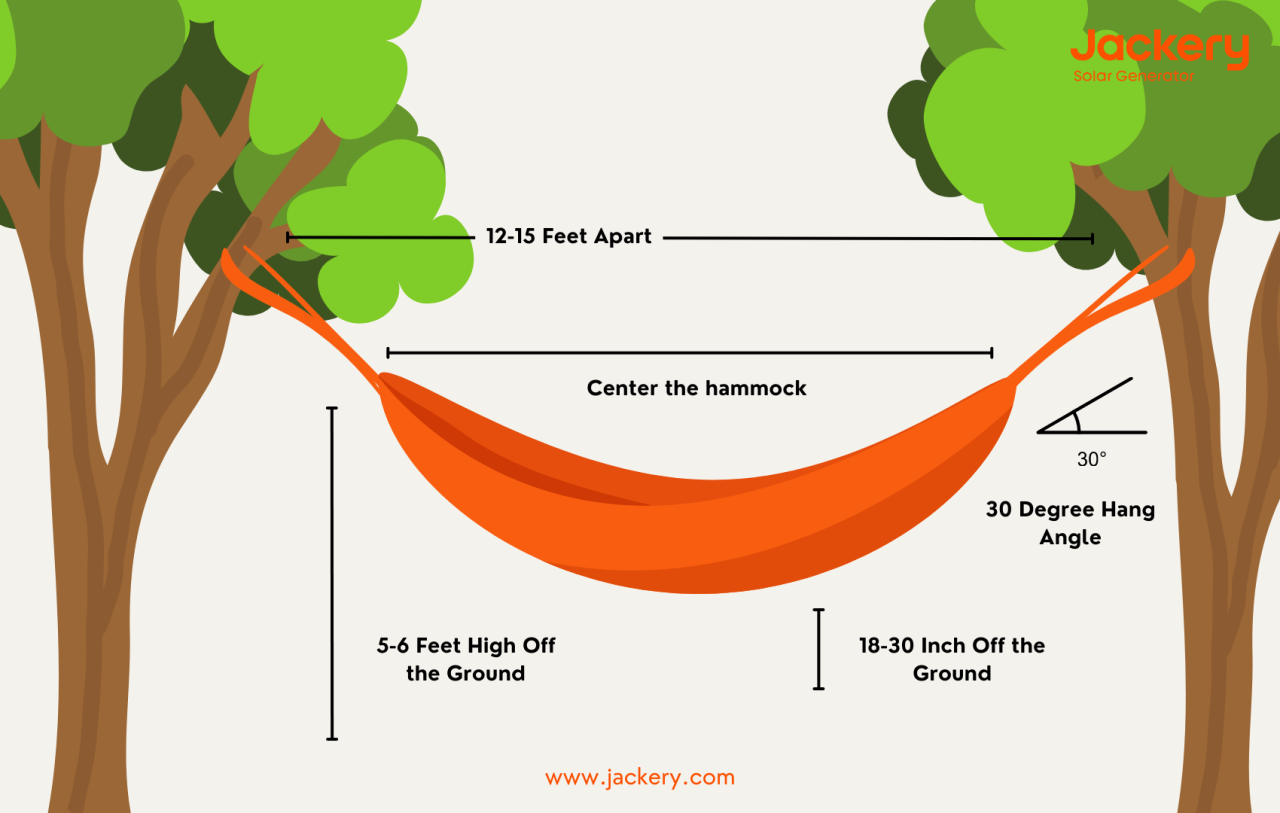
Selecting the appropriate hammock for your camping adventures is crucial for a comfortable and enjoyable experience. A well-chosen hammock will provide the support and stability you need to relax and unwind amidst nature. Consider factors like weight capacity, material, size, and suspension system to ensure a safe and satisfying camping experience.
Hammock Types
Different hammock types cater to varying preferences and needs. Understanding their unique characteristics is vital for selecting the ideal one.
- Single-Person Hammocks are designed for solo campers. They often feature a compact design and are lightweight, making them easy to transport and set up. These hammocks are generally more portable and suitable for smaller spaces, but might not provide the same level of comfort for two people.
- Double-Person Hammocks are explicitly designed for two people. They provide a larger surface area for both individuals to relax comfortably, while ensuring stability during use. These hammocks are usually heavier and bulkier compared to single-person hammocks, impacting portability.
- Camping Hammocks are specifically crafted for outdoor use. These hammocks are constructed with robust materials and are often equipped with features like sturdy suspension systems to handle the rigors of camping environments. They are often heavier than other types but provide excellent stability.
Weight Capacity and Material
Ensuring your chosen hammock can support your weight is paramount. Selecting a hammock with an adequate weight capacity prevents potential risks during use. Hammock materials significantly impact durability and comfort.
- Weight Capacity: Always choose a hammock with a weight capacity that exceeds your anticipated combined weight. This safety factor is essential for maintaining stability and preventing accidents. A hammock rated for 400 lbs can safely support individuals weighing up to 400 lbs. Exceeding the capacity can lead to hammock failure.
- Material Selection: Hammock materials vary significantly, affecting breathability, water resistance, and weight. A hammock made of breathable cotton might be more comfortable in warm weather, while nylon or polyester hammocks offer greater water resistance. Consider your climate and intended use when choosing a material.
Hammock Sizes and Comfort
Hammock size directly affects comfort levels. Choosing the right size ensures a pleasant experience during your camping trip.
- Size Variation: Hammocks come in various sizes, from compact models for solo campers to larger ones designed for couples. The length and width of the hammock play a role in how comfortable it is for a specific user.
- Comfort and Space: A hammock that’s too small can feel cramped, while a hammock that’s too large might feel unstable. Consider your body size and the intended use when selecting the appropriate size.
Suspension Systems
The suspension system significantly influences the hammock’s stability and comfort. Different designs provide varying degrees of support and relaxation.
- Single-Suspension Systems: These systems involve a single hammock suspension point, providing a relatively stable structure. However, it may not be as comfortable as double suspension systems, especially for heavier individuals.
- Double-Suspension Systems: Utilizing two suspension points, these systems distribute weight more evenly, enhancing stability and comfort. They are generally preferred for heavier individuals or those seeking a more relaxed experience.
- Spreader Bar Systems: Spreader bars provide enhanced stability and support, especially when used with larger hammocks. They are typically more rigid and provide a more secure base for use.
Material Comparison
Different hammock materials exhibit varying properties that influence comfort and durability. Understanding these differences is key to choosing the right material.
| Material | Breathability | Water Resistance | Weight |
|---|---|---|---|
| Cotton | High | Low | Medium |
| Nylon | Moderate | High | Light |
| Polyester | Low | High | Light |
Setting Up Your Hammock Campsite
A comfortable hammock camping experience hinges significantly on a well-prepared campsite. Careful site selection and proper setup are crucial for avoiding discomfort and potential hazards. This section will guide you through the process of choosing a suitable location and anchoring your hammock securely.A level and stable campsite is paramount for a relaxing hammock experience. Uneven ground can lead to uncomfortable swaying and strain on your body, especially during sleep.
The ground should be relatively flat to minimize these issues. Furthermore, a sturdy site is essential for withstanding any potential swaying or movement during wind or other environmental conditions.
Selecting a Level and Sturdy Campsite
A level and sturdy campsite is essential for a comfortable hammock setup. Uneven ground can cause discomfort and potentially lead to strain on your body. The ground should be as flat as possible to minimize swaying. Stability is equally crucial. The area should be free from large rocks, roots, or debris that could compromise the hammock’s stability.
Inspect the ground thoroughly before setting up your hammock to ensure its structural integrity and prevent potential hazards.
Anchoring Methods for Different Environments
Proper anchoring is crucial for a secure and comfortable hammock setup. The method used will depend on the camping environment and the available resources.
- Tree Anchoring: For campsites with suitable trees, using tree straps or carabiners is a common and effective method. Ensure the trees are strong enough to support the weight of the hammock and the user. Avoid trees that show signs of weakness or decay. Carefully position the straps to distribute the weight evenly. Inspect the tree for any potential hazards like branches or other obstacles.
- Stake Anchoring: In areas without suitable trees, stakes offer a reliable alternative. Choose sturdy stakes that are long enough to reach the ground firmly. Drive them into the ground at an angle, avoiding obstructions like rocks or roots. Ensure the stakes are positioned to offer sufficient support and are well-secured. Consider the type of soil and its ability to hold the stakes firmly.
- Ground Anchoring: For areas with minimal vegetation, ground anchors can provide a secure alternative. These anchors are designed to be buried in the ground and offer a strong hold for the hammock. Follow the manufacturer’s instructions carefully when installing ground anchors to ensure optimal support and prevent damage to the hammock or surroundings. These anchors often come with a variety of sizes and styles to meet the specific requirements of the camping site and hammock.
Securing the Hammock to Anchoring Points
Correctly securing the hammock to the anchoring points is critical for safety and comfort. The hammock should be attached firmly to the anchoring points to prevent swaying or movement during wind or other conditions. Follow the manufacturer’s instructions for your specific hammock. Avoid over-tightening the straps, as this could damage the hammock or the anchoring points.
Wind and Weather Considerations
Understanding and considering wind and weather conditions is vital for a safe and comfortable hammock setup. High winds can easily displace a hammock, leading to discomfort or injury. Locate a spot sheltered from prevailing winds. Adjust your setup to account for wind direction and intensity. If possible, consider using weatherproof coverings or tarps to protect the hammock from rain or snow.
Creating a Comfortable Setup in a Wooded Area
Setting up a hammock in a wooded area often requires a combination of methods. Trees are a common anchoring point, and it is vital to select trees that are strong enough to hold the hammock and the user’s weight. To create a level platform, use natural elements like flat rocks or fallen logs. These can provide a stable base for the hammock.
If necessary, consider using camping gear like camp stools or small platforms to achieve a level surface for the hammock.
Creating a Level Hammock Platform
Creating a level platform for your hammock is essential for a comfortable setup. In natural environments, flat rocks or fallen logs can provide a suitable base. Camping gear like camp stools or small platforms can also be used to create a level surface. The level of the platform directly affects the hammock’s stability and comfort. Adjust the platform as needed to ensure a secure and level surface for your hammock.
Comfort and Support Enhancements
Transforming your hammock from a simple resting place to a luxurious sanctuary is achievable with careful consideration of comfort and support enhancements. These additions significantly impact your overall camping experience, allowing you to relax and enjoy the natural surroundings. Proper padding and support are crucial for a comfortable night’s sleep and an enjoyable day of exploration.Adding layers of comfort and support to your hammock setup can significantly improve the overall experience, making your camping trip more enjoyable.
This section delves into various methods to achieve this, including the use of different types of padding, pillows, and adjustments to optimize hammock positioning.
Padding Options for Enhanced Comfort
Selecting the right padding is vital for a comfortable hammock experience. Different materials offer varying levels of cushioning and support, impacting your sleep quality. Choosing the appropriate padding depends on personal preferences and the desired level of comfort.
- Inflatable padding provides a customizable level of firmness and buoyancy. This type of padding is lightweight and easily portable, offering an excellent balance between comfort and ease of transport. The inflation and deflation mechanisms can be easily managed, ensuring a quick setup process.
- Foam padding offers a firm and supportive base. It provides excellent pressure relief, preventing discomfort and allowing for proper spinal alignment. Foam pads come in various thicknesses and densities, allowing for customization to match individual preferences. The consistent firmness ensures long-term comfort.
- Fabric padding, like blankets and quilts, adds a layer of warmth and comfort. These items offer a soft and inviting feel, enhancing the overall ambiance of the hammock setup. The lightweight nature of fabric padding makes it easily portable and adaptable to various camping situations.
Accessory Enhancements for Convenience
Adding accessories to your hammock setup enhances both comfort and convenience, making your hammock camping experience more enjoyable.
- Hammock straps for securing your hammock to trees or other supports.
- Hammock suspension systems for a more secure and adjustable setup.
- Hammock rain covers for protection against inclement weather.
- Hammock mosquito nets to keep bugs away.
- Hammock footrests for improved leg support and comfort.
- Hanging organizers or storage solutions to keep belongings close at hand.
Pillow Selection for Optimal Support
The choice of pillow is crucial for maintaining a healthy posture while resting in a hammock.
- Regular pillows, often filled with feathers or synthetic materials, are a common choice. They provide a soft and familiar support system, suitable for those seeking a gentle cushioning effect. The adaptability of these pillows allows for a variety of sleeping positions.
- Inflatable or inflatable neck pillows offer customizable support. These pillows are lightweight and can be adjusted to different firmness levels. They are perfect for individuals seeking tailored support and comfort.
- Travel pillows are lightweight and compact, designed for portability. They are often shaped in a way to provide neck support, suitable for those prioritizing convenience and minimal weight during travel.
Adjusting Hammock Position for Spinal Alignment
Proper hammock positioning is crucial for supporting the spine and maintaining a comfortable posture. Positioning the hammock correctly can prevent potential back pain and discomfort.
- Ensure the hammock is suspended at a comfortable height to prevent strain on your back. A suitable height will promote proper spinal alignment during use.
- Adjust the hammock’s position to align with your natural posture. Experiment with different positions to find the most supportive and comfortable arrangement for your body type.
Comparison of Hammock Accessories
| Accessory | Impact on Comfort | Considerations |
|---|---|---|
| Inflatable Padding | Excellent cushioning, adjustable firmness | May require inflation/deflation |
| Foam Padding | Firm support, pressure relief | Choose thickness based on desired firmness |
| Fabric Padding (Blankets) | Warmth, softness | May add weight and bulk |
| Regular Pillows | Soft cushioning, adaptable | May not provide ideal support for all body types |
| Inflatable Pillows | Adjustable support, lightweight | Requires inflation |
Essential Camping Gear and Accessories

Beyond the hammock itself, a well-equipped hammock camping experience requires thoughtful consideration of supporting gear. Careful selection of items enhances comfort, safety, and enjoyment in the outdoors. This section Artikels essential items, their roles, and practical considerations for storage and organization.
Essential Camping Gear for a Hammock Setup
A comprehensive hammock camping kit extends beyond the hammock. Items like sleeping bags, pillows, and mosquito nets are crucial for a comfortable and safe experience. Proper preparation ensures a pleasant and restful stay in nature.
- Sleeping Bags: Selecting a sleeping bag appropriate for the expected temperatures is vital. Consider the insulation level and fill power to ensure warmth and comfort during cooler nights. Synthetic sleeping bags offer a good balance of warmth and weight, while down sleeping bags provide superior warmth but are more delicate and prone to damage if exposed to moisture.
- Pillows: A comfortable pillow is essential for a good night’s sleep. A lightweight inflatable pillow is practical, packing small, while a camping pillow with extra padding offers increased support.
- Mosquito Nets: Mosquito nets are crucial for protection against biting insects, especially in areas with high insect populations. A good quality net provides a barrier, allowing for a restful night without the disruption of pests.
- Cooking and Food Supplies: Essential for preparing meals, this gear includes cookware, utensils, fuel, and non-perishable food items. Consider lightweight, compact options for efficient packing.
- First-Aid Kit: A well-stocked first-aid kit is essential for treating minor injuries. Include bandages, antiseptic wipes, pain relievers, and any personal medications.
- Headlamps or Flashlights: Essential for navigating in the dark, headlamps offer hands-free illumination. A powerful flashlight is also a valuable backup.
Role of a Camping Tarp or Canopy
A camping tarp or canopy provides crucial protection from the elements. It offers shade from the sun, shelter from rain, and wind protection, thereby increasing the comfort and usability of the hammock setup.
- Protection from the Elements: A tarp or canopy significantly improves the usability of the hammock by providing protection from rain, sun, and wind. This allows for extended camping time in less favorable weather conditions.
- Enhanced Comfort: The added layer of protection offered by a tarp or canopy significantly increases comfort. This is especially true during rainy or windy nights.
- Extended Usable Space: A tarp or canopy creates a dedicated space for the hammock, enhancing comfort and offering additional room for storage of gear and personal items.
Appropriate Clothing for Different Weather Conditions
Clothing plays a vital role in ensuring comfort during hammock camping. Selecting appropriate layers for different weather conditions is key to a pleasant experience.
- Warm Layers for Cooler Nights: Layers are crucial for regulating body temperature. Pack a fleece jacket, a light down jacket, or a sweater for chilly evenings.
- Rain Gear: A waterproof jacket and pants are essential for rain or drizzle. Check the weather forecast and pack accordingly.
- Sun Protection: A hat, sunglasses, and sunscreen are crucial for protecting against the sun’s harmful rays, especially during extended periods outdoors.
Hammock Chair or Stand for Extra Comfort and Accessibility
A hammock chair or stand offers increased comfort and accessibility. It elevates the hammock from the ground, making it easier to get in and out and providing a more comfortable sitting position.
- Improved Accessibility: A hammock chair or stand provides easier access to the hammock, reducing the need to climb or reach, making it particularly beneficial for individuals with mobility issues.
- Enhanced Comfort: The elevation provided by a hammock chair or stand contributes to greater comfort, especially for prolonged sitting or resting.
Storing and Transporting Hammock Gear Efficiently
Efficient storage and transportation are crucial for a smooth hammock camping experience. Choose appropriate containers and pack strategically to avoid unnecessary bulk.
- Pack Appropriately: Utilize waterproof bags or containers for storing items that might get wet. Pack heavier items closer to the center of the backpack or carrier to maintain balance.
- Maximize Space: Compress or roll up clothing and other items to maximize space in the backpack or carrier.
Organizing the Camping Space Around the Hammock
Organizing the camping space around the hammock enhances accessibility and functionality. Strategically placing gear and personal items contributes to a smooth and organized experience.
- Easy Access to Gear: Position gear and supplies within easy reach of the hammock to minimize movement during use. This includes food, water, cooking supplies, and personal items.
- Designated Storage Area: Create a designated area for storing gear and personal items away from the hammock, providing a tidy and organized campsite.
Troubleshooting and Maintaining Your Hammock
Proper hammock maintenance is crucial for a comfortable and long-lasting camping experience. Regular checks and appropriate care can significantly extend the life of your hammock, ensuring many enjoyable outdoor adventures. Addressing potential issues promptly can prevent further damage and ensure a safe and enjoyable setup.Understanding the common problems associated with hammock use and the methods for maintaining and repairing them will help you to enjoy your hammock for years to come.
By following these guidelines, you can maintain the integrity of your hammock and maximize its enjoyment.
Identifying Potential Problems in Hammock Setups
Hammock setups can encounter various issues. Understanding these problems allows for prompt and effective solutions. A poorly chosen campsite or improper setup can lead to uneven tension or stress points, potentially damaging the hammock. Improperly secured ropes or inadequate anchoring can result in a wobbly or unstable setup, affecting the hammock’s overall comfort and safety. Recognizing these issues is the first step in ensuring a safe and enjoyable hammock experience.
Solutions for Hammock Setup Problems
A thorough inspection of the campsite before setting up your hammock is essential. Choose a level and stable spot free from obstacles. Ensure adequate space for the hammock to spread out without contacting trees or rocks. Use strong and appropriate anchors. Properly tensioning the hammock ropes and adjusting them to ensure an even distribution of weight across the hammock are key to avoiding damage and maintaining a comfortable setup.
Maintaining Hammock Longevity
Regular maintenance plays a significant role in extending the life of your hammock. Inspecting the hammock fabric for tears, snags, or signs of wear and tear is crucial. Checking the ropes for fraying, damage, or excessive wear is also important. Proper storage, avoiding prolonged exposure to extreme weather conditions, and keeping the hammock clean can prevent premature deterioration.
Repairing Common Hammock Damage
Small tears or snags in the hammock fabric can often be repaired with a strong patch or a specialized repair kit. Fabric patches are designed to match the hammock’s material, allowing for seamless repairs. Ropes with fraying or damage should be carefully examined and replaced if necessary. Specialized rope repair techniques can restore damaged sections to their original strength.
Caring for Hammock Materials
Cleaning your hammock regularly with mild soap and water can help prevent the buildup of dirt and debris. Avoid harsh chemicals or abrasive cleaners that can damage the fabric. After cleaning, allow the hammock to air dry completely in a shaded area. Avoid direct sunlight, which can fade the colors and weaken the fabric. Prolonged exposure to the elements can also contribute to the deterioration of the hammock’s materials.
Importance of Regular Maintenance Checks
Regular inspection of your hammock for any signs of wear or damage is vital. Early detection and prompt repairs can prevent larger, more costly issues from developing. Preventative measures like avoiding overloading the hammock or using appropriate anchors will also help in preserving its integrity. A well-maintained hammock ensures your comfort and safety during camping trips.
Table of Common Hammock Issues and Solutions
| Hammock Issue | Solution |
|---|---|
| Uneven tension or stress points | Adjust rope tension, choose a more level campsite, or reposition the hammock. |
| Wobbly or unstable setup | Ensure secure and appropriate anchoring, adjust rope tension, or use additional stakes/anchors. |
| Small tears or snags in fabric | Use a strong patch or repair kit designed for hammock fabric. |
| Frayed or damaged ropes | Inspect ropes for damage and replace if necessary, or repair with specialized rope repair techniques. |
| Signs of excessive wear and tear | Store the hammock appropriately, avoid prolonged exposure to extreme weather, and clean regularly. |
Creative Hammock Camping Ideas
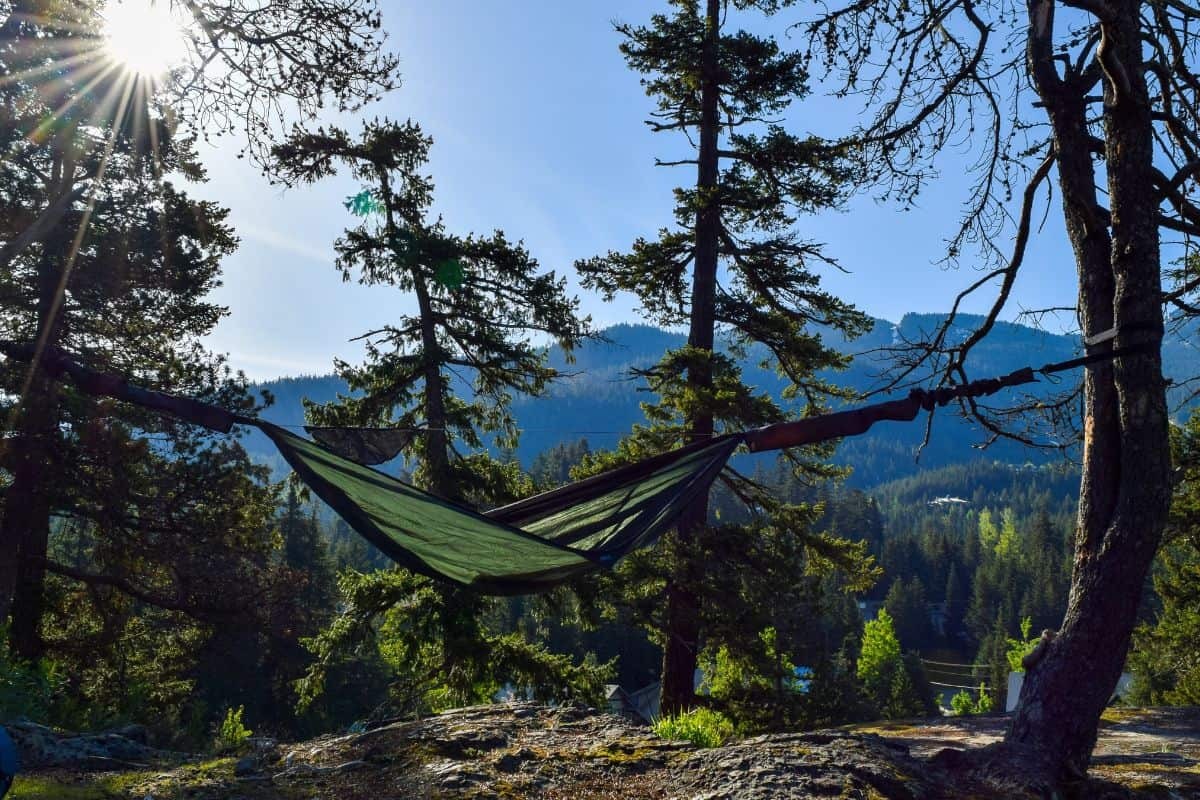
Embarking on a hammock camping adventure offers a unique perspective on the great outdoors. Beyond the basic comfort and relaxation, a hammock can be the cornerstone of a truly unforgettable experience, adaptable to various camping styles and group sizes. This section explores innovative ways to integrate hammocks into your camping repertoire, from glamping to backpacking, fostering a deeper connection with nature and creating lasting memories.
Glamping with a Hammock Twist
Hammocks seamlessly integrate into glamping setups, enhancing the luxury and comfort. Consider incorporating a hammock into a pre-existing glamping site, or design a unique space around it. A simple addition like a canopy or a lightweight awning can create shade and protection from the elements, while strategically placed outdoor lighting enhances the ambiance. A comfortable, padded hammock pad or a soft blanket can add a touch of opulence to the experience.
These elements elevate the glamping experience beyond the usual amenities, offering a more intimate and relaxing connection with nature.
Backpacking with a Hammock
Even backpacking trips can benefit from the versatility of a hammock. A lightweight, durable hammock can be a welcome addition to your backpacking gear. Combine it with a sturdy trekking pole or suspension system to create a portable, comfortable resting spot. This is particularly useful for longer treks, where a break from the ground offers a significant comfort improvement.
Consider a hammock with a smaller footprint for easy transport and storage. By incorporating a hammock, backpacking trips can be made more comfortable and enjoyable, without significantly increasing the overall weight or bulk of the gear.
Nature Observation and Stargazing
Hammocks are ideal for nature observation and stargazing. The elevated perspective from a hammock allows for unobstructed views of the surrounding flora and fauna. Choose a campsite that offers a clear view of the night sky, away from city lights. Hang your hammock in a spot that maximizes your ability to appreciate the beauty of the night sky.
A comfortable hammock and a blanket provide a unique setting for observing wildlife and stargazing, making it a perfect escape for those seeking a deeper connection with the natural world.
Decorating Your Hammock Setup
Transform your hammock into a personal sanctuary with creative decorations. A few strategically placed pillows, throws, and blankets can create a cozy atmosphere. Consider using colorful or patterned fabrics to add a pop of personality to your setup. Hang fairy lights or string lights for a magical ambiance, especially during evenings. Personalize your space with small, meaningful decorations.
This creates a memorable and unique experience, enhancing the ambiance of your hammock setup.
Hammocks as Social Spaces
A hammock setup can easily become a social space for groups. Multiple hammocks arranged in a cluster or along a shared area can create a relaxed and inviting atmosphere. This fosters interaction and encourages a sense of community among campers. Sharing stories, playing games, or simply enjoying the company of others can be greatly enhanced in a hammock setting.
Use the hammock area as a central gathering point for shared activities.
Cooking and Eating in a Hammock
Cooking and eating meals in a hammock adds a unique touch to your camping experience. A lightweight portable stove or grill can be used for cooking simple meals, while a picnic basket or cooler can hold your provisions. A hammock can be placed strategically to facilitate cooking and dining, making it a relaxing and enjoyable experience. Use a portable table or a sturdy tray to ensure stability and prevent spills while enjoying meals in a hammock.
Creating a Hammock-Centric Itinerary
A hammock-centric camping itinerary prioritizes relaxation and enjoyment. Plan activities around your hammock setup, ensuring that breaks and downtime are incorporated into your schedule. This allows for maximum relaxation and enjoyment. Consider activities that are suited to a hammock environment, such as reading, listening to music, and enjoying the natural surroundings. Choose locations and campsites that support the hammock experience.
Incorporate activities like nature walks or scenic drives that complement the hammock’s relaxing atmosphere.
Hammock Camping Destinations
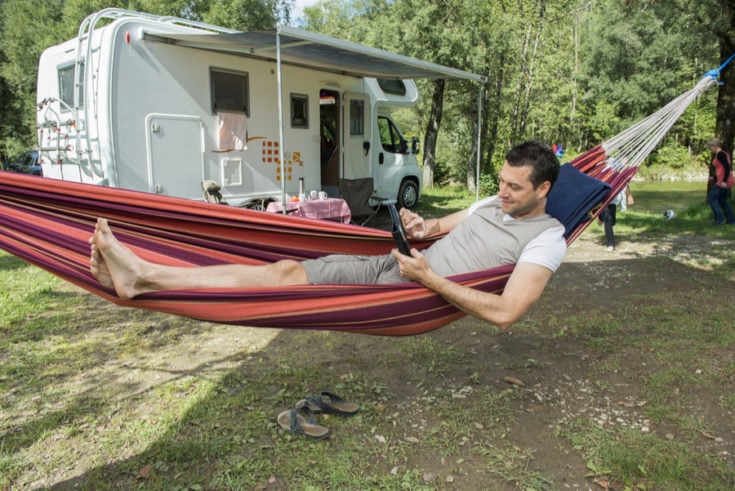
Embarking on a hammock camping adventure offers a unique way to connect with nature’s beauty. Choosing the right destination is crucial to enhancing your experience, ensuring a comfortable and memorable trip. Consider factors like accessibility, scenic views, and the overall atmosphere when selecting your hammock camping spot.Finding the perfect hammock camping spot involves careful consideration of your preferences and the environment.
Responsible camping practices are essential to protect the delicate ecosystems we enjoy. This section will guide you through selecting locations, booking permits, and respecting the natural surroundings.
Suitable Locations for Hammock Camping
Choosing a location that suits your needs is paramount. A variety of landscapes offer ideal hammock camping experiences. Consider the type of scenery you prefer and the level of comfort you seek.
- National Parks and Forests: Many national parks and forests offer designated campsites perfect for hammock setups. These areas often boast breathtaking views, diverse wildlife, and well-maintained trails. Examples include Yosemite National Park (California) for its iconic granite cliffs and redwood forests, or the Great Smoky Mountains National Park (Tennessee/North Carolina) for its stunning mountain vistas.
- State Parks and Recreational Areas: State parks and recreational areas provide a balance between natural beauty and accessibility. These parks frequently offer a range of amenities, including restrooms, picnic areas, and developed campsites. They are a good option for those seeking a more accessible and organized camping experience.
- Backcountry Locations: For the adventurous camper, backcountry hammock camping offers a chance to immerse oneself in nature. These areas often require permits and more self-reliance. They can provide a truly unique and remote experience, often with stunning vistas and solitude.
Environmental Awareness and Responsible Practices
Respecting the environment is crucial for ensuring that future generations can enjoy these destinations. Leaving no trace and practicing responsible camping are essential.
- Leave No Trace: Adhere to Leave No Trace principles. Pack out everything you pack in, minimize campfire impact, and respect wildlife. This ensures the preservation of the natural beauty of the area for future visitors.
- Minimize Disturbance: Be mindful of your surroundings. Keep noise levels down, especially during dawn and dusk when wildlife is most active. Avoid disturbing plant life and maintain a safe distance from animals.
- Proper Waste Disposal: Dispose of trash properly. Utilize designated waste receptacles and pack out any non-biodegradable items.
Hammock Setups for Different Campers
Different hammock camping destinations cater to various preferences. Consider factors like the type of terrain, the presence of trees, and the overall atmosphere when selecting your location.
- Family Campers: Family-friendly locations with designated campsites and amenities are ideal for families. Consider parks with playgrounds, picnic areas, and access to activities.
- Solo Travelers: For solo travelers, remote areas with stunning views and opportunities for solitude can offer a peaceful and enriching experience.
- Adventurous Groups: For groups seeking adventure, backcountry areas or locations with challenging trails and scenic overlooks are excellent choices.
Choosing a Hammock Camping Spot Based on Preferences
Selecting the perfect hammock camping spot depends on your personal preferences. Consider your desired level of comfort, accessibility, and the overall ambiance.
- Accessibility: Factor in the accessibility of the location. Consider driving distances, trail difficulty, and the availability of amenities.
- Scenic Beauty: Select locations with scenic views that align with your preferences. Consider mountains, forests, lakes, or coastal areas.
- Atmosphere: Choose an environment that matches your desired atmosphere. Do you prefer a bustling campsite or a secluded, quiet location?
Booking Camping Sites or Permits
In popular areas, reserving campsites or permits in advance is essential. Booking well ahead of time can guarantee your spot and avoid disappointment.
- Online Reservations: Many parks and recreational areas offer online reservation systems for campsites and permits. Check their websites for availability and booking procedures.
- Phone Reservations: Some locations may require phone reservations. Check the park’s website or contact information for details.
- Permit Requirements: Be aware of any permit requirements for the area. Some locations may require permits for overnight stays or access to specific trails.
Destinations with Exceptional Views
Certain locations offer breathtaking views perfect for hammock camping. Consider locations with panoramic vistas.
- Redwood National and State Parks (California): These parks offer stunning redwood forests, coastal views, and opportunities for secluded hammock camping.
- Acadia National Park (Maine): The park’s dramatic coastline, granite peaks, and pristine lakes offer exceptional views from a hammock.
- Rocky Mountain National Park (Colorado): The towering peaks, alpine meadows, and clear streams provide a stunning backdrop for hammock camping.
Ultimate Conclusion
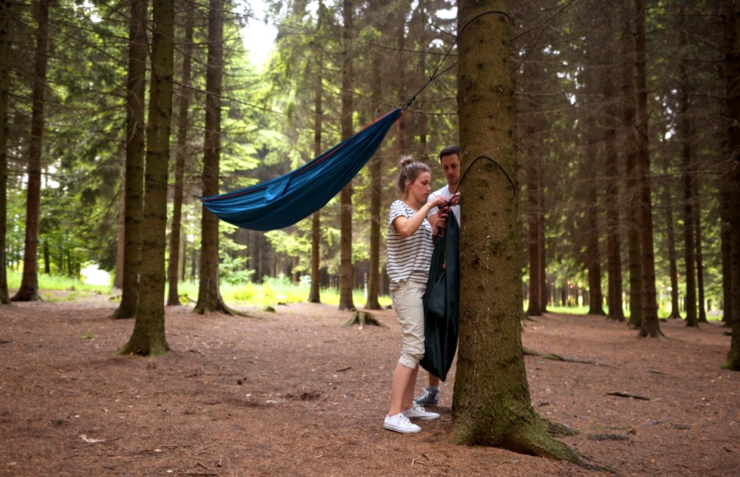
In conclusion, comfortable hammock camping is achievable with careful planning and consideration. This guide has provided a thorough overview of selecting the right hammock, establishing a secure campsite, enhancing comfort, and ensuring a safe and enjoyable experience. We’ve also highlighted creative ideas for unique hammock camping experiences, as well as important tips for maintaining your hammock and choosing the perfect destinations.
Now go forth and enjoy the unparalleled comfort and tranquility of hammock camping!