Creating a comfortable lounge area at your campsite elevates the entire camping experience. Beyond a simple resting spot, a well-designed lounge area becomes the heart of your adventure, a place for relaxation, socializing, and enjoying the outdoors. This comprehensive guide explores the essential elements for transforming your campsite into a cozy haven, from thoughtful design to practical considerations for comfort, safety, and integration with other activities.
This guide delves into every crucial aspect of crafting a welcoming and functional lounge area, providing detailed information on planning, materials, comfort, lighting, accessibility, and integration with outdoor activities. It’s a practical manual for maximizing the potential of your campsite, whether you’re seeking a quiet retreat or a vibrant hub for shared experiences.
Planning & Design
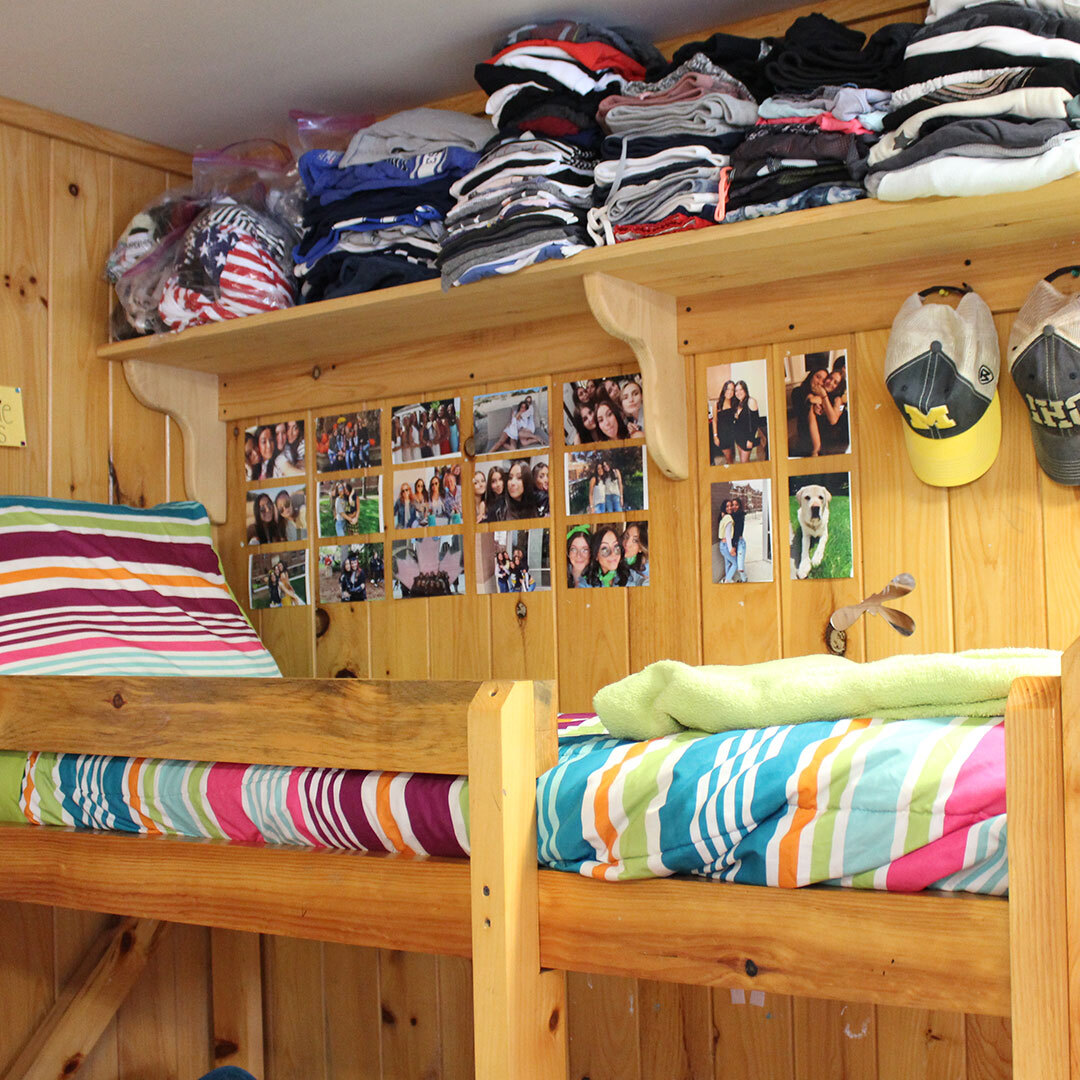
Creating a comfortable camping lounge area involves careful planning and design to maximize both functionality and aesthetic appeal. This section will detail the key elements for designing a lounge, from layout considerations to material selection and integrating natural surroundings. A well-designed space enhances the overall camping experience, making it a relaxing and enjoyable retreat.Careful consideration of space, seating arrangements, and the integration of natural elements are crucial for a successful camping lounge design.
The specific needs and preferences of campers should be at the forefront of the design process, leading to a tailored and personalized experience.
Lounge Area Layouts
Designing a comfortable camping lounge requires careful consideration of space. Different layouts cater to varying campsite sizes.
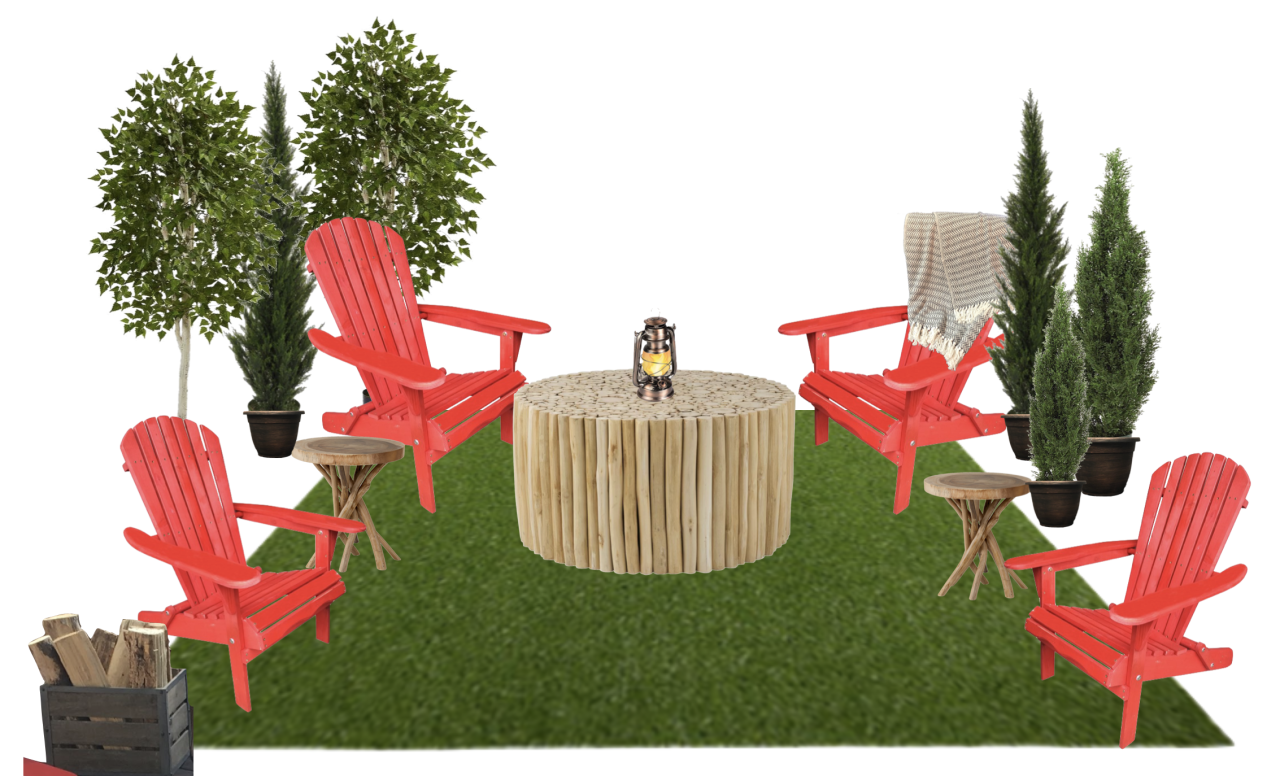
- Small Camping Lounge: A small lounge area might prioritize compact furniture and multi-functional elements. A small, foldable table with two to three comfortable folding chairs, or even a cozy beanbag chair, can provide ample seating. A small side table can act as a storage space for essentials. This design prioritizes efficiency and minimal footprint.
- Medium Camping Lounge: A medium-sized lounge offers more flexibility. A larger folding table, coupled with a mix of folding chairs and Adirondack chairs, provides seating for a larger group. Consider a small, portable coffee table for added convenience and aesthetic appeal. This design accommodates more guests and allows for social interaction.
- Large Camping Lounge: A large lounge area allows for a more expansive and sophisticated design. A substantial, sturdy picnic table, complemented by a combination of Adirondack chairs, folding chairs, and potentially a comfortable loveseat or sofa (consider lightweight and collapsible options), will create a spacious and welcoming atmosphere. A larger side table can hold drinks and snacks, enhancing functionality.
Essential Materials & Supplies
A well-stocked camping lounge requires careful selection of materials. This list focuses on key elements for comfort, durability, and portability.
- Table: A sturdy, foldable picnic table or a portable camping table provides a surface for food, drinks, and games. Consider the size of the table relative to the lounge’s intended capacity. Examples include folding tables made from lightweight aluminum or treated wood.
- Seating: Folding chairs, Adirondack chairs, or beanbags provide comfortable seating options. Folding chairs offer versatility, while Adirondack chairs provide a relaxed posture. Beanbags are comfortable and space-saving. Choose seating that suits the desired aesthetic and intended use.
- Cushions & Pillows: Adding cushions and pillows to chairs or beanbags elevates comfort and provides a cozy atmosphere. Lightweight, waterproof cushions are ideal for outdoor use. Consider cushions with a quick-drying fabric.
- Lighting: A portable lantern or string lights create a welcoming ambiance at night. These can also be integrated into the design of the lounge, providing both function and visual appeal.
- Storage: A small backpack or storage bin keeps items organized and accessible. This prevents clutter and keeps the lounge area tidy.
Seating Comparison
This table compares different seating options for a camping lounge, considering comfort, durability, and space requirements.
| Seating Type | Comfort | Durability | Space Requirements | Cost |
|---|---|---|---|---|
| Folding Chairs | Moderate | High | Low | Low |
| Adirondack Chairs | High | Medium | Medium | Medium |
| Beanbags | High | Low | Low | Low |
Integrating Natural Elements
Incorporating natural elements enhances the aesthetic appeal and provides a seamless connection with the surrounding environment.
- Strategic Placement: Position the lounge area to maximize the view of trees and other natural elements. Strategically placing the lounge area near a shaded area or water feature enhances the natural setting.
- Greenery: Incorporate shrubs and small trees to create a visually appealing backdrop. Consider plants that thrive in outdoor conditions and require minimal maintenance. Examples include small potted shrubs or flowering plants that can add a touch of color and life to the area.
- Natural Materials: Use natural materials like wood or woven fabrics for the lounge furniture to complement the surrounding environment. These materials create a harmonious blend between the natural setting and the design elements.
Materials & Furnishings
Creating a comfortable lounge area at camp requires careful consideration of the materials and furnishings. Choosing the right components ensures a relaxing and enjoyable experience, regardless of the weather conditions or the duration of your stay. Proper selection of durable and weather-resistant materials is key to long-term enjoyment and minimizing maintenance.
Materials for Construction
A range of materials can be utilized for constructing a comfortable camping lounge. These materials should be selected based on factors such as durability, weather resistance, and aesthetic appeal. Wood, metal, and even repurposed materials like pallets can serve as excellent structural foundations.
- Wood: Durable and readily available, wood can be used for frames, tables, and benches. Treated lumber is crucial for outdoor use, as it resists rot and insect damage. Consider hardwoods like cedar or redwood for their inherent weather resistance.
- Metal: Metal frames provide a sturdy base for furniture. Aluminum and steel are popular choices due to their strength and resistance to rust. Powder-coated finishes further enhance their longevity and aesthetic appeal.
- Repurposed Materials: Pallets, old crates, and salvaged wood offer unique character and a sustainable approach. These materials often require additional treatment to withstand outdoor conditions, such as sealing or staining.
Fabric Selection for Outdoor Seating
Fabric selection for outdoor seating and cushions is paramount for comfort and longevity. The material’s resistance to fading, water, and mildew is crucial for outdoor use. Different fabrics possess varying characteristics and suit different needs.
- Polyester: A popular choice due to its water resistance, durability, and relatively low cost. It’s a good option for cushions and covers, but may not be as breathable as other materials.
- Acrylic: Known for its weather resistance and ability to maintain color vibrancy. It’s a suitable choice for outdoor cushions and fabrics, offering a good balance of durability and aesthetics.
- Canvas: A classic outdoor material, canvas is durable and breathable. It’s a good choice for seating and coverings, but can be more prone to staining compared to synthetic fabrics.
Importance of Weather-Resistant Materials
Weather-resistant materials are essential for outdoor furniture. Exposure to sunlight, rain, and temperature fluctuations can quickly degrade unprotected materials. This degradation can compromise the structure and appearance of the furniture, leading to premature deterioration.
- Durability: Weather-resistant materials ensure the longevity of the furniture, allowing for extended use and enjoyment without frequent replacements.
- Aesthetic Preservation: Maintaining the original color and appearance of the furniture is crucial for a pleasing aesthetic. Weather-resistant materials help to preserve the intended design.
- Structural Integrity: Protection from the elements prevents the deterioration of the furniture’s structural integrity. This safeguards against collapses or structural damage over time.
Recycled and Sustainable Materials
Using recycled or sustainable materials for outdoor furniture is increasingly popular, offering environmental benefits. Companies are producing furniture using recycled plastics, reclaimed wood, and other sustainable resources.
- Environmental Benefits: Using recycled materials reduces the demand for virgin resources, lowering the environmental footprint associated with furniture production.
- Economic Viability: Recycled and sustainable materials can sometimes offer cost-effective solutions compared to traditional materials.
- Ethical Considerations: Supporting companies committed to sustainable practices promotes responsible environmental stewardship.
Creating a Comfortable Seating Arrangement
A comfortable seating arrangement considers the available space, the number of people, and the desired ambiance. Using natural elements or camping gear can add unique charm and functionality.
- Natural Elements: Rocks, logs, and branches can be incorporated into the seating arrangement to provide a rustic and natural feel. These elements offer a sense of connection with the surrounding environment.
- Camping Gear: Sleeping bags, blankets, and even outdoor cushions can be used to create extra seating or support for lounging. This can be particularly useful for expanding seating capacity.
- Combination of Materials: Combining natural elements and camping gear can create a seating area that is both functional and aesthetically pleasing.
Comfort & Functionality
Creating a comfortable and functional lounge area at camp hinges on thoughtful consideration of ergonomics, weatherproofing, and organizational strategies. This section details crucial elements for ensuring a relaxing and enjoyable experience for everyone. Careful planning in these areas will transform your campsite from a temporary stay to a true retreat.Ergonomic considerations are essential for maximizing comfort. Proper seating height, backrest support, and the use of supportive cushions are key factors in ensuring relaxation and minimizing discomfort, particularly during extended periods of use.
The arrangement of seating should encourage conversation and social interaction, fostering a sense of community and shared experience.
Ensuring Maximum Comfort and Ergonomics
Maximizing comfort involves several crucial aspects. Choosing seating that promotes good posture is paramount. A comfortable backrest, sufficient cushioning, and adjustable features can significantly impact the overall comfort level. Consider the height of the seating in relation to the ground; too high or too low can lead to discomfort. Appropriate spacing between seating arrangements is equally important, enabling easy movement and interaction.
These considerations are essential to create a relaxing atmosphere that encourages both individual and group relaxation.
Types of Cushions and Weather Suitability
Selecting the right cushions is critical for comfort and durability. Different materials and construction methods cater to varying weather conditions. Outdoor-grade cushions, made from water-resistant and weather-resistant materials, are ideal for camping. These materials typically include fabrics like nylon, polyester, or canvas, often with waterproof or water-repellent treatments. In addition, consider the fill of the cushion.
Down or synthetic fill options provide varying levels of cushioning and insulation. For particularly wet climates, consider cushions with removable covers that can be washed or dried easily. Using waterproof covers or choosing waterproof cushion materials will ensure the cushions remain comfortable and functional even during inclement weather.
Optimizing Space for Storage and Organization
Effective storage and organization are essential for maintaining a comfortable and clutter-free lounge area. Utilizing space-saving storage solutions, such as stackable containers or wall-mounted organizers, is beneficial. Employing innovative storage solutions, such as benches with built-in storage or foldable tables, allows for efficient use of space. Consider the use of lightweight, compact storage containers to minimize the weight and bulk of storage items.
Strategic placement of storage solutions, such as near seating areas or entry points, allows for easy access to items and helps to maintain order.
Accessories to Enhance Comfort and Atmosphere
A variety of accessories can enhance the comfort and atmosphere of the camping lounge. Consider incorporating portable lighting solutions, such as lanterns or solar-powered lamps, to create a warm and inviting ambiance. Portable fans or small air purifiers can help to improve air quality and circulation, especially in warmer climates. A small, portable speaker system can add music and enhance the mood, providing a relaxing backdrop to the camping experience.
Additionally, rugs or floor mats can add a touch of elegance and protection from the ground. Consider adding a small, portable projector for entertainment at night.
Safety Considerations
Safety should be paramount in any camping setup. A checklist of essential safety precautions should be established and followed meticulously. Ensure adequate lighting for visibility at night, especially around walkways and seating areas. Clearly mark tripping hazards and ensure all electrical cords are properly secured to avoid accidents. Secure all items to prevent them from blowing away or being moved by wind.
Store all hazardous materials, such as fuel or cleaning supplies, safely and securely. These measures will contribute to a more secure and enjoyable experience. A first-aid kit, properly stocked, is a vital addition to any camping trip.
Lighting & Ambiance
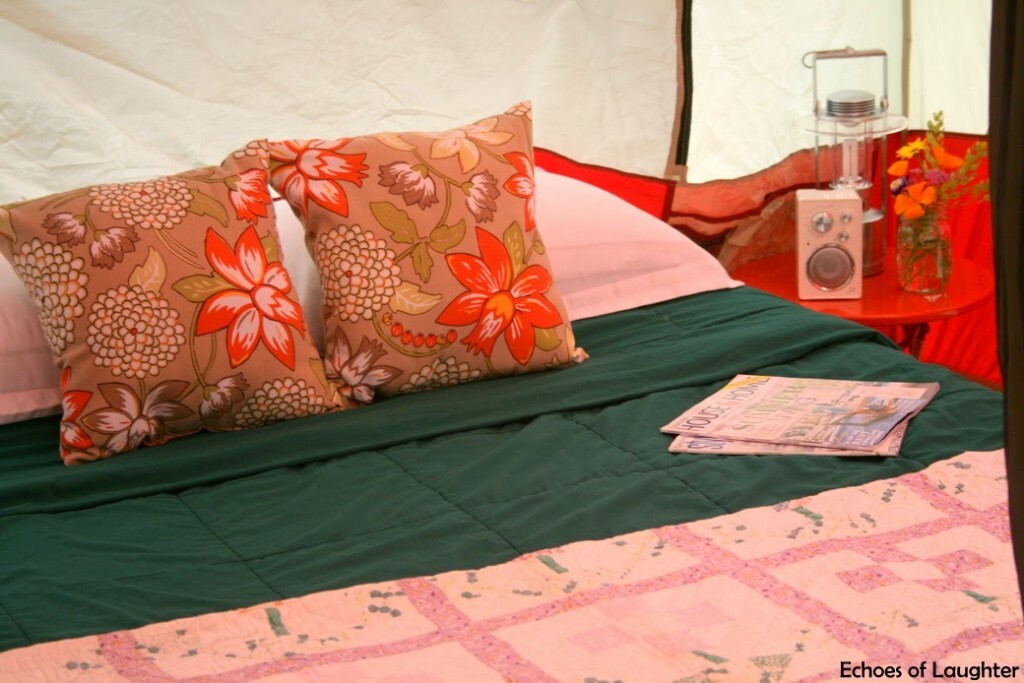
Creating a comfortable and inviting camping lounge area hinges significantly on the thoughtful application of lighting. Proper illumination not only enhances the aesthetic appeal but also significantly impacts the overall ambiance, fostering a sense of relaxation and well-being. A well-designed lighting scheme can transform a simple campsite into a truly enjoyable social space.A harmonious blend of ambient, task, and accent lighting is key to a successful design.
Ambient lighting provides the overall illumination, while task lighting caters to specific activities, and accent lighting highlights focal points. The interplay of these types creates a layered effect, enhancing the depth and richness of the space.
Types of Lighting Suitable for a Camping Lounge
A variety of lighting options are available for a camping lounge, each with unique characteristics and effects. Consider using strategically placed spotlights to illuminate specific features, like a fireplace or a collection of interesting rocks.
- Ambient Lighting: This provides the general illumination for the area. String lights draped across trees or a canopy above the lounge area create a warm, inviting atmosphere, perfect for evenings. Lanterns placed around the perimeter softly illuminate the space. A large, suspended lantern provides a central focal point while diffusing light throughout the area. Solar-powered string lights are an eco-friendly and convenient option for ambient lighting.
- Task Lighting: This focuses on specific areas where tasks are performed, such as reading or crafting. A portable, battery-operated lamp placed on a table is useful for focused illumination without disturbing the ambient lighting. A headlamp allows individuals to work or read without casting excessive light on others. A strategically placed lantern over a dining table provides sufficient illumination for meals.
- Accent Lighting: This highlights specific features or artworks. Spotlights directed at a focal point, like a sculpture or a beautiful tree, draw attention to its details. A collection of fairy lights or small lanterns around a specific area can create a unique focal point.
Incorporating Natural Light Sources
Maximizing natural light is essential to a comfortable camping lounge. Strategically positioning the lounge area to take advantage of natural light sources like the setting sun or morning light can greatly enhance the overall experience. This creates a welcoming atmosphere and a sense of connection with the natural environment.
- Positioning: Place the lounge area near trees or open spaces to maximize natural light during different times of the day. If possible, position the area to allow the morning or afternoon sun to filter through the space.
- Transparency: Use sheer fabrics or curtains to diffuse natural light, softening its intensity while maintaining its presence.
Creating a Relaxing Atmosphere
Creating a relaxing atmosphere is crucial for a comfortable lounge area. This can be achieved through various techniques, including the careful selection and placement of lighting.
- Candles and Lanterns: Candles, particularly those with warm, natural scents, can create a soothing ambiance. Lanterns in various shapes and sizes provide a warm, inviting glow, particularly during twilight hours. Combining both candles and lanterns can create a layered and dynamic ambiance.
- String Lights: String lights, especially warm-toned options, can be draped over trees or hung from branches, creating a whimsical and magical atmosphere. They can be used to accent specific areas or provide a soft glow throughout the entire lounge. Varying the types and colors of string lights can create a unique and interesting effect.
Lighting Options Table
| Lighting Option | Potential Impact on Mood |
|---|---|
| String lights (warm white) | Creates a cozy, inviting, and relaxed atmosphere. |
| Lanterns (with warm-toned light bulbs) | Enhances a sense of warmth and tranquility. |
| Candles (natural scents) | Promotes a calming and soothing mood, particularly in combination with other lighting. |
| Spotlights (on focal points) | Highlights specific features, creating a sense of interest and focus. |
| Solar-powered string lights | Eco-friendly and creates a subtle, natural ambiance. |
Accessibility & Safety
Creating a comfortable camping lounge extends beyond aesthetics; it encompasses the well-being and safety of all users. Careful consideration of accessibility and safety features ensures inclusivity and peace of mind for everyone enjoying the space. This section will detail how to design an accessible and safe lounge area for diverse needs.Ensuring a camping lounge is accessible to people with various abilities requires proactive planning.
This involves understanding the specific needs of individuals with mobility limitations, visual impairments, or hearing challenges. Adapting the layout and incorporating assistive devices can significantly improve usability.
Accessibility Considerations
Designing for accessibility means considering diverse needs. Level ground is crucial for wheelchair users and those with mobility issues. Ample space should be available around seating areas for maneuvering. Using ramps instead of steps or providing lift-chairs for easier access to seating arrangements will be beneficial. Adding tactile markers on walkways and identifying features with raised lettering or braille can enhance the experience for individuals with visual impairments.
Installing clear signage with large font and audio cues for hearing-impaired individuals is essential. Providing assistive listening devices can enhance communication for those with hearing impairments. All of these features promote inclusivity and ensure a comfortable experience for everyone.
Safety Measures
A safe camping lounge prioritizes minimizing risks. This involves considering potential hazards, including fire, weather, and general safety concerns. Establishing clear fire escape routes and providing appropriate fire extinguishers is vital. Placing fire-resistant materials in the lounge area and maintaining a safe distance from any flammable materials is also critical. Securely anchoring furniture to prevent tipping during high winds is a must.
Having a first-aid kit readily available with essential supplies, including bandages, antiseptic wipes, pain relievers, and any personal medications, is essential.
Safety Procedures
| Situation | Procedure |
|---|---|
| Fire Hazard |
|
| Severe Weather |
|
| Potential Injuries |
|
Emergency Supplies
The lounge area should have a comprehensive emergency kit. This kit should include essential items like first-aid supplies, a portable phone charger, a flashlight, and a whistle. Having a communication plan in place is also crucial. Designate individuals responsible for contacting emergency services in case of a situation. A pre-prepared list of emergency contacts (campground staff, local authorities) should be readily available.
Outdoor Activities & Integration
Creating a comfortable lounge area at camp extends beyond mere relaxation; it seamlessly integrates into the overall camping experience. Strategic placement and thoughtful design can transform this area into a hub for socializing, enjoying the outdoors, and engaging in various activities. This integration fosters a more immersive and enjoyable camping experience for all.
Connecting with Outdoor Cooking Areas
A well-designed lounge area should be strategically located to easily connect with a campfire or other outdoor cooking areas. This proximity allows for seamless transitions between relaxing and enjoying culinary experiences. Clear pathways and designated spaces for carrying food and drinks contribute to a smooth flow between areas. Consider a covered patio or awning to provide shelter from elements while maintaining a connection to the natural surroundings.
This approach maximizes enjoyment without sacrificing comfort.
Creating Space for Games and Relaxation
The lounge area should provide ample space for games and relaxation. A well-defined area for card games, board games, or simply socializing should be part of the design. Soft seating, such as beanbags or floor cushions, can encourage relaxed interaction and provide different seating options. Consider incorporating a low table or coffee table for placing games and refreshments.
The layout should be adaptable and easily adjusted for different activities.
Suitable Games and Activities
A variety of games and activities can enhance the camping experience. Outdoor games like frisbee, volleyball, or badminton can be enjoyed within a short distance from the lounge area. Classic board games, card games, and storytelling sessions add to the social element. Consider the age and interests of campers when selecting activities.
- Card Games: Classic games like poker, spades, or rummy are engaging and suitable for diverse groups. These games can be played indoors or outdoors, with the convenience of a covered area.
- Board Games: Family-friendly board games can bring laughter and competition. Consider games suitable for different age groups, ensuring a welcoming atmosphere for everyone.
- Outdoor Games: Frisbee, volleyball, or badminton can be played near the lounge area, offering active engagement and fresh air.
- Storytelling: Encouraging storytelling sessions can create lasting memories and foster a sense of community. This can involve sharing personal anecdotes or creating collaborative narratives.
- Nature Walks: Incorporating a nature walk into the schedule allows for exploring the surroundings and discovering hidden gems.
Incorporating the Lounge into the Overall Experience
The lounge area should be more than just a resting place; it should be a central point for the entire camping experience. Strategically placing it near popular camping destinations, like the campfire, enhances the overall flow of the camp. It should be easy to access and move between the lounge, campsite, and other activities. Adding a hammock or a comfy spot for reading can extend relaxation opportunities.
Wrap-Up
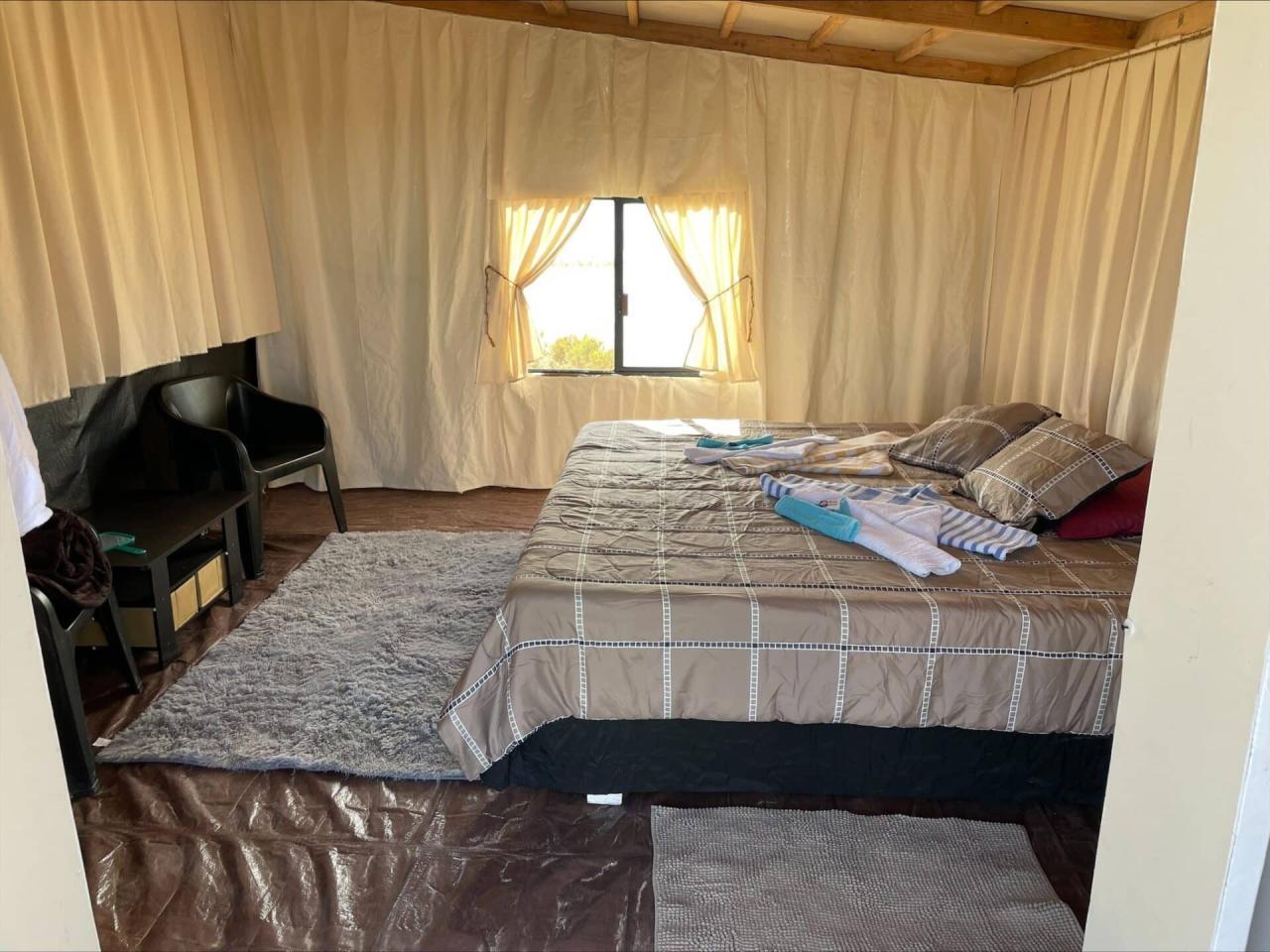
In conclusion, crafting a comfortable lounge area at camp requires careful planning, thoughtful material selection, and a focus on both comfort and safety. By considering design, functionality, and integration with outdoor activities, you can create a space that elevates your camping experience, fostering relaxation and shared enjoyment. This comprehensive guide provides the roadmap for turning your campsite into a cozy and inviting haven, making your next adventure even more memorable.