Finding the perfect campsite is crucial for a comfortable and enjoyable outdoor experience. This comprehensive guide dives deep into the art of selecting a campsite with natural wind protection, ensuring a pleasant stay regardless of weather conditions. From understanding wind patterns to evaluating campsite features, we’ll equip you with the knowledge and strategies needed to find your ideal location.
This guide provides a detailed exploration of crucial factors in choosing a campsite, from recognizing the influence of terrain on wind patterns to evaluating the effectiveness of natural windbreaks. Practical considerations, such as campsite layouts and wind-related hazards, are also discussed. The inclusion of visual representations and scenarios further enhances understanding and application of the strategies presented.
Understanding Wind Patterns and Terrain
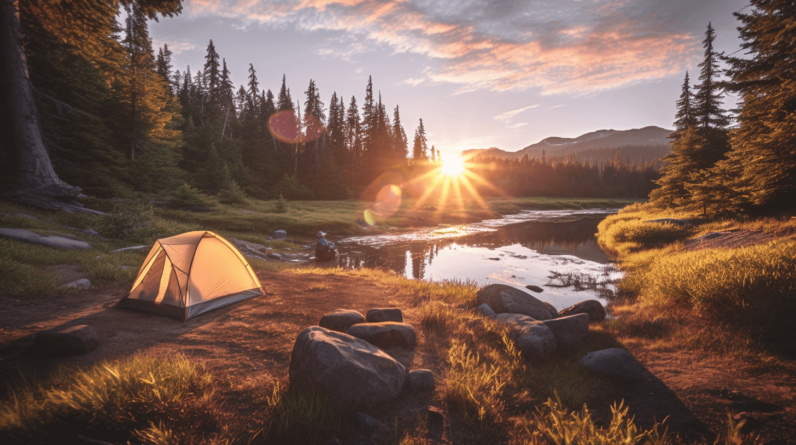
Choosing a campsite with natural wind protection is crucial for a comfortable and enjoyable experience. Understanding how wind patterns interact with the terrain is essential for selecting the ideal spot. This knowledge allows you to anticipate wind conditions and select a location shielded from strong gusts, enhancing your overall camping experience.Geographical location and time of day significantly influence wind patterns.
For instance, coastal areas often experience stronger winds than inland locations due to proximity to large bodies of water. Likewise, mountain passes can funnel wind, leading to higher speeds compared to surrounding valleys. Understanding these variations in wind strength and direction is key to finding a protected campsite.
Variability of Wind Patterns
Wind patterns are not static; they change throughout the day and across different seasons. Understanding these fluctuations is critical for choosing a campsite that provides adequate protection against the prevailing winds. Local weather reports and online resources can be instrumental in identifying wind patterns specific to a region. By examining historical weather data, campers can anticipate wind conditions and select a site with the most suitable protection.
Role of Topography in Wind
Topography significantly impacts wind speed and direction. Mountains, valleys, and hills act as natural barriers, deflecting or channeling wind flow. Understanding how these features affect wind patterns is critical for selecting a sheltered campsite. Wind speeds often decrease in valleys due to the terrain’s ability to block the wind. Conversely, mountain passes and ridges can funnel winds, leading to higher speeds in those areas.
Identifying Wind Patterns
Several methods can be employed to identify wind patterns in a specific area. Online weather resources often provide detailed wind forecasts, including wind speed, direction, and gusts. Local weather reports can provide crucial insights into the prevailing winds in the region. Experienced campers can also offer valuable insights based on their knowledge of local wind patterns. Speaking with locals, reviewing historical weather data, and observing wind patterns during previous visits can aid in identifying the typical wind patterns in the area.
Comparison of Terrain Features
| Terrain Feature | Impact on Wind Protection |
|---|---|
| Mountains | Excellent wind protection in sheltered valleys, but can funnel winds through passes. |
| Valleys | Generally lower wind speeds compared to surrounding areas due to natural barriers. |
| Plains | Less wind protection; wind speeds are more consistent across the area. |
This table provides a concise overview of how different terrain features affect wind protection. The specific impact will depend on the elevation, shape, and size of the terrain features, as well as the prevailing wind direction.
Identifying Natural Windbreaks
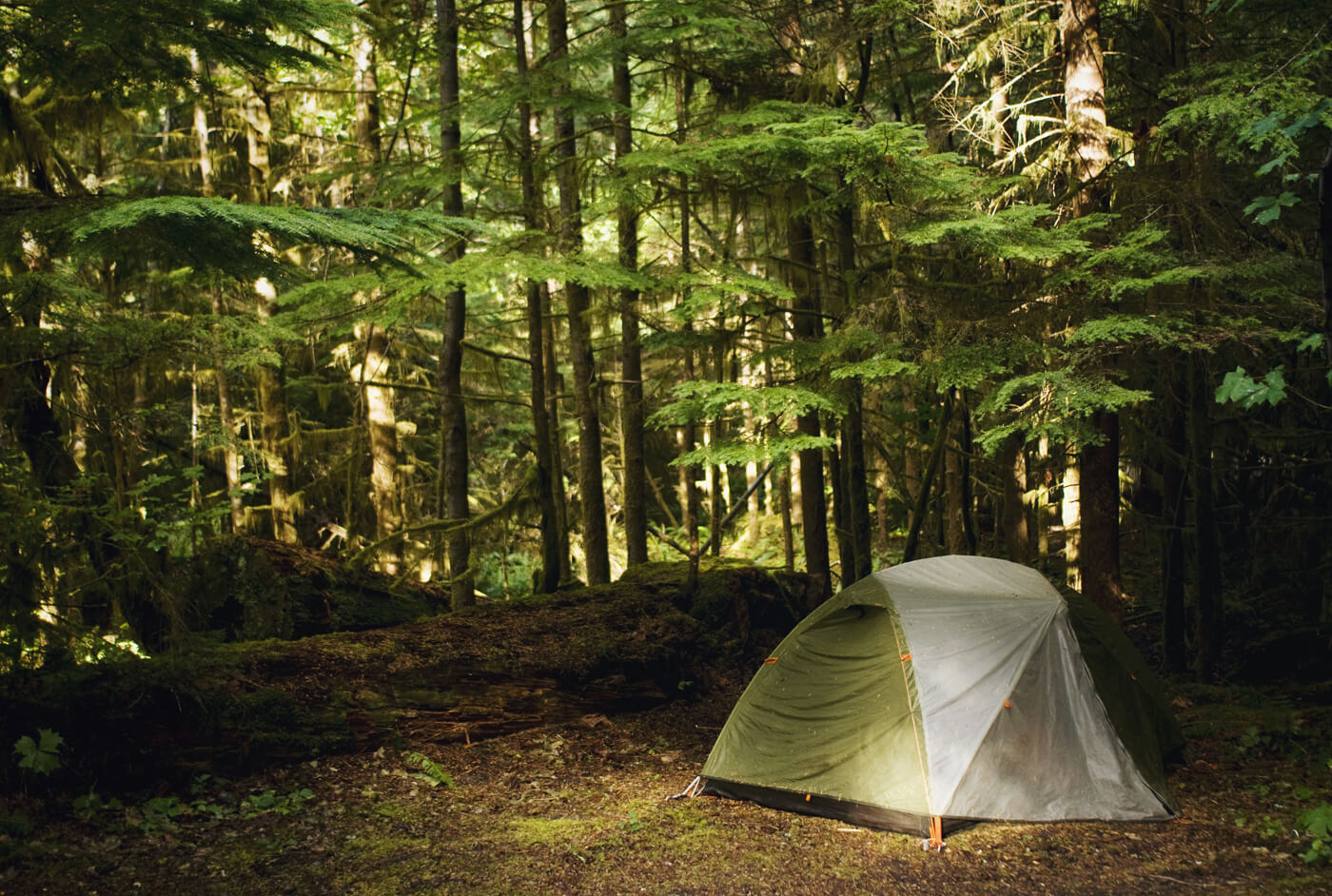
Finding a campsite with natural wind protection is crucial for comfort and enjoyment. Understanding the terrain and prevailing wind patterns is a first step, but recognizing and evaluating natural windbreaks is equally important. This knowledge allows you to strategically select locations that minimize exposure to harsh winds.
Examples of Natural Windbreaks
Natural windbreaks offer a cost-effective and environmentally friendly method for mitigating wind. Various natural elements act as barriers, effectively reducing wind speed and force.
- Trees: Dense stands of trees, particularly coniferous varieties with their needle-like leaves, offer excellent wind protection due to their height and foliage density. Mature, healthy trees provide the most effective windbreaks. Examples include pine, fir, and spruce trees. Deciduous trees, while less effective in winter due to leaf loss, can still offer some wind protection when fully leafed out.
- Shrubs: Thickets of shrubs, with their interwoven branches and dense foliage, can effectively moderate wind speeds, particularly in areas with lighter winds. A combination of shrub species with varying heights and densities can provide a more comprehensive barrier. Examples include bushes, hedges, and dense thickets of low-growing shrubs.
- Rock Formations and Cliffs: Large rock formations and cliffs act as formidable barriers to wind. Their sheer height and density create significant wind deflection, offering substantial protection. The effectiveness depends on the size, shape, and orientation of the rock formations relative to the prevailing wind direction. Cliffs often offer the most substantial wind protection.
Characteristics of Effective Windbreaks
The effectiveness of a natural windbreak depends on several key characteristics.
- Height: The taller the windbreak, the more effective it is at deflecting wind. A significant height advantage allows the wind to be redirected upward and over the barrier, minimizing the impact on the protected area. Consider the height of the prevailing wind in relation to the barrier height.
- Density: A dense windbreak, with closely spaced and interwoven branches or foliage, offers greater resistance to wind penetration than a sparse one. Dense windbreaks effectively impede the wind’s passage. Evaluate the density and continuity of the vegetation or rock formation.
- Spacing: For maximum effectiveness, the spacing between the individual components of the windbreak should be relatively close. This close proximity creates a continuous barrier that obstructs wind flow more effectively than a widely spaced arrangement. Ensure the plants or rock formations are sufficiently close together.
Evaluating Windbreak Effectiveness
Evaluating the effectiveness of a natural windbreak requires careful consideration of the surrounding environment.
- Visual Assessment: A thorough visual inspection can provide initial insights into the windbreak’s characteristics. Examine the height, density, and spacing of the vegetation or rock formation. Note the overall continuity of the barrier and any gaps or weaknesses.
- Wind Direction and Speed: The effectiveness of a windbreak varies greatly depending on the prevailing wind direction and speed. Observe the direction and intensity of the wind in the area. Assess how the wind interacts with the windbreak in different wind conditions. Note the impact on the protected area.
- Past Experiences: In areas with established camping or outdoor recreation sites, inquire about local experiences with natural windbreaks. Information from other users or local guides can provide valuable insights into the effectiveness of specific windbreaks.
Windbreak Effectiveness Table
The following table demonstrates the relative effectiveness of various natural windbreaks against different wind directions. This is a general guideline, and specific effectiveness can vary based on the specific features of the windbreak and the wind conditions.
| Windbreak Type | Effectiveness (High/Medium/Low) | Best Wind Direction | Example |
|---|---|---|---|
| Dense Tree Stand | High | Perpendicular | Mature Pine Forest |
| Thicket of Shrubs | Medium | Perpendicular/Oblique | Dense Briar Patch |
| Rock Formation | High | Perpendicular/Oblique | Large Cliff Face |
Using Maps to Identify Windbreaks
Maps can be valuable tools for identifying potential natural windbreaks in a specific area.
- Topographic Maps: Topographic maps depict the elevation and contours of the land. Look for areas with dense vegetation or high terrain features, which are likely to offer better wind protection. The map scale should be appropriate to the area.
- Satellite Imagery: Satellite imagery can provide a broader perspective of the landscape, allowing you to identify large areas of trees, shrubs, or rock formations. High-resolution imagery is ideal for detailed analysis. Note the presence and characteristics of vegetation or land features.
- Local Knowledge: Combine map analysis with local knowledge to gain a more comprehensive understanding of the terrain. Consult with local residents or park rangers to gain insights into the effectiveness of natural windbreaks in specific areas.
Evaluating Campsite Features for Wind Protection
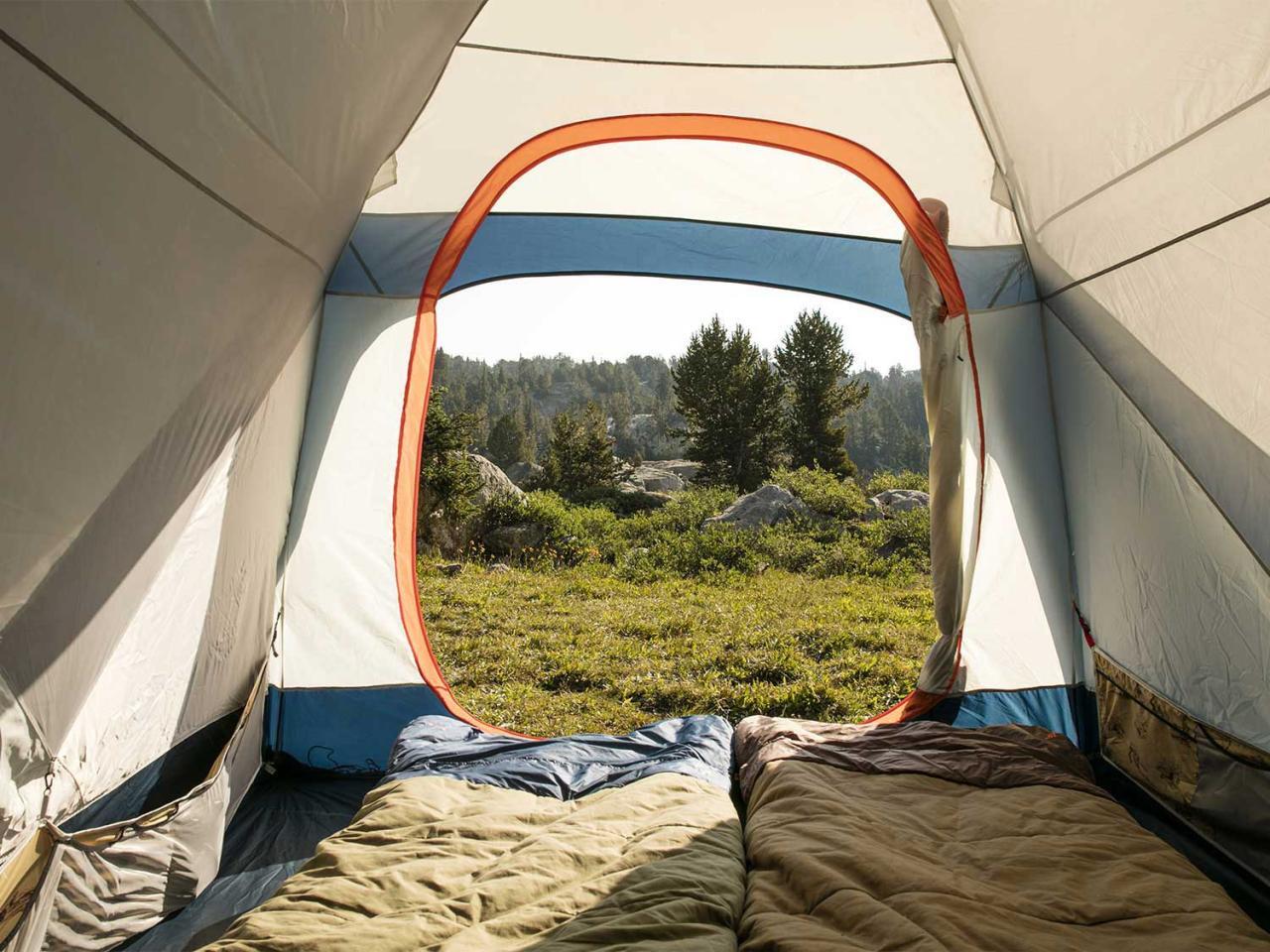
Careful consideration of campsite features is crucial for a comfortable and safe camping experience. Understanding the interplay between wind direction, terrain, and the campsite’s location is vital to finding a sheltered spot. This section delves into the specific elements to evaluate when seeking a campsite with natural wind protection.
Campsite Orientation and Wind Direction
Campsite orientation significantly impacts wind exposure. A campsite positioned perpendicular to prevailing winds will experience more direct wind than one positioned parallel to the wind. Understanding the prevailing wind patterns in the area is paramount to selecting a suitable location. For instance, if the prevailing wind is from the west, a campsite positioned on the east side of a ridge or hill will generally be more protected.
Knowing the typical wind patterns in the region will help predict and mitigate the effects of wind.
Proximity to Natural Windbreaks
Assessing the proximity of a campsite to natural windbreaks is essential. Windbreaks, such as trees, shrubs, or hills, effectively reduce wind speed and create a sheltered microclimate. A campsite nestled within a grove of trees or close to a substantial hill will offer better protection against wind compared to a site exposed to open plains. The effectiveness of a windbreak depends on its height, density, and distance from the campsite.
For example, a dense stand of mature pine trees positioned close to the campsite will provide significantly better protection than a few scattered shrubs far away.
Importance of Surrounding Terrain Height
The height of the surrounding terrain plays a crucial role in wind protection. Higher terrain acts as a barrier, deflecting wind and creating a calmer area at lower elevations. A campsite situated in a valley or a bowl-shaped depression will typically experience less wind than one located on a ridgetop. The slope of the terrain also influences wind patterns.
Steep slopes can channel wind, while gentle slopes allow for smoother airflow. Understanding the topography of the area is key to identifying locations with natural wind protection.
Advantages and Disadvantages of Different Campsite Locations
Different campsite locations offer varying degrees of wind protection. Sites situated in valleys or depressions are often well-protected, but may also be subject to localized temperature variations or increased humidity. Conversely, sites on exposed ridges or hills offer panoramic views but may experience high wind speeds. A campsite close to a large body of water can create unique microclimates, offering both protection and potential for increased humidity.
A thorough assessment of each location is necessary to determine its specific advantages and disadvantages.
Evaluating Overall Wind Protection
To evaluate the overall wind protection offered by a specific campsite location, consider several factors. First, observe the prevailing wind direction and the surrounding terrain features. Assess the presence and proximity of natural windbreaks. Note the height and slope of the surrounding terrain. Analyze the specific location within the broader landscape.
Consider the presence of any obstacles that might exacerbate or mitigate wind exposure. By systematically considering these factors, a camper can make an informed decision about the wind protection offered by a particular campsite.
Practical Considerations for Choosing a Site
Selecting a campsite that offers optimal wind protection is crucial for a comfortable and enjoyable experience. Careful consideration of campsite layout, wind measurement techniques, surrounding vegetation, potential hazards, and mitigation strategies will ensure a safe and pleasant stay. Understanding these factors allows for proactive planning and enhances the overall camping experience.
Campsite Layout Comparisons
Different campsite layouts offer varying degrees of wind protection. A site nestled within a natural amphitheater, for example, will typically offer more protection than a site exposed on a flat plain. Understanding these differences is key to selecting a location that suits your needs.
- Open-Field Sites: These sites, often found in meadows or open areas, provide limited wind protection. They are susceptible to strong winds from all directions, making them less ideal for extended stays, particularly during inclement weather. Campers should be prepared for potential wind-related discomfort or disruption of activities.
- Wooded Sites: Sites surrounded by trees or dense vegetation offer significant wind protection. Trees act as natural windbreaks, reducing wind speeds and offering shelter from gusts. However, the dense foliage may also obscure views or create dampness in certain locations.
- Slope-Based Sites: Sites situated on a slope, particularly facing away from prevailing winds, can offer good wind protection. The slope naturally deflects wind, creating a more sheltered environment. Conversely, sites facing the prevailing winds may experience more wind exposure.
Wind Speed and Direction Measurement
Accurate assessment of wind conditions is essential for choosing a safe and comfortable campsite. Various methods exist for determining wind speed and direction.
- Anemometers: These instruments directly measure wind speed and are available in various forms, from handheld models to more sophisticated weather stations. Using an anemometer at a potential campsite can give a more precise idea of wind intensity.
- Local Weather Forecasts: Weather forecasts, whether obtained from online resources or local weather reports, can provide valuable information on predicted wind speeds and directions. However, local forecasts are often more accurate than generalized predictions.
- Observation: Observing wind patterns and the movement of objects like flags or leaves can offer a preliminary assessment of prevailing wind directions. This method, while less precise, provides a quick visual indication of wind patterns.
Vegetation Assessment
The vegetation surrounding a campsite plays a vital role in providing wind protection. The density and type of vegetation directly influence wind speed and direction.
- Density: Densely packed vegetation, such as a thick stand of trees or shrubs, acts as a more effective windbreak compared to sparse vegetation. Consider the density and extent of the vegetation around a potential campsite.
- Type: Different types of vegetation offer varying levels of wind protection. Tall, sturdy trees, for instance, provide better protection than low-lying shrubs. Consider the height and structure of the vegetation when evaluating wind protection.
Wind Hazard Assessment
Evaluating potential wind hazards is crucial for safety. Strong winds can pose risks to campsites and activities, potentially leading to damage or discomfort.
- Past Weather Records: Analyzing historical weather records for the area can reveal patterns of strong winds or storms, providing insight into the frequency and intensity of wind-related hazards. This helps campers anticipate potential issues.
- Terrain Analysis: The terrain can significantly affect wind patterns. Open plains, for example, tend to experience stronger winds compared to areas with natural barriers. Careful consideration of the terrain is crucial for understanding wind patterns.
Mitigation Strategies
Implementing effective strategies can help mitigate the impact of wind on campsite activities. This proactive approach minimizes discomfort and enhances the camping experience.
- Appropriate Shelter Placement: Positioning tents and other structures in areas offering natural wind protection can significantly reduce the impact of wind. Consider the direction of prevailing winds when setting up camp.
- Securing Equipment: Secure all equipment, including tents, canopies, and belongings, to prevent damage or loss due to strong winds. Properly securing items can mitigate the risk of damage during a storm.
Visualizing Wind Protection
Visualizing a campsite’s wind protection is crucial for selecting a suitable location. A clear mental image of how wind will impact the site allows for proactive planning, ensuring a comfortable and enjoyable camping experience. Understanding wind patterns and the interplay of terrain, vegetation, and the campsite itself helps predict potential issues and mitigate discomfort.Effective campsite selection involves more than just identifying a flat area.
Consideration of natural windbreaks and the direction of prevailing winds is essential for a successful trip. A well-chosen campsite with adequate wind protection can make the difference between a pleasant and a challenging camping experience.
Campsite with Good Wind Protection
A campsite with excellent wind protection is characterized by a natural barrier that deflects the wind. Imagine a gently sloping hillside with a dense stand of evergreens acting as a windbreak. The campsite is situated on the leeward side of this natural barrier, creating a sheltered area. The campsite would offer a degree of quietness and comfort from the wind, ideal for setting up tents and enjoying the outdoors.
A clear view of the surrounding landscape is also present.
Campsite with Poor Wind Protection
A campsite with poor wind protection often lacks any natural or man-made barriers. Visualize a flat, open area exposed to the prevailing winds. Imagine the wind whipping directly across the campsite, impacting tents and potentially causing discomfort. This location is less desirable, as the wind would make it difficult to relax and enjoy the surroundings.
Examples of Campsite Scenarios
- Scenario 1: Excellent Protection: Imagine a campsite nestled within a coniferous forest. The dense canopy of trees acts as a natural windbreak, sheltering the campsite from the prevailing winds. The wind is significantly reduced in this protected area, allowing for comfortable tent placement and relaxation. The visual is a scene of trees forming a wall, with a campsite nestled within.
The sky is visible, but the trees provide a noticeable barrier against the wind.
- Scenario 2: Moderate Protection: A campsite situated on the lee side of a small hill. The hill offers some protection, reducing the wind’s impact. However, the wind is still noticeable, especially during strong gusts. The visual is of a campsite situated at the base of a gently sloping hill. The hill offers some obstruction to the wind, but there’s still a noticeable wind presence.
- Scenario 3: Poor Protection: A campsite located on a flat, open plain. There are no natural barriers, and the campsite is directly exposed to the prevailing winds. The wind will have a significant impact on tent stability and comfort. The visual is a vast, flat expanse of land with no trees or hills. The campsite is positioned centrally, exposed to the open wind.
Effective Windbreak Scenario
A windbreak is most effective when it’s aligned perpendicular to the prevailing wind direction. Imagine a dense thicket of shrubs or a stand of tall trees strategically positioned to block the wind. This barrier creates a sheltered zone behind it, ideal for pitching tents and enjoying outdoor activities. The visual is of a campsite with a line of trees or shrubs running perpendicular to the wind direction.
The campsite is situated behind this line, effectively shielded from the wind.
Wind Pattern Impact on a Specific Campsite
Consider a campsite located on a ridge. The prevailing winds tend to follow the contours of the terrain, blowing up and over the ridge. This will directly affect the campsite, creating a zone of higher wind speeds on the ridgetop and a sheltered area on the leeward slope. The visual is a campsite situated on a ridge.
The wind is depicted as flowing over the ridge, with the highest wind speeds occurring at the top of the ridge and reduced wind speeds on the downward side. The wind direction is indicated by arrows.
Campsite Selection Strategies
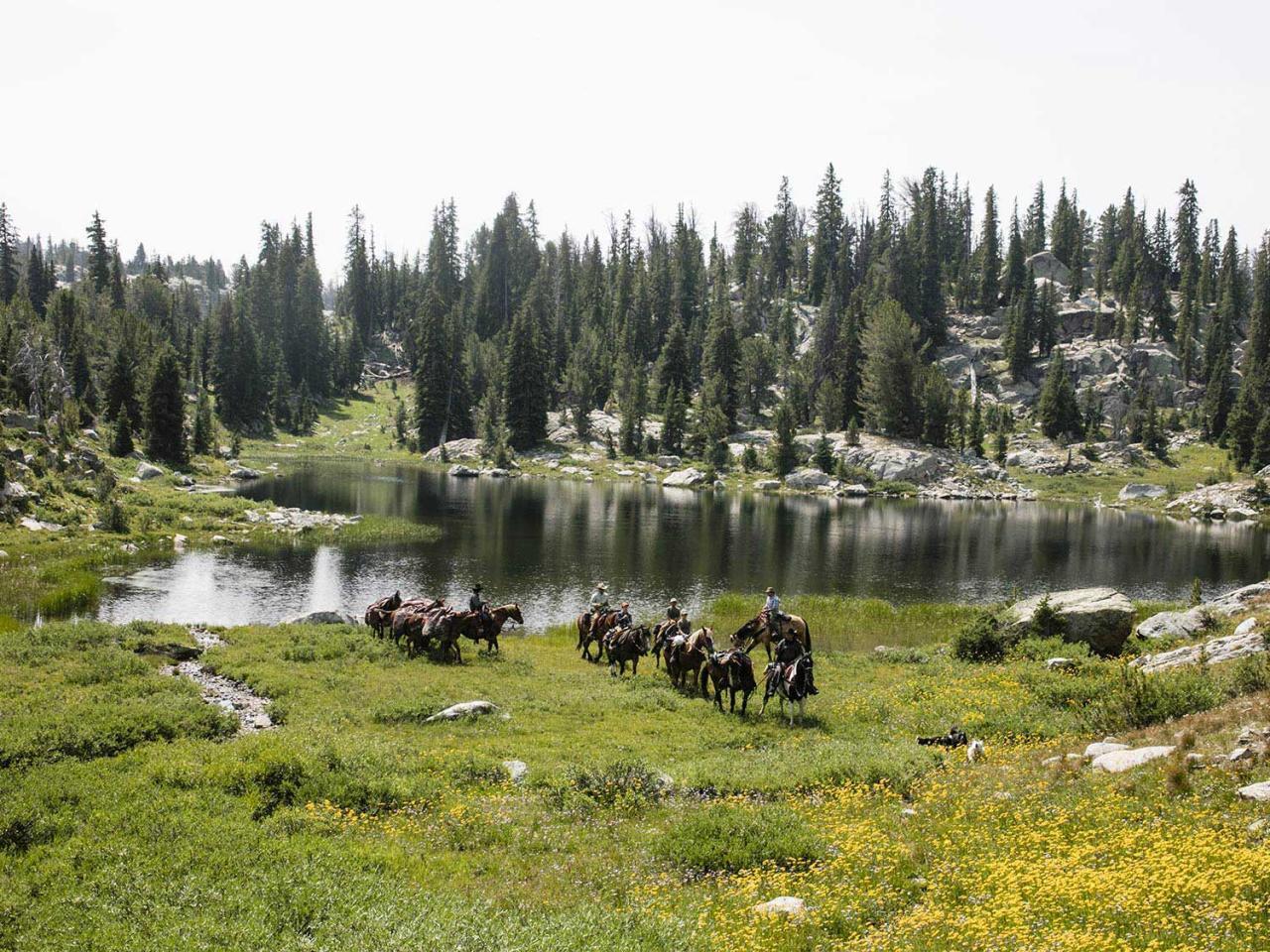
Selecting a campsite with optimal wind protection is crucial for a comfortable and enjoyable camping experience. Careful consideration of various factors, from natural windbreaks to proximity to amenities, can significantly enhance your trip. A well-planned campsite selection strategy considers not only immediate conditions but also potential future weather patterns.Understanding the interplay between terrain, vegetation, and prevailing winds is paramount to finding a site with natural wind protection.
A methodical approach to campsite evaluation, combining observation and informed decision-making, will increase the chances of a positive experience.
Step-by-Step Campsite Selection Process
A systematic approach to campsite selection involves a multi-faceted evaluation process. Begin by thoroughly examining the landscape, noting prominent features such as trees, hills, and valleys. Then, analyze the prevailing wind patterns in the area using local knowledge or weather forecasts. Finally, assess the specific characteristics of potential campsites, considering their proximity to water sources, amenities, and potential wind protection.
Essential Factors to Consider
Several factors influence the suitability of a campsite for wind protection. A crucial aspect is the presence of natural windbreaks, such as trees or hills. Equally important is the campsite’s proximity to water sources, as well as the availability of essential amenities like restrooms and picnic tables. These factors, along with potential future weather conditions, must be carefully weighed during the selection process.
- Natural Windbreaks: Look for areas sheltered by trees, hills, or other natural barriers. Consider the direction of prevailing winds and the density of vegetation. For example, a campsite nestled within a grove of tall pines will offer significantly better wind protection than one in an open field.
- Terrain Features: Evaluate the topography. Sites nestled in valleys or depressions are often more sheltered than those on exposed ridges. A gentle slope facing away from the prevailing wind can offer protection.
- Proximity to Water Sources: Assess the distance to water sources. While not directly related to wind protection, convenient access to water is a significant benefit. This is especially important for hydration and various campsite activities.
- Availability of Amenities: Consider the proximity to restrooms, picnic tables, and other essential amenities. Sites with readily available amenities offer convenience and ease of use, reducing potential discomfort.
- Potential Future Weather Conditions: Anticipate potential changes in weather patterns. A site sheltered from prevailing winds today might become exposed if a storm front shifts wind direction. Check weather forecasts and historical data to predict potential future weather conditions.
Comparison of Campsite Selection Criteria
| Criteria | Description | Importance in Wind Protection |
|---|---|---|
| Natural Windbreaks | Presence of trees, hills, or other natural barriers | High – Provides significant protection from wind |
| Terrain Features | Topography, slopes, valleys | Medium – Can offer varying degrees of protection |
| Proximity to Water Sources | Distance to rivers, lakes, or streams | Low – Not directly related to wind protection, but still important |
| Availability of Amenities | Presence of restrooms, picnic tables, etc. | Low – Not directly related to wind protection, but increases convenience |
Strategies for Finding a Site with Good Wind Protection
Developing a strategy for finding a site with good wind protection involves several steps. Begin by researching potential campsites. Then, assess the site’s characteristics, including its terrain, vegetation, and proximity to water sources. Finally, anticipate future weather conditions and make adjustments to your campsite selection based on these factors.
- Pre-Trip Research: Thoroughly research potential campsites before your trip. Utilize online resources, campground websites, and local information to gain an understanding of the terrain, vegetation, and prevailing wind patterns.
- On-Site Assessment: Carefully examine the specific characteristics of potential campsites. Note the presence of natural windbreaks, the topography, and the overall layout of the area. Pay attention to the direction of the prevailing wind.
- Weather Forecasting: Consider potential future weather conditions. Consult weather forecasts and historical data to anticipate changes in wind direction and intensity.
Last Word
In conclusion, selecting a campsite with natural wind protection requires careful consideration of various factors. Understanding wind patterns, identifying natural windbreaks, evaluating campsite features, and considering practical aspects like campsite layouts and potential hazards are essential steps in the process. By applying the strategies Artikeld in this guide, you can significantly enhance your camping experience and minimize discomfort due to unpredictable weather.
Remember to prioritize safety and enjoy your outdoor adventure!