Navigating in the dark can be daunting, but with careful planning and the right strategies, it can be accomplished safely and comfortably. This guide provides a comprehensive overview of essential techniques for successfully navigating various dark environments, from dense forests to unfamiliar city streets. From enhancing visibility to developing sensory awareness, maintaining balance, and understanding safety precautions, this guide equips you with the knowledge and skills needed to confidently navigate the night.
The key elements of successful night navigation include understanding your surroundings, maximizing available light sources, developing heightened sensory awareness, maintaining balance and mobility, and implementing critical safety precautions. This guide delves into each of these aspects, providing practical advice and illustrative scenarios to help you understand and apply these principles effectively.
Understanding the Environment
Navigating in the dark requires a keen awareness of the surroundings. This includes not only recognizing the immediate environment but also understanding the potential dangers and opportunities it presents. A thoughtful approach, combining pre-planning and situational awareness, is crucial for a safe and comfortable experience.
Types of Dark Environments
Various dark environments present unique challenges and require different strategies. Dense forests, for instance, often involve uneven terrain, dense foliage, and unpredictable wildlife. Dark city alleyways present potential encounters with individuals or groups, along with the risks of hidden hazards such as debris or poorly lit areas. An unfamiliar home at night, while seemingly safe, can be disorienting and potentially dangerous due to unseen obstacles or unexpected security concerns.
Each environment demands a tailored approach to navigation.
Pre-planning and Reconnaissance
Pre-planning and reconnaissance are paramount to safe navigation in dark environments. Knowing the route in advance, including potential obstacles and exits, allows for a more confident and controlled approach. If possible, map out the area beforehand or, if it is a new space, survey the environment before complete darkness descends. This pre-emptive assessment minimizes surprises and allows for adjustments to the navigation strategy.
Assessing the Level of Danger
Evaluating the level of danger in a dark environment is essential for appropriate risk management. Factors such as the presence of other people, the state of the surroundings (e.g., lit areas, obstacles, uneven terrain), and the time of night should be considered. Assessing the potential for encounters with strangers, animals, or other hazards is also important. This evaluation guides decision-making regarding speed, route, and safety precautions.
Checklist for Gathering Essential Information
Thorough preparation is key to navigating dark environments safely. This checklist provides a structured approach to gathering essential information before entering a dark space.
- Location Details: Note the exact location, including landmarks, street names, and any known hazards (e.g., steep drop-offs, construction sites). Obtain directions from a trusted source, if possible.
- Time of Day: Consider the time of night. Deeper darkness often presents higher risks. Plan your travel time accordingly.
- Potential Hazards: Identify potential hazards such as uneven terrain, construction, or known crime areas. If possible, familiarize yourself with these beforehand.
- Emergency Contacts: Ensure you have a way to contact emergency services or a trusted individual if needed.
- Personal Safety Equipment: Have a flashlight, a whistle, and a phone with a fully charged battery. Consider other personal safety equipment appropriate to the environment.
Enhancing Visibility
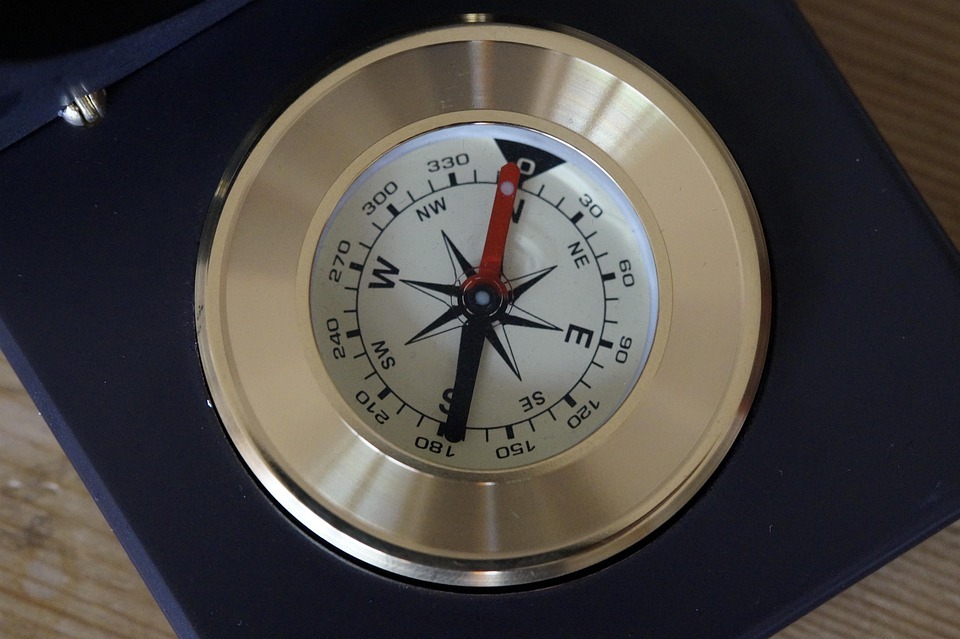
Maximizing visibility is crucial for safe and comfortable navigation in dark environments. Effective use of light sources, whether natural or artificial, dramatically improves situational awareness and reduces the risk of accidents. Understanding how to leverage these sources efficiently is key to navigating the darkness with confidence.Understanding the interplay between light and shadow, and how to manipulate these elements, is critical.
This includes knowing how to position light sources to illuminate critical areas while minimizing glare and maximizing the area of coverage. Furthermore, the type of light source employed, its intensity, and its beam characteristics are all factors influencing safety and comfort.
Maximizing Natural Light Sources
Natural light sources, when available, provide a cost-effective and often safer way to illuminate a path. Utilizing natural light involves strategic positioning and understanding how the sun, moon, or ambient light reflects off surfaces to create illumination. Observing patterns in natural light throughout the day and adjusting your path accordingly can significantly increase visibility. For example, a trail that is well-lit in the early morning might become much more challenging in the late evening due to the changing angle of the sun.
Utilizing Artificial Light Sources Effectively and Safely
Artificial light sources are indispensable in many dark environments. Careful selection and positioning are vital to ensure optimal visibility and avoid hazards like glare and blinding. This includes understanding the various types of portable lights, their respective advantages and disadvantages, and how to use them safely.
Types of Portable Lights and Their Uses
- Headlamps are highly practical for hands-free illumination during navigation. They are particularly useful for tasks requiring both hands, such as hiking or working on a project in a dark area. Headlamps provide a focused beam, making them suitable for illuminating a narrow path or a specific object.
- Flashlights, typically handheld, offer a wide range of intensities and beam patterns. They excel in illuminating wider areas or when you need to quickly assess a situation. Some flashlights include features such as adjustable focus and different beam modes (e.g., spot, flood).
- Lanterns, often larger and more powerful, are beneficial for creating a more extensive illuminated area. They are ideal for camping or outdoor activities where a significant area needs illumination. Lanterns often include multiple light sources, increasing the overall illumination area.
Light Source Positioning and Beam Control
Proper positioning of light sources directly impacts visibility. Focusing the light beam on the path ahead is crucial for maintaining a safe and comfortable pace. Avoid shining light directly into the eyes of yourself or others, as this can cause discomfort and reduced visibility. A good strategy involves using the light to illuminate obstacles and potential hazards along the path rather than aiming it at the ground directly in front of you.
By focusing on a wider area in front, you ensure that obstacles are visible, and maintain a good field of view.
Creating a Lighting Strategy for a Specific Dark Environment
Developing a lighting strategy for a specific dark environment involves careful consideration of the environment’s characteristics and the anticipated needs. This includes understanding the terrain, identifying potential hazards, and anticipating how light will behave in different areas. For example, a hiker traversing a dense forest will need a different strategy compared to someone navigating a dimly lit urban street.For a hiker in a dense forest, a headlamp with a focused beam and a wider flood setting would be ideal for illuminating the immediate path and any obstacles.
It would also be crucial to adjust the headlamp’s position based on the density of the trees and foliage to ensure that the beam is directed to the appropriate area. The hiker could carry an extra flashlight with a flood setting to increase the area of illumination when necessary, for example, if encountering a particularly thick patch of undergrowth.
Developing Sensory Awareness
Navigating in the dark requires a heightened awareness of your surroundings. This involves more than just sight; it necessitates actively engaging all your senses to gather information and assess potential hazards. Developing a strong sensory profile is crucial for a comfortable and safe journey through dimly lit or completely dark environments.Developing a keen awareness of your surroundings in the dark involves actively listening for sounds, recognizing smells, and feeling textures.
By combining these sensory inputs, you create a comprehensive understanding of the environment, allowing you to anticipate potential dangers and navigate with confidence.
Strategies for Improving Situational Awareness in Darkness
Developing situational awareness in darkness involves actively scanning your surroundings using all available senses. This proactive approach allows you to identify potential hazards before they become immediate threats. A thorough understanding of your environment is critical to safety.
Active Listening for Environmental Cues
Active listening in a dark environment is vital. By focusing intently on sounds, you can discern the source, nature, and distance of various noises. Distinguishing between the sounds of traffic, wind, or the movement of other individuals is paramount.
Utilizing Other Senses to Gather Information
Beyond hearing, utilizing other senses such as smell and touch provides valuable insights into the environment. The presence of unusual smells can signal the proximity of danger, such as leaking gas or the odor of chemical spills. Similarly, the texture of surfaces can indicate the presence of obstacles or potentially hazardous conditions.
Potential Sounds, Smells, and Textures Signaling Danger or Clues
| Category | Examples |
|---|---|
| Sounds | The screech of brakes, the clank of metal, the rumble of a vehicle, unusual footsteps, or the howl of an animal. |
| Smells | The smell of smoke, gas leaks, or chemicals. The presence of unfamiliar or strong odors can indicate danger. |
| Textures | Rough surfaces, uneven terrain, or the feel of wetness. These sensory inputs can warn of potential hazards. |
Developing a Comprehensive Sensory Profile for Navigating Dark Areas
Developing a comprehensive sensory profile is a process of integrating information gathered from all your senses. By consistently paying attention to sounds, smells, and textures, you develop a nuanced understanding of your surroundings. This enhanced awareness is critical for anticipating potential hazards and making informed decisions in dark environments. It involves continuous practice and refinement, as sensory acuity can be strengthened with deliberate effort.
Maintaining Balance and Mobility
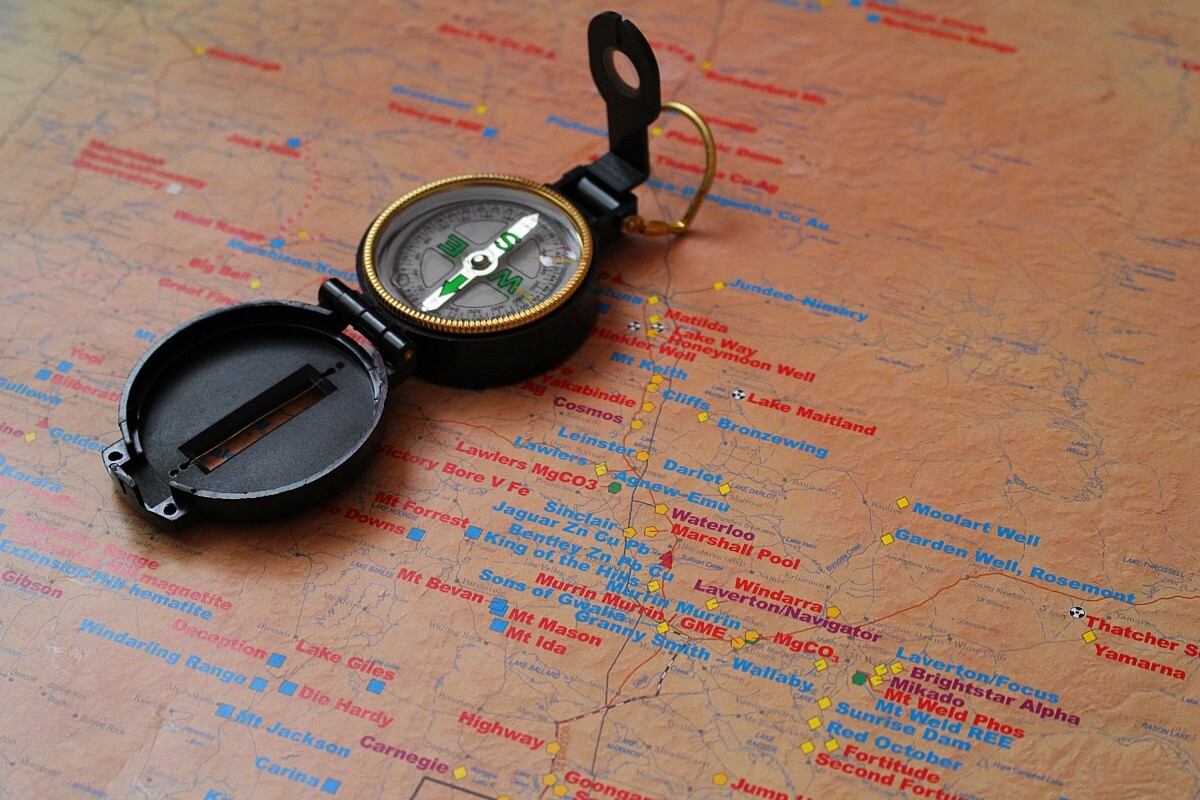
Maintaining balance and mobility is crucial for safe navigation in darkness. A loss of equilibrium can lead to falls, injuries, and disorientation, significantly impacting one’s ability to progress. This section Artikels strategies for preserving balance and ensuring safe movement in low-light conditions.
Importance of Balance and Stability
Maintaining a stable center of gravity is paramount in dark environments. Loss of balance can lead to falls, resulting in injuries ranging from minor bruises to severe fractures or head trauma. This is particularly critical in unfamiliar or uneven terrain where visual cues are limited. Understanding the terrain’s contours and adjusting your gait accordingly becomes essential.
Safety Precautions for Mobility in Dark Areas
Ensuring safe movement in dark areas involves several precautions. Reduced visibility necessitates a cautious approach, slowing down and increasing the distance between steps.
- Maintain a steady pace, avoiding sudden movements or stops.
- Keep your body centered and your weight balanced.
- Avoid distractions that could lead to a loss of focus.
- Use handrails, walls, or other physical supports for stability where available.
- Wear appropriate footwear that provides good traction on various surfaces.
Techniques for Using Handrails, Walls, or Other Physical Features
Utilizing handrails, walls, or other physical features for support is a crucial strategy for maintaining balance. The consistent touch of a stable surface provides a sense of security and stability.
- Grasp handrails or walls firmly, using both hands for support when possible.
- Adjust your grip as needed to maintain balance and control.
- Use a consistent and predictable rhythm of steps to maintain a steady pace.
- Be aware of the texture and condition of the surface to anticipate potential hazards.
- Avoid leaning too heavily on the support, maintaining a balanced posture.
Risks of Falling or Tripping in Dark Conditions
Falls and trips in dark conditions can result in a range of injuries, from minor scrapes to serious fractures. Reduced visibility significantly increases the risk of encountering unseen obstacles or uneven surfaces.
- Unseen obstacles and uneven surfaces are significant hazards in dark environments.
- Loss of footing on slick or uneven surfaces can lead to falls.
- Sudden changes in terrain elevation, such as steps or drops, present a substantial risk.
- Obstacles like debris, loose stones, or uneven ground are more challenging to navigate in darkness.
- Improper footwear or a lack of awareness of the environment can contribute to falls.
Guide to Safe and Efficient Movement Through Uneven Terrain at Night
Navigating uneven terrain at night requires a heightened awareness of potential hazards and a cautious approach. Thorough planning and the utilization of available resources are essential.
- Be mindful of changes in elevation and uneven surfaces. Adjust your stride and step accordingly.
- Use available lighting, such as flashlights or headlamps, to illuminate the path ahead.
- Employ a deliberate and measured gait, taking smaller steps and maintaining a stable posture.
- If possible, familiarize yourself with the terrain before navigating it in the dark.
- Consider using a walking stick or other assistive device for stability, especially on uneven surfaces.
Safety Precautions and Strategies

Navigating in the dark, while employing enhanced visibility and sensory awareness, demands a proactive approach to safety. Understanding potential hazards and developing appropriate response strategies are crucial for comfortable and secure movement. This section Artikels essential safety precautions and procedures to mitigate risks and ensure a safe experience.
Essential Safety Precautions
Taking proactive steps to ensure safety is paramount when navigating in darkness. These precautions create a protective framework against potential dangers. Be mindful of your surroundings, anticipate possible obstacles, and maintain a high level of awareness at all times. Prioritize personal safety by adhering to these guidelines.
- Maintain a steady pace: A cautious, measured pace allows for quicker reaction time and reduces the risk of tripping or falling. Avoid sudden movements that might disorient you.
- Carry a light source: A reliable flashlight or headlamp is indispensable. Ensure its batteries are charged, and keep extra batteries readily available. This provides crucial illumination for your path and allows you to see potential obstacles.
- Inform someone of your route and estimated return time: Sharing your itinerary with a trusted individual helps ensure someone knows where to find you and when to expect your return. This proactive measure provides peace of mind and a support system in case of unforeseen circumstances.
- Dress appropriately: Wear sturdy, comfortable footwear that provides adequate support and grip. Consider clothing that provides sufficient warmth, especially in cold conditions.
Emergency Contacts and Procedures
Establishing clear emergency contacts and procedures ensures swift action in case of an incident. This proactive measure provides a safety net in potentially hazardous situations. A pre-determined plan offers direction and assistance when needed.
- Emergency Contact List: Compile a list of emergency contacts, including family members, friends, or relevant authorities, with their phone numbers.
- Emergency Procedures: Artikel procedures for various scenarios, such as getting lost, experiencing injury, or encountering an unexpected person or situation. This detailed plan should specify steps to take in each scenario. This proactive approach minimizes confusion during an emergency.
Potential Dangers and Mitigation Strategies
Awareness of potential hazards and proactive mitigation strategies are crucial for safe navigation. Understanding these dangers allows for better preparedness and appropriate responses. Recognizing these dangers can help in preventing accidents and injuries.
- Obstacles: Dark environments often contain unseen obstacles such as uneven terrain, steps, or objects. Carrying a light source and maintaining a steady pace helps you identify these hazards.
- Animals: Wildlife can be encountered in natural or urban environments. Maintaining awareness and a safe distance from animals is crucial for your safety. Be cautious of their movements, and avoid sudden movements that might provoke them.
- Unfamiliar people: In some situations, you may encounter unfamiliar people. Maintaining a safe distance, avoiding eye contact, and if possible, keeping an escape route, are important considerations.
Responding to Unexpected Encounters
Developing strategies for unexpected encounters helps maintain safety and composure. These responses allow for a calm and measured reaction. Understanding potential situations allows for preparation and response.
- Unexpected people: If confronted by an unfamiliar person, avoid direct eye contact and maintain a safe distance. If possible, find a clear path to exit the area and alert someone for assistance.
- Dangerous animals: If encountering dangerous animals, stay calm, do not run, and try to create distance. If possible, seek assistance from a nearby authority.
- Unexpected sounds: Responding to unexpected sounds or noises requires a calm assessment of the situation. Try to determine the source of the sound and, if necessary, seek assistance.
Staying Aware of Your Surroundings
Maintaining awareness of your surroundings is paramount for safe navigation in the dark. This proactive approach to safety helps prevent accidents. Constantly scanning your environment, and adapting your movement based on your surroundings, minimizes risks.
- Continuous Awareness: Maintain a state of constant awareness of your environment. This includes monitoring your surroundings for potential obstacles, changes in your path, or unusual sounds.
Personal Protective Equipment (PPE)
Proper personal protective equipment (PPE) is crucial for navigating dark environments safely and comfortably. Understanding the specific hazards and selecting the right PPE can significantly reduce risks and enhance confidence. This section details various types of PPE, their advantages and disadvantages, and how to select and utilize them effectively.Selecting the appropriate PPE depends heavily on the nature of the dark environment.
Factors such as terrain, potential hazards (e.g., sharp objects, uneven surfaces, or chemical exposure), and personal needs (e.g., visual impairment or specific physical conditions) must be carefully considered.
Types of Personal Protective Equipment
Careful selection of PPE is vital for a successful and safe navigation in the dark. Different environments necessitate different types of protective gear. Below are some examples of suitable PPE for various dark environments.
- Head Protection: Head protection, such as helmets, is crucial in dark environments with potential for falls or head impacts. Helmets offer a protective barrier against impact, preventing severe head injuries. They are particularly important in navigating uneven terrain, navigating in dense forests, or working around construction sites in the dark. Materials like polycarbonate or ABS plastic are commonly used for their durability and impact resistance.
The design of a helmet may vary depending on the specific environment and activity. Some helmets may incorporate additional features, like built-in lighting or communication systems.
- Eye Protection: Eye protection, including goggles or face shields, is essential for safeguarding against flying debris, dust, or chemical splashes, especially in industrial or construction settings in low light conditions. Goggles protect the eyes from foreign particles and reduce the risk of eye injuries. Face shields provide broader protection, covering the entire face and preventing splashes or impact from various directions.
The materials used in eye protection vary, with polycarbonate and impact-resistant polymers being common choices for their ability to withstand various impacts. The design of goggles and face shields may vary depending on the type of hazards encountered. For example, safety glasses or goggles with side shields may offer better protection than standard safety glasses.
- Foot Protection: Appropriate footwear is essential for maintaining stability and preventing foot injuries. In dark environments, sturdy boots with good ankle support are highly recommended. Durable materials such as leather, rubber, or composite materials are often used for their resistance to abrasion, impact, and slip. The sole of the boot should provide good traction on various surfaces, especially when navigating uneven terrain.
Consider using specialized footwear with enhanced visibility features, like reflective strips, for added safety in low-light conditions.
- Hand Protection: Gloves provide protection for the hands, preventing cuts, scrapes, and burns. Selecting gloves depends on the task at hand. Work gloves made from leather or reinforced materials are often used for tasks requiring a high level of grip and protection. Other types of gloves, such as nitrile or latex gloves, may be used for protection against chemicals or specific hazards.
Appropriate glove selection ensures safety and comfort while navigating dark environments.
Choosing the Right PPE
Selecting the appropriate PPE is a critical aspect of navigating dark environments safely. The specific environment, the tasks involved, and the potential hazards must be considered. Detailed assessment of the situation is vital to avoid unforeseen dangers.
| Environment | Potential Hazards | Recommended PPE |
|---|---|---|
| Dense forest | Falling branches, uneven terrain, wildlife | Hiking boots, helmet, sturdy gloves, high-visibility jacket |
| Construction site | Falling debris, sharp objects, chemicals | Safety helmet, safety glasses/face shield, work gloves, safety boots |
| Industrial plant | Chemicals, moving machinery, falling objects | Safety helmet, safety glasses, chemical-resistant gloves, safety boots |
Selecting the right PPE is crucial for maintaining safety and comfort in dark environments.
Navigation Tools and Techniques

Navigating in low-light or dark environments requires careful consideration of available tools and techniques. Effective navigation relies not only on understanding the surrounding terrain but also on utilizing appropriate tools and employing strategies that maximize situational awareness. This section will cover the essential tools and methods for safely and confidently navigating in the dark.
Utilizing Maps in Dark Environments
Maps provide a crucial framework for understanding the terrain, even when visibility is limited. They depict the layout of the environment, highlighting key features like roads, trails, and obstacles. Understanding the scale of the map is paramount for accurate estimations of distances and directions. For optimal use in low-light conditions, maps should be large-scale and possess clear, bold markings.
Using a flashlight or headlamp to illuminate the map while maintaining a secure grip is vital.
Employing Compasses and GPS Devices
Compasses and GPS devices are indispensable tools for maintaining direction in the dark. A compass provides a fixed reference point, enabling users to determine true north and adjust their bearing accordingly. GPS devices offer more sophisticated navigation, utilizing satellite signals to pinpoint location and provide directions. The use of both a compass and a GPS device is often recommended for enhanced accuracy and redundancy.
These tools are especially valuable in unfamiliar environments or when visibility is severely restricted.
Practical Navigation Tools for Dark Areas
Various tools can enhance navigation in dark areas. A reliable flashlight or headlamp is critical for illuminating the path and surroundings. A high-quality, waterproof compass with a clear, well-lit face is another essential tool. Digital compasses with integrated GPS capabilities are increasingly popular for their ease of use and accuracy. For extended treks, a high-quality map and a portable GPS device are often included in a comprehensive navigation kit.
Interpreting Maps and Tools in Low-Light Conditions
Interpreting maps and other navigational tools in low-light conditions necessitates careful attention to detail. Use a bright light source focused on the map, while maintaining a steady grip to prevent accidental slippage. Identify key landmarks on the map that correspond to features in the environment. Familiarize yourself with the map’s legend and symbols. Practice using these tools in well-lit conditions to improve your understanding of how they work.
Estimating Distances and Directions
Accurate estimations of distances and directions are critical for navigation in dark environments. Utilize natural features as visual references to gauge distances and directions. Familiarize yourself with the terrain before the conditions become dark. If possible, practice your pacing technique in well-lit conditions. This will provide you with a baseline for estimating distances in the dark.
Use landmarks or natural features to guide your movement. The consistency of your pace and stride length is crucial for accurate estimations.
Methods for Effective Navigation Tool Use in Dark Environments
A structured approach to using navigation tools is vital in dark environments. Prioritize familiarization with the terrain and map before darkness falls. Maintain a steady pace and stride length when navigating. Use a consistent method for measuring distances and angles. Regularly check your location using your chosen tools.
If possible, have a backup method of navigation. Establish a route or path with clear markers and landmarks, especially if you are venturing into unfamiliar terrain.
Illustrative Scenarios and Examples
Navigating unfamiliar environments, especially in low-light conditions, requires a practical understanding of potential challenges and effective strategies. This section provides detailed examples of navigation scenarios, demonstrating how to apply learned principles for a safe and comfortable experience. Real-world situations are presented, illustrating the application of methods for problem-solving in darkness.
Forest Trail Navigation at Night
Navigating a forest trail at night presents unique challenges, demanding heightened awareness of the surroundings and the use of appropriate tools. The lack of visibility necessitates reliance on other senses and pre-planned routes.
- Scenario Description: A hiker, unfamiliar with the forest trail, enters the woods after dark. The trail is marked with faded, barely visible markers, and the terrain is uneven, including roots and fallen logs. The hiker is carrying a headlamp, a map, and a compass.
- Navigation Challenges: The hiker is unsure of the correct trail, struggles to see the markers, and must avoid obstacles while maintaining balance.
- Methods for Solving Navigation Challenges: The hiker should use the headlamp to illuminate the trail markers and surrounding area, ensuring clear visibility. The compass should be used in conjunction with the map to confirm the trail direction and maintain course. Carefully stepping over obstacles, using the headlamp to illuminate their path, is crucial for balance and safety. The hiker should maintain a steady pace, taking small steps and observing the terrain closely.
- Comparison of Strategies: Relying solely on the map and compass might lead to errors if the map is not accurate or the markers are not properly aligned. Combining the map, compass, and headlamp allows for cross-referencing, increasing accuracy and minimizing the risk of getting lost. Utilizing the hiker’s senses, such as sound and touch, provides additional information about the environment, enhancing situational awareness.
Finding Your Way Home in a Dark City
Navigating a dark city environment necessitates a blend of familiarity with the area, awareness of potential dangers, and use of available resources. Remembering landmarks, utilizing digital tools, and avoiding isolated areas are crucial for safety.
- Scenario Description: A late-night individual, unfamiliar with a city’s layout, has lost their way in a densely populated, dimly lit urban area. They have a smartphone with a map application, but no other navigation tools.
- Navigation Challenges: The lack of clear visual cues, potential hazards (like uneven pavements, poorly lit streets, or crowds), and the unfamiliar environment create challenges.
- Methods for Solving Navigation Challenges: The individual should rely on the smartphone’s map application, utilizing its features like turn-by-turn directions. The individual should rely on the smartphone’s map application, utilizing its features like turn-by-turn directions. Recognizing prominent landmarks (e.g., major intersections, tall buildings) and using those as reference points can be helpful. Maintaining awareness of surroundings, being mindful of their personal belongings, and avoiding potentially dangerous areas (such as deserted or poorly lit streets) are essential.
- Comparison of Strategies: Using the smartphone’s GPS and map features is highly effective for guidance in urban environments. Combining the use of GPS with recognition of landmarks provides a more reliable method of navigation than relying on GPS alone. Avoiding isolated areas and maintaining alertness reduces potential risks.
Practical Exercises and Drills
Developing proficiency in navigating dark environments requires dedicated practice. Effective exercises create a safe and controlled learning environment to hone skills without the inherent dangers of real-world navigation. These drills help build confidence and refine responses to unexpected situations, leading to more efficient and safer navigation in the dark.Simulated environments offer a valuable tool for practicing navigation skills.
The controlled nature of these environments allows for precise monitoring of technique and the gradual progression of difficulty, enabling participants to improve their skills step-by-step. Careful planning and implementation of exercises are crucial to ensure both effectiveness and safety.
Designing Simulated Dark Environments
Creating realistic simulated dark environments is key to effective practice. These environments should mimic the challenges of real-world navigation, such as varied terrain, obstacles, and limited visibility. Factors like the level of darkness, the types of obstacles, and the presence of noise should be carefully considered. These factors should be carefully calibrated to create progressively challenging scenarios.
Exercise Progression
A structured progression of exercises is essential for developing skills gradually. Beginners should focus on basic tasks, like navigating simple, low-obstacle courses. Intermediate participants should tackle more complex environments, including obstacles of varying heights and materials. Advanced participants can work on scenarios with more complex terrain and navigation challenges, like navigating around a maze or finding a specific point in a large space.
Methods for Enhancing Navigation Skills
Various methodologies can be employed to enhance navigation skills. One method involves using a combination of visual and auditory cues. Another method involves focusing on the use of tactile cues, which can be particularly valuable in challenging environments. These methods can be combined and adjusted to suit the specific needs and skill levels of participants.
Safety Considerations
Safety is paramount in all exercises. Ensure the environment is well-lit and monitored, with trained personnel present to supervise participants and respond to any incidents. Clear communication channels and emergency protocols should be established. Proper equipment, including appropriate lighting, should be provided and used correctly.
Adaptive Exercise Design for Different Skill Levels
Exercises must be adaptable to cater to varying skill levels. For beginners, exercises should be short and simple, focusing on basic navigation techniques. Intermediate participants can handle progressively more complex tasks and obstacles. Advanced participants should work on tasks that challenge their problem-solving skills and decision-making abilities in dynamic environments.
Importance of Repetition and Practice
Repetition is key to mastering navigation skills. Regular practice reinforces learned techniques and improves reaction times. Consistent repetition builds muscle memory and allows individuals to develop instinctive responses to challenges. Regular practice sessions are important for retaining and improving skills.
Comparison of Exercise Methodologies
Different exercise methodologies offer unique advantages. Using a combination of visual and auditory cues can improve spatial awareness. Focusing on tactile cues can be invaluable in low-visibility environments. Comparing the effectiveness of various methodologies can help optimize training programs. The best approach depends on the specific needs and skill levels of participants.
Final Summary
In conclusion, mastering night navigation involves a multifaceted approach that combines environmental awareness, enhanced visibility, and heightened sensory awareness with safety precautions and proper use of tools and techniques. This comprehensive guide has provided a detailed framework for safely and comfortably navigating dark environments, equipping you with practical strategies for various scenarios. Remember, consistent practice and attention to detail are crucial for developing the necessary skills to navigate the night with confidence and assurance.