Embark on your next camping adventure with confidence and ease, knowing your gear is meticulously organized. This comprehensive guide unveils strategies for maximizing space, minimizing clutter, and ensuring every essential item is readily accessible. From initial gear categorization to maintaining order throughout your trip, we’ll explore proven methods to create an uncluttered and enjoyable campsite experience.
This guide provides practical tips for packing, storing, and arranging your gear, making your camping trips more efficient and less stressful. Learn how to optimize your space, whether you’re packing a day trip or embarking on a multi-day adventure.
Gear Categorization
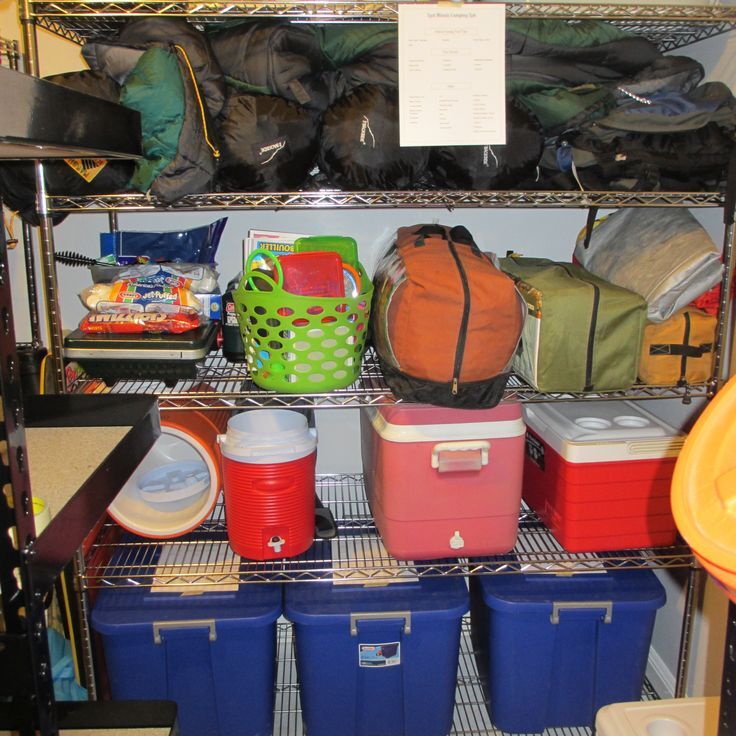
A well-organized campsite is a key component of a successful and enjoyable camping trip. Categorizing your gear ensures easy access to the items you need, minimizing stress and maximizing your time outdoors. Proper labeling and a dedicated system for storage significantly contribute to a smoother camping experience.A structured approach to gear organization simplifies packing, unpacking, and finding specific items throughout the trip.
This method fosters a more relaxed and efficient camping environment, enabling you to focus on the experience rather than searching for misplaced equipment.
Gear Category Breakdown
A fundamental aspect of campsite organization involves categorizing gear into logical groups. This approach streamlines the packing and unpacking process, leading to a more efficient and less stressful experience. The primary categories for camping gear include: cooking, sleeping, clothing, personal care, and miscellaneous items. Each category should contain only relevant items, and items that don’t belong in a category should be moved to another one.
Labeling and Identification System
A consistent labeling system enhances the organization of camping gear. Each category should have a distinct label, making it simple to identify and locate the necessary items. For instance, a brightly colored tag or a clearly written label for each category will greatly assist in maintaining an organized campsite. This could be a colored sticker with the category name, or a clearly visible label on a container or bag.
This approach prevents confusion and significantly reduces the time spent searching for specific items.
Gear Inventory Table
This table provides a template for recording your camping gear. By cataloging your equipment, you can accurately track what you own, its quantity, and its location within the campsite.
| Gear Type | Quantity | Location in Campsite | Packing System |
|---|---|---|---|
| Cooking Utensils | 6 | Cooking Area | Waterproof Container |
| Cooking Stove | 1 | Cooking Area | Dedicated Stove Bag |
| Sleeping Bags | 2 | Sleeping Area | Compression Sack |
| Sleeping Pads | 2 | Sleeping Area | Compression Sack |
| Clothing | 10 | Clothing Storage | Large Backpack |
| First-Aid Kit | 1 | First-Aid Kit | Dedicated First-Aid Kit |
| Headlamps/Flashlights | 2 | Personal Storage | Small Backpack |
| Camp Chairs | 2 | Sitting Area | Carry Case |
| Tent | 1 | Tent Area | Dedicated Tent Bag |
Packing Strategy
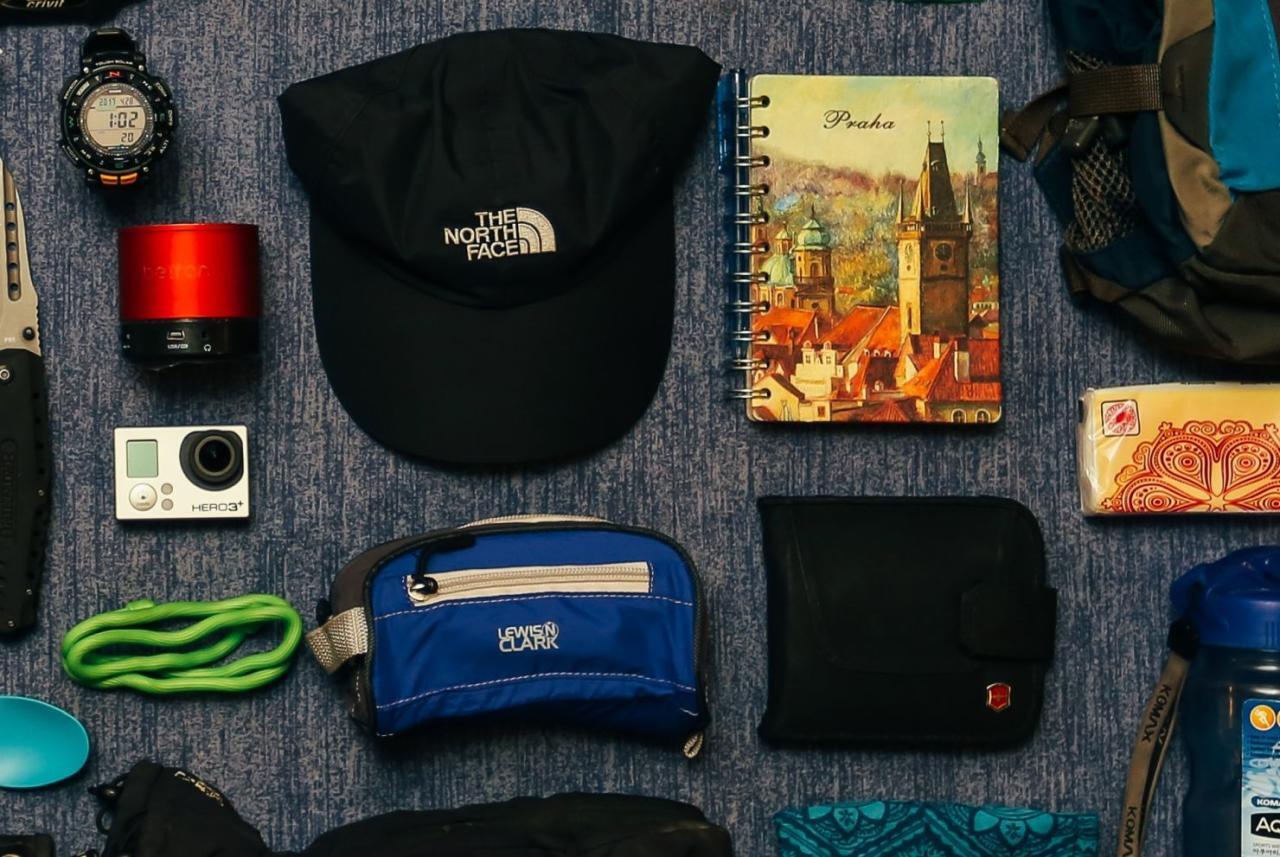
Minimizing the amount of gear you carry on a camping trip directly translates to a more enjoyable experience. A well-planned packing strategy reduces the weight you bear, simplifies setup, and allows for more time spent enjoying the outdoors. Efficient packing techniques also minimize the chance of forgetting crucial items, ensuring a comfortable and successful trip.Careful consideration of the trip’s duration and the specific activities planned will significantly influence the gear you need.
Prioritizing essential items and eliminating unnecessary extras is key to a streamlined packing process. This section details various packing strategies, including those for backpacks and vehicles, and provides example packing lists for different trip durations.
Minimizing Items to Carry
To reduce the number of items carried, a crucial step is to evaluate the necessity of each piece of gear. Consider what activities you’ll be undertaking during your camping trip. If you plan to primarily hike, you may not need a bulky tent, for instance. If you primarily plan on relaxing, you may not need advanced mountaineering equipment.
Assess what equipment you already own, and choose the best suited gear for the planned activities. This evaluation process ensures you only bring essential items.
Organizing Gear in a Backpack
A well-organized backpack is crucial for easy access to gear. The heavier items should be placed near the back and bottom of the backpack for better weight distribution. Consider using compression straps to secure the gear and prevent shifting. Smaller items can be stored in zippered pockets or compartments. Using packing cubes can effectively organize clothing and other small items, further improving the efficiency of the packing process.
Backpack Packing List
This list provides a structure for organizing gear in a backpack, suitable for a weekend camping trip.
- Shelter: Tent, poles, stakes, rain fly.
- Sleeping System: Sleeping bag, sleeping pad, pillow.
- Clothing: Base layers, mid-layers, outer shell, underwear, socks.
- Cooking and Food: Stove, fuel, cookware, food, utensils, water bottles.
- Personal Items: First-aid kit, toiletries, sunscreen, insect repellent, headlamp, map, compass, knife, personal medications, phone, charger, and extra batteries.
- Other: Camp chairs, cooler, trash bags, lighter or matches.
Packing List for Varying Trip Durations
The duration of the camping trip directly influences the quantity and types of gear needed. A weekend trip requires less gear than a multi-week expedition.
| Trip Duration | Key Considerations |
|---|---|
| Weekend | Focus on essential items for overnight stay. Choose lightweight clothing and a compact tent. |
| Multiple Days | Include additional clothing layers, a larger cooler, and extra food provisions. Consider a more robust tent for multiple nights. |
| Multi-Week | Pack for longer trips, including provisions for extended cooking, more robust clothing, and extensive first aid kit. |
Campsite Organization
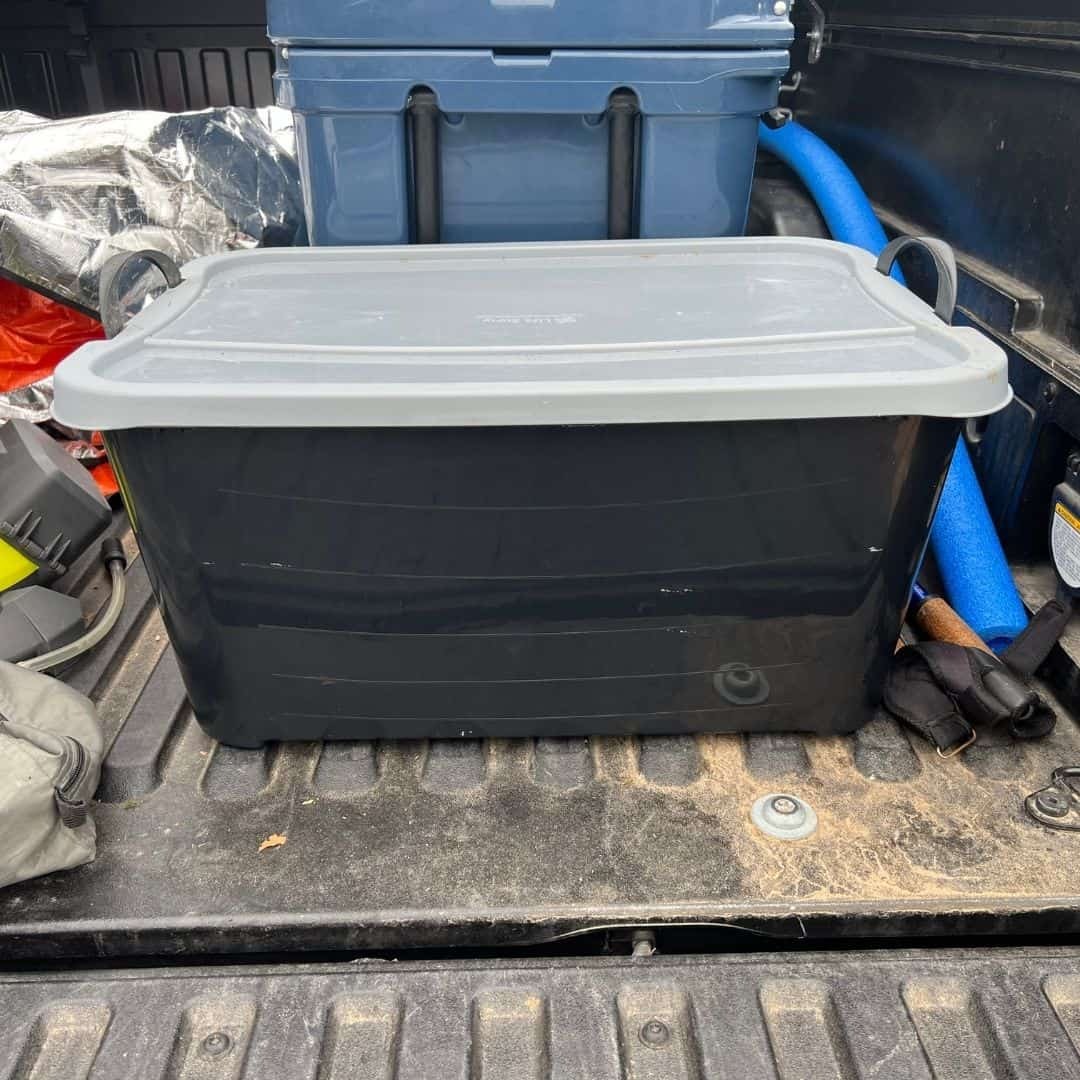
Creating a well-organized campsite enhances your camping experience by making gear readily accessible and minimizing the risk of injury or frustration. A thoughtful layout significantly contributes to a more enjoyable and efficient stay, whether you are camping solo or with a group. Effective organization also helps to maintain a clean and aesthetically pleasing campsite, fostering a sense of calm and order.A strategically planned campsite layout prioritizes easy access to frequently used items.
This includes placing cooking equipment near the cooking area, water containers near the water source, and sleeping gear close to the designated sleeping area. This approach reduces unnecessary movement and time spent searching for essentials, allowing you to focus on enjoying the outdoors. By carefully arranging your campsite, you are creating a more functional and comfortable environment.
Optimal Layout for Easy Access
A well-organized campsite prioritizes ease of access to frequently used items. This involves positioning essential equipment like cooking gear, water containers, and sleeping gear in locations that are convenient to reach. Strategically placing these items minimizes wasted movement and time spent searching for necessary items. This efficient setup allows for a smoother, more enjoyable camping experience.
Storing and Arranging Gear Within the Campsite
Proper storage of camping gear within the campsite is crucial for maintaining order and accessibility. Utilize designated storage areas for each category of equipment. Use durable storage containers or backpacks to keep items organized and protected from the elements. This method ensures items are readily available while keeping the campsite tidy.
Recommended Placement of Gear Types
This table provides a suggested layout for your campsite, considering the ease of access to various gear types:
| Gear Category | Recommended Placement | Rationale |
|---|---|---|
| Cooking Equipment | Near the cooking area | Ensures quick access to pots, pans, and utensils during meal preparation. |
| Water Containers | Near the water source (e.g., river, lake) | Minimizes distance for filling and refilling water containers. |
| Sleeping Gear | Near the designated sleeping area | Convenient access to sleeping bags, pillows, and blankets before bedtime. |
| First-Aid Kit | Easily accessible location, near the entrance | Ensures quick access to essential medical supplies in case of minor injuries. |
| Food Storage | Secure, dry location away from direct sunlight | Prevents spoilage and keeps food safe from pests. |
| Clothing | Designated storage area, preferably in a waterproof container | Keeps clothing dry and prevents items from getting lost or damaged. |
| Camp Chairs/Tables | Near the cooking and eating area | Allows for comfortable seating during meals and other activities. |
Items Needed for Camp Setup
A comprehensive list of items needed for setting up a campsite includes tents, sleeping bags, cooking equipment, food and water, and essential supplies such as a first-aid kit, and any personal items needed. Having a pre-determined checklist ensures that nothing is forgotten, enabling a seamless and well-prepared camping experience.
Gear Storage Solutions
Proper gear storage is crucial for a smooth and enjoyable camping experience. It ensures your equipment remains protected from the elements, preventing damage and extending its lifespan. Furthermore, organized storage simplifies setup and takedown, reducing stress and maximizing your time outdoors.Careful consideration of storage solutions is essential for maintaining the integrity of your gear, regardless of the type of camping trip.
This includes protecting against moisture, theft, and physical damage, while optimizing accessibility and ease of use. Implementing the right strategies will contribute significantly to a positive camping experience.
Dry Storage Solutions
Effective dry storage is vital for preserving the condition of your gear. Moisture can lead to rust, mildew, and other forms of damage. Several options exist for keeping your equipment dry and safe.
- Waterproof bags and containers are a fundamental part of any camping gear storage strategy. These bags are designed to repel water, offering a barrier against moisture and precipitation. Various sizes are available, ensuring a fit for all types of gear. High-quality waterproof bags can be reused year after year.
- Gear sacks, often made of durable, water-resistant materials, are another great option for protecting clothing, smaller electronics, and other sensitive items. These sacks can be rolled and tied, offering simple yet effective storage. Consider using multiple gear sacks to better organize different categories of gear.
- Storing gear in a covered area or tent provides additional protection. If possible, a dedicated shed or garage space for storage can protect gear from the elements when not in use.
Securing Gear Against Theft and Damage
Protecting your gear from theft and damage is paramount. Camping in populated areas, or in remote areas with the potential for wildlife interactions, necessitates implementing security measures.
- Utilizing locking mechanisms on containers and storage areas is a fundamental step in theft prevention. Locking storage boxes or securing gear within a locked vehicle can deter potential thieves.
- Consider using a sturdy backpack or duffel bag with a strong, secure closure. This helps prevent unwanted access and theft. Using multiple layers of security, such as a lock combined with a well-concealed storage location, can significantly increase the level of protection.
- In areas with potential wildlife issues, storing food and scented items in designated, sealed containers or bear-resistant canisters is critical. This prevents wildlife from being attracted to your campsite, reducing the risk of encounters.
Using Storage Containers for Organization
Using storage containers enhances organization and accessibility. Properly sized containers allow for easy identification and retrieval of gear.
- Plastic storage bins, with varying sizes and shapes, provide versatile options for organizing camping gear. These containers are lightweight, durable, and water-resistant, making them a great choice for many camping situations.
- Fabric storage bins offer a more aesthetically pleasing alternative to plastic, with the added benefit of being foldable and compact when not in use. These bins are great for storing clothes and smaller items.
- Consider labeling containers to quickly locate specific items. Using clear labels, with the contents of each container clearly indicated, significantly improves organization and accessibility. This simple step saves valuable time during set up and take down.
Storage Solutions for Various Camping Environments
Choosing the right storage solution depends on the type of camping trip. Different environments require different levels of protection.
- For car camping, consider using waterproof bins and large duffel bags for storage in the car, along with locking mechanisms. This ensures protection against the elements and potential theft.
- For backpacking trips, smaller, lightweight containers and waterproof bags are essential for organizing and protecting gear. Consider using compression sacks for maximizing space efficiency.
- For glamping or RV camping, larger storage containers and modular shelving units can be employed to optimize space and organization. Locking mechanisms and security features should be considered in all cases.
Minimizing Clutter
Effective campsite organization hinges on minimizing clutter. Overpacking leads to a cumbersome and stressful trip, often resulting in wasted time and effort. By strategically curating your gear and adopting efficient packing methods, you can create a more enjoyable and less chaotic camping experience. A well-organized campsite is a sign of a well-planned trip.Careful consideration of your camping needs and a thoughtful approach to packing are key to preventing unnecessary clutter.
This involves understanding what equipment is essential for your chosen activities and terrain. Essential items should be prioritized over luxuries to keep your gear list manageable.
Avoiding Overpacking
Overpacking is a common pitfall for campers. To prevent this, carefully evaluate the type of camping trip planned and the expected weather conditions. A multi-day backpacking trip will require a different set of gear than a weekend camping trip. Consider the duration, activities, and environment. This pre-trip evaluation will help you select only the essential items.
Essential Gear for a Specific Trip
Defining essential gear for a particular trip requires careful planning. For example, if you’re camping in a wooded area, insect repellent and a first-aid kit are crucial. If you’re planning a fishing trip, fishing gear will be a necessity. Consider the specific activities and needs of the trip. Creating a checklist for each type of trip can be helpful.
Items to Leave Behind
A crucial aspect of minimizing clutter is knowing what to leave behind. Luxury items such as extra pillows, elaborate cookware, and numerous clothing items are often unnecessary. For instance, a single set of high-quality, versatile camping clothes might replace a collection of specialized outfits. Focus on function and versatility over quantity. A detailed checklist of items to leave behind can help.
This list should include items that are seldom used or are not essential for the type of camping trip planned.
- Extra blankets or pillows (unless for extreme weather)
- Unnecessary cookware (e.g., multiple sets of plates and utensils if not for large groups)
- Excessive clothing (versatile clothing options are more efficient)
- Unnecessary electronics (consider the necessity of additional devices)
- Sporting equipment not related to the planned activities
Using Packing Cubes or Compression Sacks
Packing cubes and compression sacks are valuable tools for minimizing bulk and maximizing space in your backpack or gear bag. They help to keep items organized and separated. For example, using packing cubes for clothing will prevent clothes from becoming wrinkled and easily organize them. This can also help in preventing mixing of items. Strategically using these tools can significantly reduce the overall size and weight of your gear.
- Packing Cubes: Organize clothes and smaller items separately.
- Compression Sacks: Compress bulky items like sleeping bags and pillows to save space.
- Combination Use: Utilize both to maximize organization and space efficiency.
Maintaining Organization
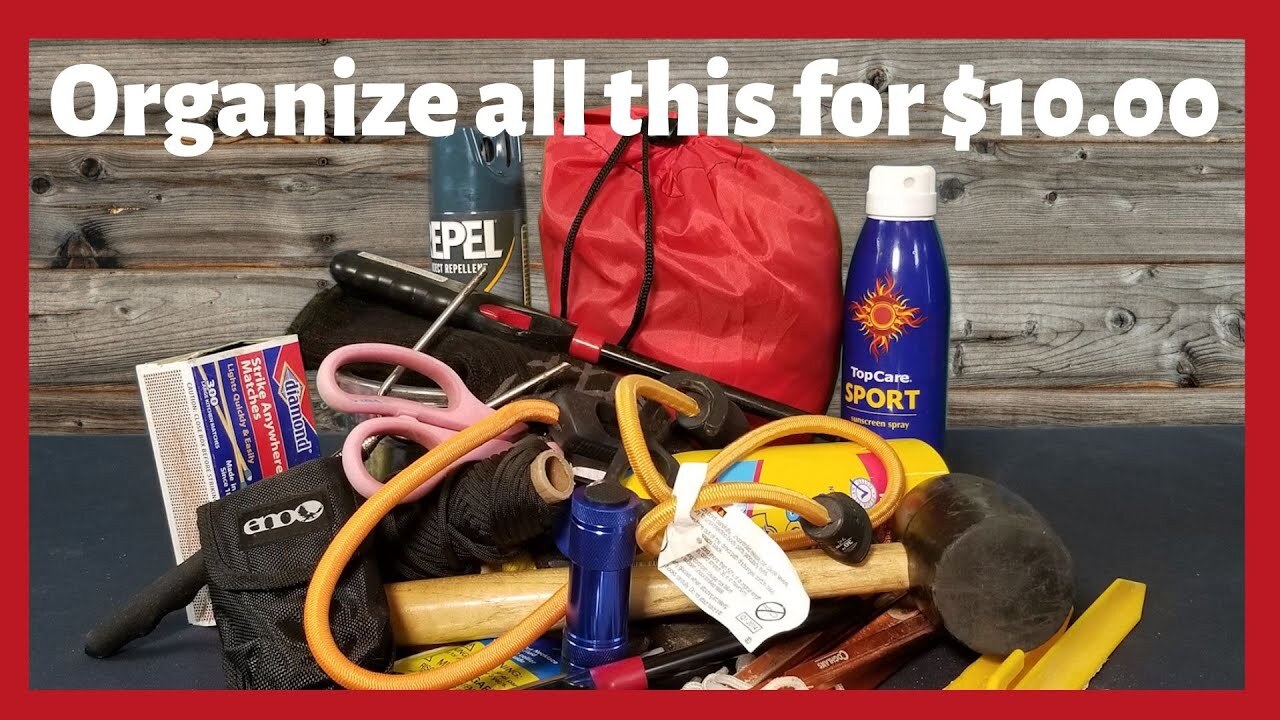
Maintaining a clutter-free campsite throughout your trip requires proactive routines and strategies. Consistent effort in cleaning up and storing gear after use, coupled with a thoughtful packing-up process, ensures a comfortable and enjoyable experience. This section details effective strategies for keeping your campsite organized and accessible.A well-organized campsite is more than just aesthetics; it enhances the overall camping experience by reducing stress, saving time, and improving safety.
Efficient organization allows you to quickly locate necessary items, minimizing delays and potential frustration.
Daily Cleaning and Gear Storage Routines
A daily routine for cleaning up and storing gear helps prevent clutter from accumulating. This practice reduces the burden of a large cleanup at the end of the trip, making the process less overwhelming. By incorporating these practices into your daily schedule, you maintain a consistently organized campsite, and a positive mood.
- After each meal: Immediately clean up all food debris and dispose of trash. Wipe down tables and any surfaces that may have gotten soiled. This minimizes the build-up of messes, and helps prevent pests.
- After using cooking equipment: Clean and store all cooking utensils and cookware in designated spots. Properly dispose of any used cooking oil or grease. This prevents odors from accumulating, and keeps the cooking area hygienic.
- After using water sources: Ensure that water sources are cleaned and stored. Dispose of any used water bottles or containers. This prevents the spread of bacteria and keeps the area fresh and clean.
- After each activity: Put away any gear used, such as hiking boots, backpacks, or fishing rods. Store them in designated areas to avoid them becoming scattered.
Packing Up Camp Efficiently
A well-structured packing-up process is crucial for efficient campsite organization. This approach ensures that everything is returned to its designated place, minimizing the need for last-minute searching.
- Designated Area: Establish a designated area for collecting items to be packed up. This area will serve as a central hub for packing and organizing all gear.
- Systematic Approach: Start with one section of the campsite, such as the cooking area, and work systematically through the entire site. This ensures that nothing is missed during the process.
- Pack in Reverse Order: Pack items in reverse order of use. For example, pack away the cooking utensils and equipment before packing away the food items.
- Check Everything: Thoroughly check all areas of the campsite before leaving to ensure nothing is left behind. This includes checking for trash, food debris, or forgotten items.
- Store Gear Properly: Store all gear properly in designated bags or containers. This will help keep everything organized and protected.
Strategies for Keeping Gear Organized and Accessible
Effective strategies for keeping gear organized and accessible during the trip enhance the camping experience by ensuring easy access to necessary items. Using well-organized storage solutions, you avoid unnecessary searching and wasted time.
- Color-Coding: Use color-coded bags or containers to group similar items. This will make it easy to locate items based on color.
- Labeling: Label all bags and containers with their contents. This aids in identifying items quickly and efficiently.
- Designated Spots: Designate specific spots for each piece of gear. This ensures that items are consistently stored in the same location, and avoids clutter.
- Utilize Storage Solutions: Utilize various storage solutions such as waterproof bags, dry bags, or storage containers to keep items dry and organized.
- Gear Inventory: Create a gear inventory to track all items, which can help with packing and unpacking.
Visual Aids
Visual aids are invaluable tools for effectively communicating and visualizing the strategies for organizing your campsite and gear. They provide a clear, concise overview of the organization system, making the process easier to understand and replicate. By incorporating visual representations, the principles of efficient campsite organization become tangible and relatable.
Campsite Layout Diagram
A well-organized campsite layout minimizes movement and maximizes efficiency. The diagram below illustrates a suggested layout, showcasing designated areas for tents, cooking, storage, and relaxation. This layout prioritizes accessibility and reduces the need for excessive walking.
Diagram shows a rectangular area with a designated tent zone, cooking area, storage area, and a relaxation zone. Paths are clearly marked, allowing easy movement between these areas. The storage area features a rack or shelving system for gear.
Vehicle Gear Placement
Efficient vehicle packing is crucial for easy transport and minimizing stress at the campsite. The table below details a suggested placement strategy, ensuring important gear is readily accessible during the journey.
| Gear Category | Placement in Vehicle |
|---|---|
| Cooking Supplies | Front passenger seat area or center console for easy access |
| Sleeping Bags/Pillows | Trunk, preferably in a separate compartment for easy loading/unloading. |
| First Aid Kit | Easily accessible location, such as the glove compartment |
| Tent and Poles | Trunk, possibly rolled up to save space |
| Food | Coolers or designated area to maintain proper temperature |
| Clothing | Backseat or trunk to keep it separate from gear and food. |
Packing Techniques
Proper packing techniques are essential for minimizing clutter and maximizing space. The following images showcase different packing strategies.
Technique 1: Rolling Clothing This method minimizes wrinkles and maximizes space. Rolled clothing is placed inside a backpack or duffel bag. This prevents items from shifting during transport and allows for easy access to specific items.
Technique 2: Compression Packing Using compression bags for bulky items like sleeping bags and clothing. This method significantly reduces the volume of gear, saving space and preventing items from shifting.
Technique 3: Gear Organization within Backpacks Using smaller backpacks or packing cubes for organizing gear within a larger backpack or duffel bag. This allows for quick and easy retrieval of specific items.
Final Summary
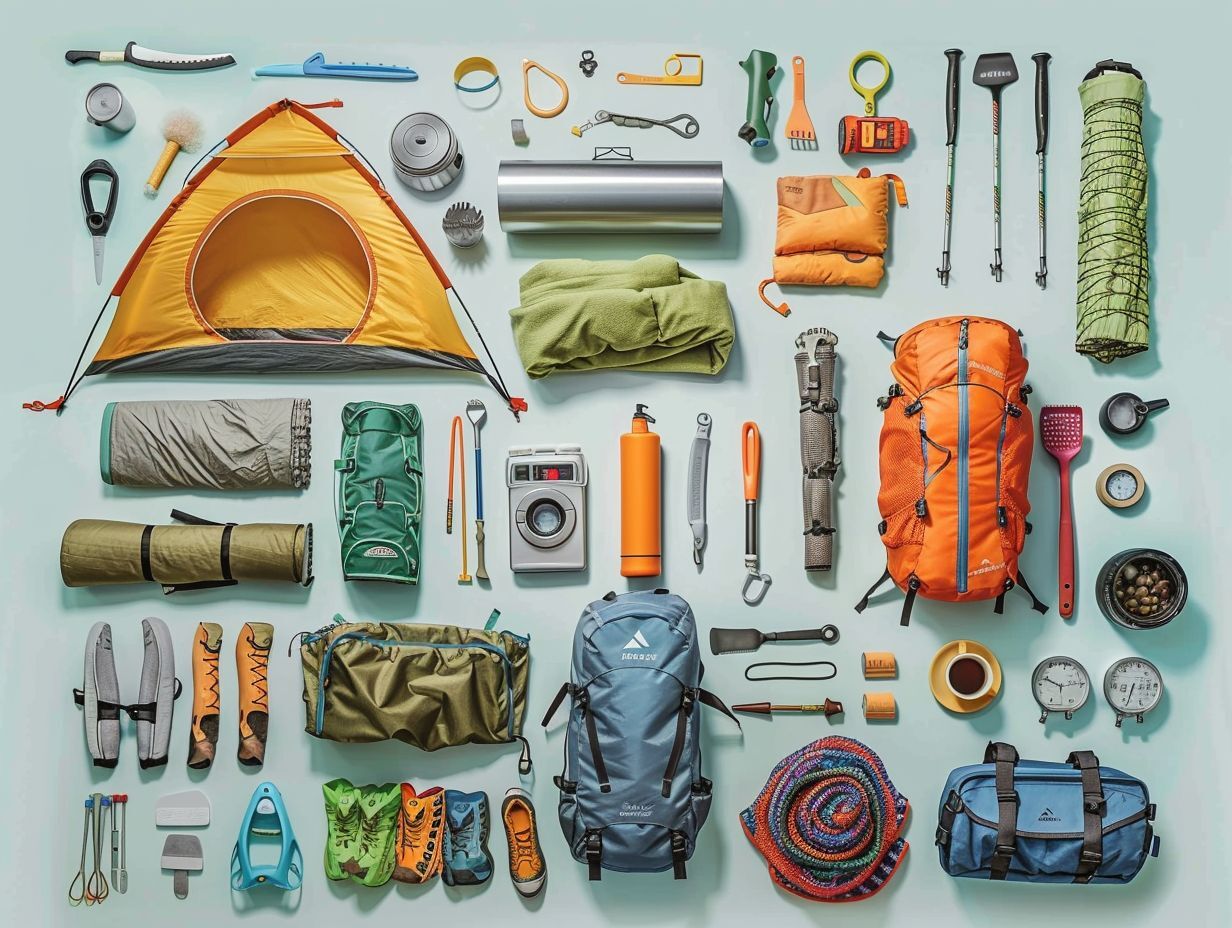
In conclusion, a well-organized campsite fosters a relaxing and enjoyable camping experience. By employing the strategies Artikeld in this guide, you can streamline your packing process, optimize campsite layout, and ensure that your gear is readily accessible throughout your trip. This meticulous organization will contribute significantly to the overall enjoyment of your camping adventures, freeing you to focus on the beauty of nature and the company of those around you.