Embarking on a camping adventure often involves a careful balance between enjoying the outdoors and minimizing the weight of your gear. This guide delves into the art of packing a minimalist toiletry kit, offering practical advice for creating a sustainable and efficient approach to personal hygiene while camping. We’ll explore essential items, waste reduction strategies, and personal hygiene considerations, all tailored for a memorable and eco-conscious experience.
From choosing versatile products to optimizing packing strategies, this comprehensive guide provides a detailed framework for constructing a minimalist toiletry kit that perfectly complements your camping trip. We’ll address diverse scenarios, from weekend getaways to multi-day hikes, offering solutions that accommodate various needs and preferences.
Essential Items
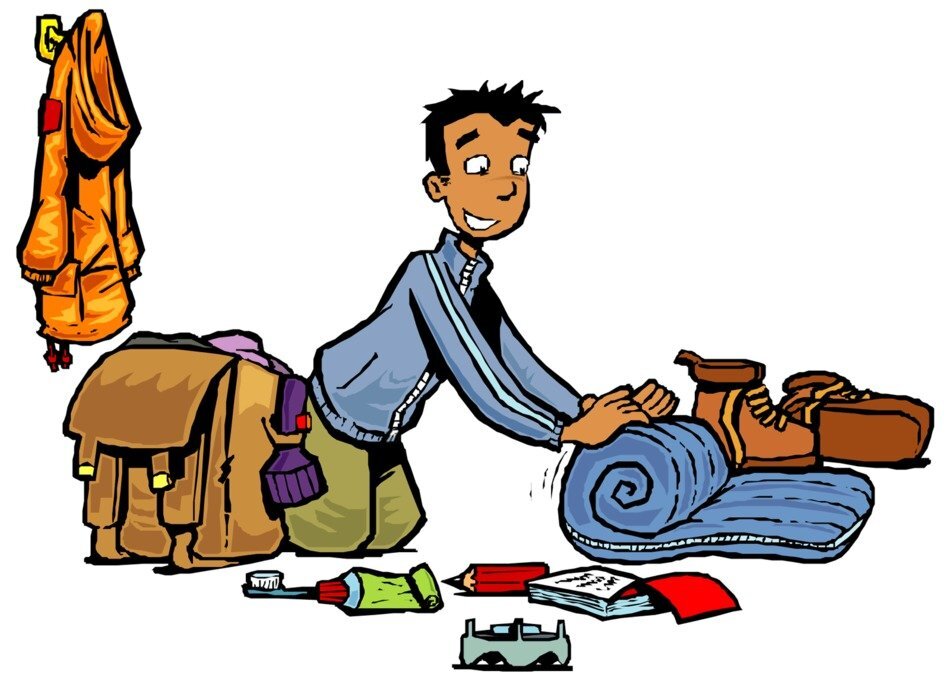
A minimalist camping toiletry kit prioritizes essential items for hygiene and comfort, minimizing weight and maximizing functionality. This approach ensures you have what you need without unnecessary bulk, allowing for a more enjoyable and streamlined camping experience. Choosing versatile products that combine multiple uses is key to keeping the kit compact and effective.
Fundamental Toiletries for Minimalist Camping
To create a truly minimalist toiletry kit, focus on products that serve multiple purposes. This reduces the overall number of items required, saving space and weight. For instance, a multi-use soap can replace separate hand soap and body wash, while a lip balm can serve as a moisturizer for chapped hands or lips.
- Multi-Use Soap: A high-quality, moisturizing soap is a crucial item, as it can effectively clean hands, face, and body. Look for a soap that lathers well and leaves skin feeling clean and soft.
- Toothbrush and Toothpaste: A compact travel toothbrush and a small tube of toothpaste are essential for oral hygiene. Look for travel-sized options for optimal space saving.
- Shampoo/Conditioner 2-in-1: A travel-sized shampoo/conditioner 2-in-1 set is lightweight and saves space. Choose a formula that is effective and doesn’t weigh you down.
- Deodorant: A roll-on deodorant is a must-have for maintaining freshness throughout the camping trip. Opt for a travel-sized version for convenience.
- Sunscreen: Protect your skin from the sun with a broad-spectrum sunscreen. A travel-sized bottle is ideal for portability.
- Lip Balm: A moisturizing lip balm is a versatile product, useful for chapped lips, cuticles, or even as a quick hand moisturizer.
- Insect Repellent: A lightweight insect repellent is essential for protection against bites, especially in outdoor environments.
- First-Aid Kit: A compact first-aid kit is crucial for minor cuts, scrapes, or other minor injuries.
- Wet Wipes: Wet wipes are convenient for quick hand cleaning and general hygiene maintenance when access to water is limited.
- Feminine Hygiene Products (if applicable): Include appropriate feminine hygiene products, such as tampons or pads, in a compact and discreet manner.
- Hairbrush/Comb: A compact brush or comb is important for maintaining hair style.
- Small Towel: A microfiber towel is lightweight, dries quickly, and is excellent for cleaning after showering or washing hands.
Choosing Multi-Functional Products
Combining multiple functions in one product is key to minimizing the number of items in your toiletry kit. For instance, a lip balm can serve as a hand moisturizer, and a multi-use soap can effectively clean hands, face, and body. This approach significantly reduces the overall weight and size of the kit.
Comparative Analysis of Travel-Sized Toiletries
A comparison of travel-sized toiletries from different brands can help you choose products that meet your needs and budget. Consider factors like durability, size, and cost-effectiveness when making your selection.
| Brand | Product | Durability | Size | Cost-Effectiveness |
|---|---|---|---|---|
| Brand A | Travel Soap | Good | Compact | Moderate |
| Brand B | 2-in-1 Shampoo/Conditioner | Excellent | Very Compact | High |
| Brand C | Sunscreen | Average | Compact | Low |
Compact Packing Methods
Organizing your toiletries in a compact and easily accessible manner is essential for a seamless camping experience. Consider using a small, waterproof toiletry bag or a dedicated section in your backpack to store your items. Rolling or folding items to minimize bulk and using ziplock bags to keep items separate are also helpful strategies.
Reducing Waste and Environmental Impact
Minimizing the environmental footprint of our camping trips is crucial for preserving natural beauty and wildlife habitats. Conscious choices in packing our toiletry kits can significantly reduce waste and promote sustainability. By adopting eco-friendly alternatives and efficient practices, we can lessen our impact on the environment while enjoying the outdoors.Careful consideration of our toiletry choices can make a substantial difference in our environmental footprint.
The small steps we take, like using reusable containers and minimizing water consumption, add up to create a larger positive impact. Adopting these practices can significantly reduce the amount of waste generated and contribute to a more sustainable camping experience.
Sustainable Alternatives for Toiletries
Eco-friendly toiletries offer a range of benefits beyond reducing waste. Many natural and plant-based alternatives are readily available, often performing comparably to conventional products while being kinder to the environment. For example, bar soap and shampoo bars are often more sustainable than liquid counterparts, as they generate less packaging waste.
Reducing Plastic Waste
Plastic waste poses a significant threat to ecosystems. Reducing plastic usage in camping toiletry kits is vital. Switching to reusable containers and opting for products with minimal or no plastic packaging are crucial steps towards a more sustainable practice.
Reusable Toiletry Containers
A wide array of reusable containers can replace traditional plastic bottles and tubes. These options vary in materials, features, and price points.
- Glass jars and bottles are durable and reusable, but they can be heavier and more fragile than plastic alternatives.
- Metal containers, like aluminum or stainless steel, are sturdy and long-lasting, but can be more expensive and heavier than other options.
- Silicone containers are lightweight, flexible, and durable, but they may not be suitable for all products.
- Bamboo or wooden containers are eco-friendly but may not be as durable as other materials.
The advantages of reusable containers include reducing plastic waste, promoting reusability, and potentially reducing costs over time. Disadvantages might include the weight or bulk of some options and the potential need for specific containers for certain products.
Minimizing Water Usage
Water conservation is essential during camping trips. Reducing water usage in hygiene routines is crucial, especially in areas with limited water resources.
- Using a reusable water bottle for rinsing and filling containers can save significant water compared to single-use plastic bottles.
- Opting for biodegradable or natural cleaning agents can help to minimize water waste during the cleaning process.
- Employing water-efficient methods like rinsing in short bursts or using a water filter and container can drastically reduce water consumption.
Careful planning and the selection of appropriate tools can significantly reduce water usage and contribute to a more responsible camping experience.
Personal Hygiene Considerations
Maintaining personal hygiene during a minimalist camping trip requires thoughtful planning and adaptation. Prioritizing essential items while minimizing waste and environmental impact is key. This section details different hygiene routines suitable for a camping environment, explores various toothbrush options, and emphasizes the importance of lightweight personal care products for a streamlined experience.Effective oral hygiene and body care are achievable without compromising quality or convenience.
Choosing the right products and adopting efficient routines ensures a comfortable and enjoyable camping experience.
Alternative Hygiene Routines
Adapting hygiene routines for a minimalist camping trip involves recognizing that some procedures can be combined or simplified. For instance, a single bar of biodegradable soap can be used for both showering and handwashing. This reduces the need for multiple products and minimizes packaging. Similarly, combining hair washing with showering can also save space and resources.
Toothbrush Comparison
Portable toothbrushes offer a practical solution for maintaining oral hygiene on the go. Travel-sized toothbrushes are generally compact and lightweight, making them ideal for packing. Electric toothbrushes, while offering more effective cleaning in some cases, can be bulkier and require batteries, which can be a concern in a minimalist camping scenario. Manual toothbrushes, with their simplicity and durability, remain a viable option for those prioritizing affordability and reduced environmental impact.
Consider the trade-offs in terms of cleaning power and portability when selecting a toothbrush for your camping trip.
Lightweight and Compact Personal Care Products
Selecting lightweight and compact personal care products is crucial for minimizing the weight and bulk of your toiletry kit. Solid shampoos and conditioners, which come in bar form, are a great alternative to liquid products. They often require less packaging and are more sustainable. Similarly, toothpaste tablets or sticks, instead of tubes, reduce the amount of plastic waste.
Consider purchasing refillable containers for common items like hand sanitizer and sunscreen to further reduce packaging.
Minimizing Waste in Oral Hygiene
Minimizing waste in oral hygiene involves several strategies. Using reusable dental floss, instead of single-use floss picks, significantly reduces plastic waste. Consider purchasing a refillable container for your toothpaste or exploring natural, biodegradable options. Additionally, using a reusable water bottle for rinsing your mouth reduces reliance on single-use plastic cups. These practices can significantly contribute to a more sustainable and environmentally friendly camping experience.
Clothing Care
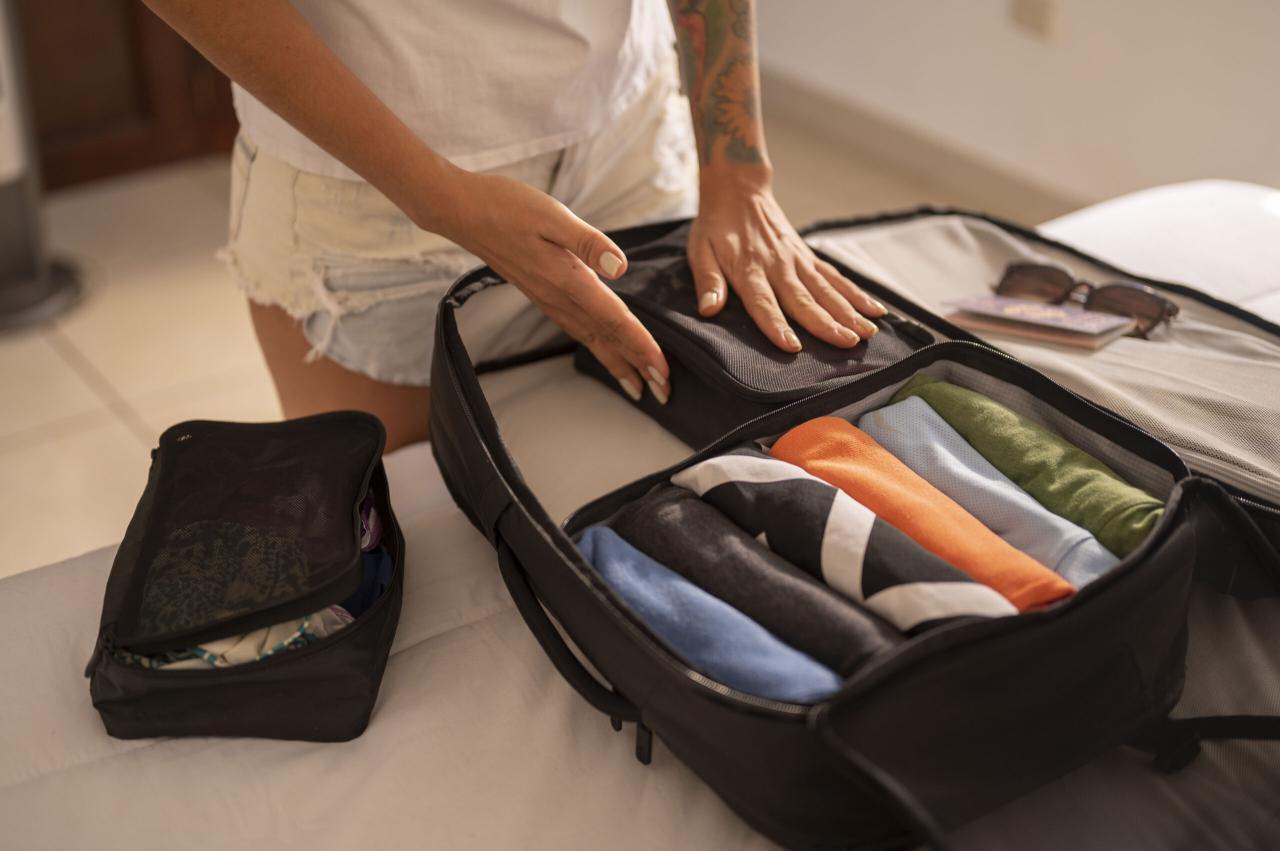
Maintaining clean and comfortable clothing is crucial for a pleasant camping experience. Proper care minimizes odors and extends the lifespan of your garments, making packing lighter and more efficient. This section details essential clothing care items for a minimalist camping kit and effective cleaning methods for campsites.
Necessity of Packing Clothing Care Items
For a truly minimalist camping trip, proper clothing care is vital. Leaving behind the burden of laundry and cleaning clothes at home is a significant aspect of minimizing weight and volume in your pack. By packing lightweight cleaning supplies, you can easily maintain your clothes, ensuring they stay fresh and comfortable throughout your trip.
Lightweight and Compact Clothing Care Items
Packing light doesn’t mean sacrificing cleanliness. Here’s a selection of compact and lightweight items to keep your clothes fresh and clean on the trail:
- A small, durable laundry bag:
- Biodegradable laundry soap (powder or liquid):
- Small, collapsible hand-washing basin or tub:
- Small, lightweight scrub brush:
- Small, foldable drying rack or clothesline:
- Fabric softener or dryer sheets (optional):
This keeps soiled clothes separate from clean items, preventing the spread of odors and dirt. A waterproof or water-resistant bag is ideal for keeping clothes dry and protected from the elements.
Choose a concentrated, biodegradable formula to minimize waste and effectively clean clothes.
A compact basin will serve as a portable sink for washing clothes on the go.
Essential for removing stubborn dirt and stains.
These items will enable quick and efficient drying of clothes.
If desired, these items will aid in making clothes softer and more comfortable.
Laundry Methods for Campsite Environments
Several methods are available for washing clothes in a campsite setting. The choice depends on water availability, the extent of the soiling, and personal preferences.
| Laundry Method | Effectiveness | Water Usage | Suitability |
|---|---|---|---|
| Hand Washing | Effective for light to moderate soiling. | Moderate to Low | Suitable for campsites with water access. |
| Washing with a small portable basin | More effective than hand washing for moderate soiling. | Moderate | Suitable for campsites with water access, particularly for items like towels and bedding. |
| Using a water filter/purifier and bucket | Effective for all types of soiling. | Low | Suitable for campsites with water sources that require filtering. |
Proper water conservation practices are crucial in camping environments. Choosing methods that minimize water usage is essential.
Cleaning and Maintaining Clothes in a Minimalist Camping Kit
Effective cleaning and maintenance of clothes in a minimalist camping kit are essential. Start by separating soiled items from clean clothes. Pre-treating stains before washing can also improve cleaning effectiveness. Use the chosen method, paying attention to water usage. Lastly, use a compact drying method to dry your clothes efficiently.
Proper care of your clothing extends its lifespan, reducing the need for frequent replacements and decreasing environmental impact.
First Aid and Emergency Preparedness
A well-prepared camping trip prioritizes the safety and well-being of all participants. Essential first aid supplies, carefully selected and organized, can significantly mitigate risks and ensure swift response to minor injuries or emergencies. This section details the crucial elements of a minimalist first aid kit, emphasizing lightweight, compact solutions, and practical organization.Prioritizing lightweight and compact first aid supplies is paramount for a comfortable and efficient camping experience.
Overpacking can quickly lead to an unwieldy and cumbersome kit. A well-designed minimalist kit provides comprehensive coverage without excess weight or bulk.
Essential First Aid Items
A comprehensive yet lightweight first aid kit should include items that address common camping injuries. Prioritize multi-purpose items to reduce the overall size and weight. The following list provides a suggested minimal inventory:
- Adhesive bandages in various sizes, for cuts and scrapes.
- Antiseptic wipes or solution for cleaning wounds.
- Pain relievers (e.g., ibuprofen or acetaminophen) for headaches or muscle aches.
- Antihistamine for allergic reactions (if needed).
- Sunscreen with a high SPF to protect against sunburns.
- Small scissors and/or tweezers for wound care.
- A small roll of gauze for covering wounds.
- A few blister treatments or moleskin for foot care.
- Tweezers or forceps for removing splinters.
- A basic antiseptic cream for minor burns.
- A few antiseptic wipes or a small bottle of antiseptic solution for cleaning wounds.
- A blister treatment, moleskin, or bandages for treating blisters.
- A small, disposable thermometer for checking temperatures.
Organization and Storage
A well-organized first aid kit ensures quick access to necessary items during an emergency. Use a waterproof, lightweight, and compact storage container. Consider a small, sturdy plastic box or a dedicated, zippered pouch. A good system will include a clear, labelled section for each item.
- Waterproof container: Choose a water-resistant case to protect items from moisture.
- Clear labeling: Label each section clearly to quickly identify items.
- Easy access: Place frequently used items at the front of the kit.
- Check expiration dates: Regularly review the expiration dates of medications and supplies.
- Keep it compact: Use small, travel-sized containers for medications and supplies.
Treating Common Camping Injuries
Knowing how to treat common injuries can significantly ease discomfort and prevent complications. Swift action can help minimize discomfort and potential problems.
- Minor cuts and scrapes: Clean the wound with antiseptic wipes, apply a bandage, and monitor for signs of infection.
- Blisters: Protect the blister with a specialized blister treatment or moleskin, and avoid puncturing it.
- Sunburns: Apply aloe vera gel or a cool compress to soothe the affected area.
- Insect bites: Apply a topical anti-itch cream or use a cool compress.
Packing Strategies and Organization
A minimalist approach to packing necessitates meticulous planning and organization to ensure efficient space utilization and easy access to essential items. This section provides a comprehensive guide to packing strategies, focusing on optimizing space within a small backpack or bag, and utilizing various packing tools for a streamlined camping experience.Effective organization is crucial for a smooth camping trip. A well-organized toiletry kit promotes ease of use and prevents wasted time fumbling through a disorganized bag.
This approach also minimizes the chances of items getting damaged or lost.
Step-by-Step Guide for Packing a Minimalist Toiletry Kit
This guide Artikels a systematic approach to packing your minimalist toiletry kit. Careful selection of items and their arrangement are key to maximizing space and minimizing weight.
- Inventory and Selection: Thoroughly review your needs and select only essential items. Consider the duration and activities planned for your camping trip. Prioritize multi-functional items that can serve multiple purposes. Eliminate any unnecessary or seldom-used items.
- Item Categorization: Group similar items together. This facilitates quick access and reduces the risk of losing track of specific items. For instance, toiletries can be grouped together, while personal documents are kept in a separate compartment.
- Packing Cubes and Organizers: Utilize packing cubes to separate different categories of items. This approach maintains organization and prevents items from shifting or getting damaged during travel. Compression bags can also help reduce bulk and protect items.
- Space Optimization: Position heavier items at the bottom of your backpack or bag for stability. Place smaller items inside larger containers for better packing. Use compression bags to further reduce the volume of your kit.
- Final Check: Before closing your bag, double-check to ensure you have all the necessary items. Consider labeling each packing cube for easier identification and retrieval of specific items.
Tips for Organizing Items Within a Small Backpack or Bag
Effective organization within a small backpack or bag is essential for a comfortable and efficient camping experience.
- Utilize Dividers and Separators: Employ dividers or zippered compartments to keep items separated and prevent them from shifting or mixing during transit. This also helps maintain the shape of the bag.
- Roll Clothes Instead of Folding: Rolling clothes minimizes wrinkles and saves space. This approach also helps to prevent items from shifting and getting crushed.
- Prioritize Lightweight Items: Choose lightweight materials and containers to reduce the overall weight of your kit. Consider the density and weight of each item when arranging it.
- Use Straps and Ties: Employ straps and ties to secure items and prevent them from shifting. This is particularly useful for smaller or fragile items.
Packing Cubes and Organizers
Packing cubes and organizers offer efficient ways to maximize space and reduce clutter in a small bag or backpack.
| Packing Cube/Organizer Type | Description | Space-Saving Benefit |
|---|---|---|
| Mesh Packing Cubes | Lightweight, breathable, and see-through. | Allows for easy identification of items and quick access. |
| Waterproof Packing Cubes | Protect items from moisture and spills. | Ideal for toiletries and electronics. |
| Compression Packing Cubes | Designed for reducing bulk and maximizing space. | Ideal for compressing clothes and bedding. |
| Zippered Packing Cubes | Offers secure compartments and easy access. | Excellent for keeping items separated and organized. |
| Small Mesh Bags | Ideal for accessories and small items. | Keeps smaller items organized within larger containers. |
Optimizing the Use of Compression Bags
Compression bags are invaluable for maximizing space in a minimalist camping kit.
Compression bags significantly reduce the volume of clothing, bedding, and other items, resulting in a more compact and manageable kit.
Utilizing compression bags is crucial for optimizing space, especially when dealing with bulky items like clothing or bedding. Their ability to significantly reduce the volume of items is particularly advantageous for compacting bulky items like clothing and bedding. This method not only saves space but also helps to prevent items from getting crushed or damaged during transit.
Specific Camping Scenarios
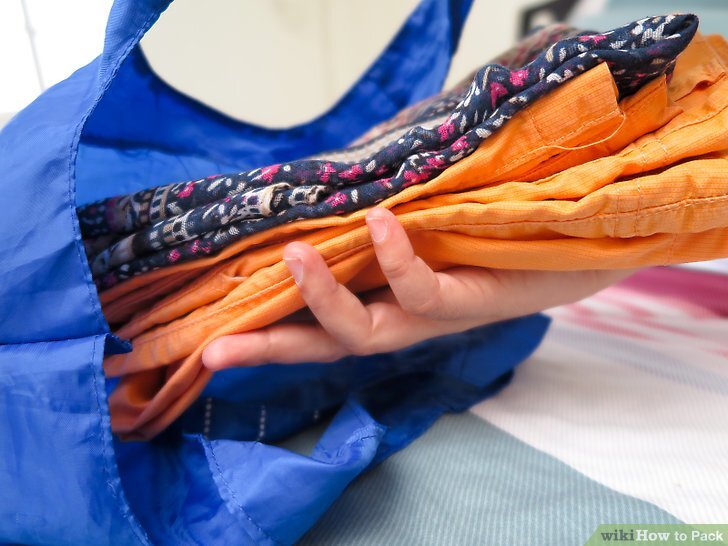
Crafting a minimalist toiletry kit is adaptable to diverse camping experiences. This section delves into tailoring your kit for various durations, weather conditions, and participant demographics, ensuring a comfortable and environmentally conscious camping adventure.
Multi-Day Hike Toiletry Kit
A multi-day hike demands a more concentrated kit than a weekend camping trip. Essential items include lightweight, refillable containers for soap, shampoo, and conditioner. A small, waterproof pouch for storing wet wipes is also beneficial for quick hygiene maintenance. Consider including a small bar of biodegradable soap for handwashing, as liquid soap can be bulky and prone to spills.
Sunscreen, insect repellent, and lip balm are vital for protection against the elements. For a longer hike, a portable water filter or purification tablets are also a must.
Adjusting for Weather Conditions
The weather significantly impacts toiletry needs. For warm, dry conditions, the focus is on sun protection. Lightweight, fast-drying towels are preferred. If rain or cooler temperatures are anticipated, a waterproof bag to keep essential items dry and a warmer, more absorbent towel is advisable.
Camping with Children
Camping with children necessitates a kit tailored to their needs. Eco-friendly, child-safe toiletries are paramount. Choose biodegradable options for soap, shampoo, and other products. Small, child-sized containers are practical for younger children. Consider reusable washcloths and towels.
Also, include a small, first-aid kit specifically designed for children, along with age-appropriate insect repellent.
Backpacking vs. Car Camping Toiletry Kits
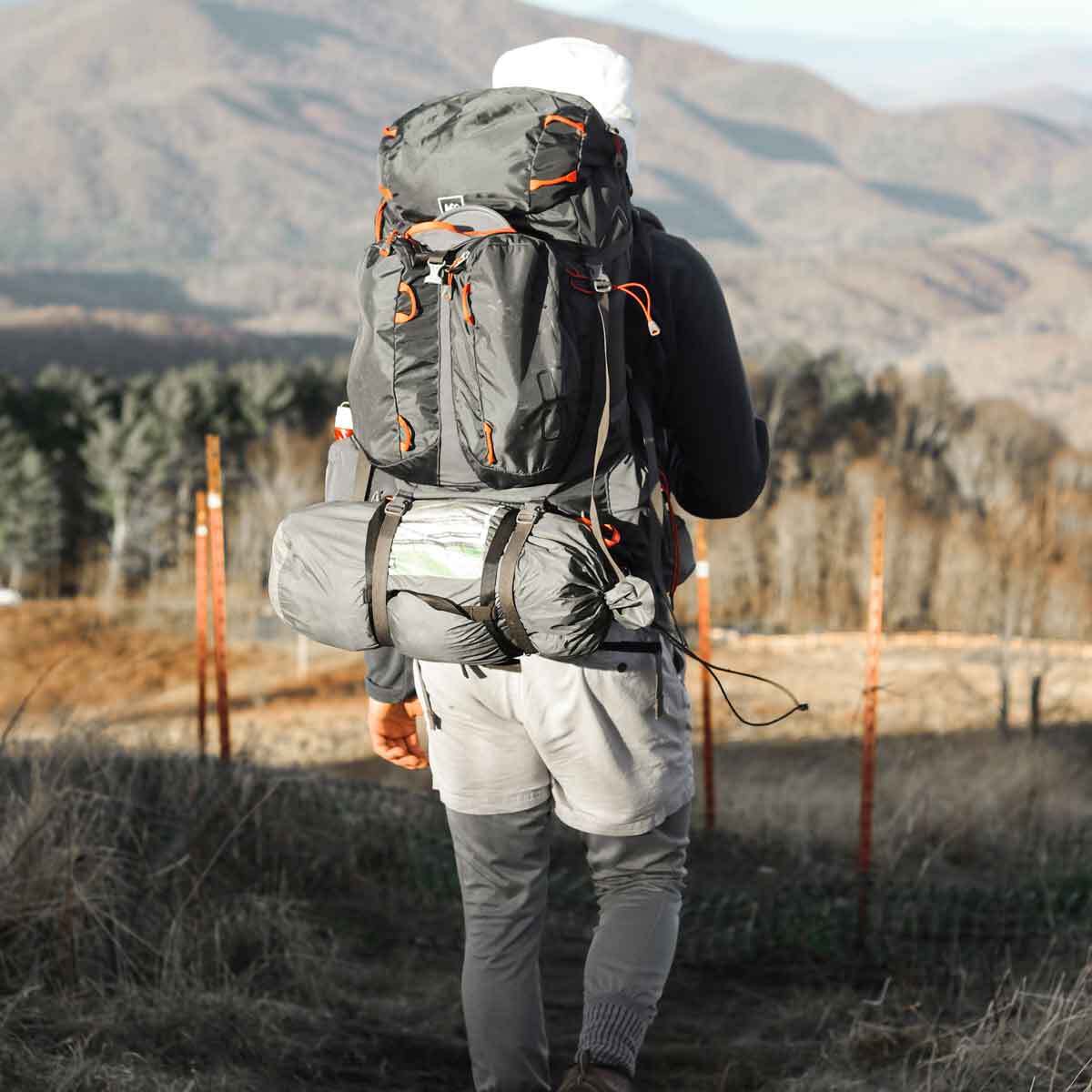
Backpacking trips necessitate a highly compact and lightweight kit. Minimize quantities of toiletries, using small, durable containers. Car camping offers more flexibility, allowing for larger containers and more comprehensive supplies. Choose durable containers, minimizing the risk of breakage or spills during transport.
Example Toiletry Kit Comparison Table
| Camping Type | Primary Focus | Key Items |
|---|---|---|
| Multi-Day Hike | Lightweight, compact | Lightweight soap, shampoo, conditioner, wet wipes, sunscreen, insect repellent, lip balm, portable water filter |
| Weekend Camping | Balanced needs | Travel-sized toiletries, reusable washcloths, insect repellent, sunscreen |
| Camping with Children | Child-friendly, eco-friendly | Biodegradable toiletries, small containers, child-safe sunscreen, insect repellent, first-aid kit |
| Backpacking | Extreme minimalism | Small, refillable containers, bar soap, minimal-sized wet wipes, insect repellent, sunscreen |
| Car Camping | Flexibility and convenience | Travel-sized toiletries, larger containers, extra towels, insect repellent, sunscreen, first-aid kit |
Conclusive Thoughts
In conclusion, packing a minimalist toiletry kit for camping involves thoughtful planning, a focus on sustainability, and an understanding of your specific needs. By prioritizing essential items, reducing waste, and optimizing packing strategies, you can enjoy a comfortable and eco-friendly camping experience without sacrificing personal hygiene. This guide provides a roadmap to create a kit that’s both efficient and environmentally responsible.