Traveling light doesn’t mean sacrificing comfort. This comprehensive guide reveals how to pack efficiently for any trip, from weekend getaways to extended adventures. We’ll explore essential packing principles, gear selection, and strategic packing techniques to ensure a comfortable journey every time. Learn how to maximize space and minimize weight without compromising your travel experience.
Discover the secrets to packing light while prioritizing comfort. This guide delves into the fundamental principles of packing, providing actionable strategies for selecting the right gear and optimizing your packing process. From understanding your travel needs to choosing the perfect luggage, this guide empowers you to travel light and comfortably.
Understanding the Fundamentals of Packing Light
Packing light is more than just cramming clothes into a suitcase. It’s a strategic approach to travel that prioritizes comfort, efficiency, and enjoyment. By understanding the core principles and avoiding common pitfalls, you can travel lighter, move more freely, and experience your destination with greater ease. It’s about selecting items that truly serve your needs and minimizing the unnecessary.Strategic item selection is crucial for packing light.
This involves careful consideration of your activities and the environment you’ll be in. If you’re hiking in the mountains, you’ll need different gear than if you’re attending a conference. Think about the activities you plan to engage in and pack only the essentials for those specific activities. Packing light is not about deprivation but about maximizing your experience by carrying only what you need.
Core Principles of Packing Light
The foundation of packing light lies in meticulous planning. Prioritize items based on their necessity and versatility. Consider what you can buy or borrow at your destination to reduce your baggage weight. Think about how items can serve multiple purposes, for example, a versatile jacket can serve as both a layer and a light raincoat.
Common Packing Mistakes
Overpacking is a frequent mistake. People often pack items they don’t need or that they might only use once or twice. Another common mistake is failing to account for the weight of the luggage itself. Underestimating the weight of your toiletries, chargers, and other small items also contributes to excessive baggage. Finally, packing items without considering their practicality and potential impact on comfort is another significant pitfall.
Assessing Weight and Size Limitations
Before you start packing, understand the weight and size restrictions of your chosen mode of travel. Airlines, trains, and even ferries have specific regulations. Familiarize yourself with these rules to avoid potential issues at the airport or train station. Using online resources or checking directly with the transportation company is essential for accurate information. For example, an airline’s website will clearly Artikel baggage allowance in kilograms or pounds.
Essential vs. Non-Essential Items
Distinguishing between essential and non-essential items is paramount. Essential items are those that are necessary for your comfort, safety, and the successful completion of your trip. These include clothing for different weather conditions, toiletries, and medications. Non-essential items are those that might be convenient but are not truly necessary. These can include extra pairs of shoes, a large number of accessories, or multiple chargers.
The key is to prioritize essential items and eliminate non-essentials.
Travel Scenario Comparison
The table below Artikels the differences in packing needs for various travel scenarios.
| Travel Scenario | Packing Focus | Key Items |
|---|---|---|
| Weekend Trip | Minimalist approach, focusing on comfort and ease of movement. | Essential clothing for the expected weather, toiletries, chargers, and personal documents. |
| Week-long Vacation | Moderate approach, allowing for more flexibility in clothing options and potential for unexpected activities. | Versatile clothing, toiletries, chargers, and personal documents, along with a few items for different activities. |
| Month-long Backpacking Trip | Strategic approach, maximizing space and weight reduction by focusing on versatile and compact items. | Versatile clothing, multi-purpose gear, lightweight toiletries, and essential documents. |
Choosing the Right Gear
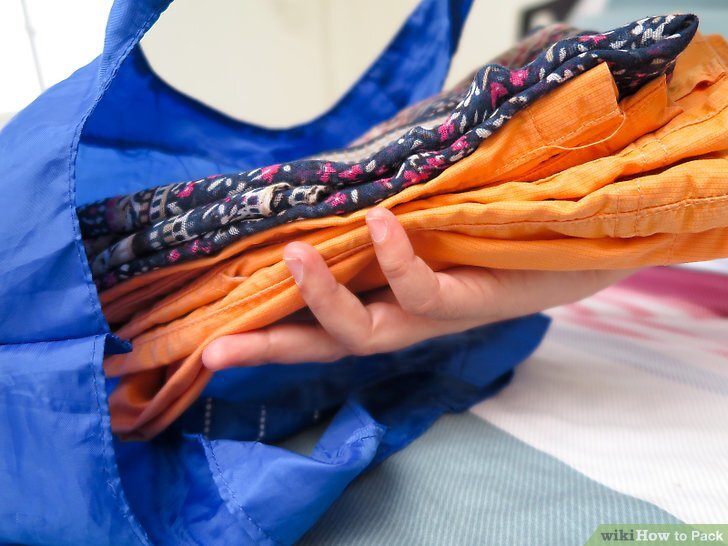
Selecting appropriate clothing and gear is crucial for packing light while maintaining comfort and practicality. This involves careful consideration of the destination’s climate, the planned activities, and the desired level of convenience. Understanding the specific needs of your trip will guide your choices and ensure you’re prepared for anything.Choosing the right gear is not just about minimizing weight; it’s about maximizing versatility and functionality.
This means selecting items that can be mixed and matched to create multiple outfits, reducing the overall number of clothes needed. By strategically choosing versatile fabrics and styles, you can significantly decrease the size of your luggage without sacrificing style or comfort.
Lightweight Clothing Options
Careful consideration of clothing fabrics and styles is vital for packing light. Choosing lightweight and quick-drying fabrics, such as synthetic materials like polyester or nylon, is recommended for their durability and ability to dry quickly. Natural fibers like merino wool and linen are also excellent choices, known for their moisture-wicking properties and breathability. For warmer climates, lightweight, breathable fabrics like cotton or linen are suitable, while for colder climates, synthetic or fleece layers are preferable.
- Moisture-wicking fabrics are ideal for activities like hiking or camping, keeping you dry and comfortable during physical exertion. Moisture-wicking materials pull sweat away from the skin, preventing overheating and maintaining a comfortable temperature.
- Versatile clothing items, such as convertible pants, convertible jackets, or multi-purpose shirts, can significantly reduce the number of items you need to pack. These can be dressed up or down for different occasions, saving space and weight.
- Layering systems are essential for adaptable travel. A base layer of moisture-wicking material, an insulating mid-layer, and a waterproof outer layer allow you to adjust to changing weather conditions without carrying multiple items.
Packing Cubes and Compression Sacks
Choosing the right organizational tools can significantly reduce the size and weight of your luggage.
- Packing cubes offer excellent organization, compressing clothes and keeping them separate. They are available in various sizes and materials, such as nylon or polyester. The benefits include reduced wrinkling, better organization, and ease of locating specific items.
- Compression sacks are designed to compress bulky items, such as sweaters or sleeping bags, reducing their volume and saving space. This compression minimizes the amount of space they take up in your luggage, maximizing the efficiency of your packing.
- Pros and Cons of Different Tools: Packing cubes offer excellent organization but may not compress as effectively as compression sacks. Compression sacks, while effective for compressing items, may not offer the same level of organization as packing cubes. The best choice depends on your individual packing style and the types of items you need to carry.
Versatile Clothing Items
Selecting versatile clothing items is a key aspect of minimizing the number of items you need to pack.
- Neutral-colored clothing, such as black, gray, navy, and khaki, can be mixed and matched to create multiple outfits. This versatility reduces the number of clothing items you need, saving space and weight.
- Multi-purpose clothing items, like convertible pants, can be dressed up or down for different occasions. A pair of convertible pants can serve as both trousers and shorts, greatly increasing their usefulness.
- High-quality, durable clothing provides a longer lifespan, allowing you to use the same garments on multiple trips. This reduces the need to purchase new clothes for every trip, minimizing both cost and environmental impact.
Luggage and Accessories
Choosing durable and lightweight materials is vital for luggage and accessories.
- Durable and lightweight materials, such as high-quality nylon or polycarbonate, are crucial for luggage. They ensure the longevity of your luggage and reduce the weight significantly. Durability prevents damage and breakage during transport.
- Backpacks are preferred for hiking or travel due to their comfort and convenience. They distribute weight evenly, making them ideal for long journeys.
- Suitcases are useful for organized storage and maneuverability. Their hard or soft shells provide protection for clothing, while their wheels offer mobility.
Luggage Comparison
| Type of Luggage | Features | Benefits |
|---|---|---|
| Backpack | Adjustable straps, multiple compartments, often lightweight | Even weight distribution, easy to carry, versatile for various activities |
| Suitcase | Wheels, hard or soft shell, large compartments | Easy maneuverability, protection for clothes, suitable for longer trips |
| Duffel bag | Large main compartment, often lightweight, durable fabric | Versatile for carrying clothes and other essentials, easy to pack |
Packing Strategies for Comfort
Packing light is about more than just minimizing weight; it’s about maximizing comfort during your travels. Careful packing strategies ensure your belongings remain organized, undamaged, and easily accessible, allowing you to focus on enjoying your journey rather than wrestling with cumbersome luggage. This section will detail various techniques for packing clothes and essentials strategically, optimizing space, and preventing items from shifting or becoming damaged.A well-planned packing strategy directly impacts your travel experience.
A meticulously organized bag translates to a smoother trip, reducing stress and allowing you to fully immerse yourself in your destination. By employing the right techniques, you can maintain comfort and ease of movement, even when carrying a limited amount of luggage.
Strategic Clothing Packing Techniques
Careful folding and rolling techniques are crucial for maximizing space and preventing wrinkles. Rolling clothes tightly reduces wrinkles and allows for more items to fit into a given space. Folding garments, especially those with delicate fabrics, can be less impactful on their shape and appearance. Experiment with both methods to determine which works best for your clothing types.
Optimizing Space and Preventing Damage
Packing cubes and compression sacks are essential tools for organized packing. These specialized containers separate clothing items, preventing them from shifting and becoming wrinkled. Packing cubes also help to visually organize your belongings, making it easier to locate specific items. Compression sacks, on the other hand, are ideal for compressing bulky items like sweaters and jackets, further maximizing space utilization.
Packing Cubes and Compression Sacks
Packing cubes are lightweight, fabric containers that organize clothes and prevent them from shifting or becoming wrinkled. They are invaluable for keeping clothing separate and easily accessible. Compression sacks are designed to compress bulky items like blankets and jackets, reducing their volume significantly and saving space. Using a combination of packing cubes and compression sacks optimizes space, ensuring that every inch of your luggage is utilized effectively.
Packing Shoes and Toiletries
Shoes can take up a considerable amount of space. To save space, consider packing shoes in a shoe bag or compression sack. This will prevent them from scuffing other items and keep them organized. For toiletries, consider using travel-sized containers or refillable bottles to minimize bulk. Liquids should be placed in a clear, resealable bag.
Packing List Examples
The optimal packing list depends on the duration and type of trip. The following table provides examples of packing lists categorized by trip duration:
| Item Type | Short Trip (1-3 Days) | Medium Trip (4-7 Days) | Long Trip (8+ Days) |
|---|---|---|---|
| Tops | 2-3 shirts | 3-4 shirts | 4-5 shirts |
| Bottoms | 1 pair of pants/jeans | 1-2 pairs of pants/jeans | 2-3 pairs of pants/jeans |
| Outerwear | 1 light jacket | 1 light jacket, 1 sweater | 1 light jacket, 1 sweater, 1 waterproof jacket |
| Underwear | 3-4 pairs | 4-5 pairs | 5+ pairs |
| Shoes | 1 pair | 1-2 pairs | 2-3 pairs |
This table is a starting point. Adjust the quantities based on your personal needs and the activities you’ll be engaging in during your trip.
Optimizing Specific Items
Mastering the art of packing light requires careful consideration of individual items. This section delves into optimal packing methods for electronics, documents, and other delicate items, as well as shoes, toiletries, and personal effects. Understanding the nuances of packing different items, such as using packing cubes for electronics, and choosing the right travel pillow, will contribute significantly to a comfortable and efficient travel experience.Efficient packing strategies are crucial for preserving the integrity of delicate items and maximizing space utilization.
This includes understanding the specific needs of each item and selecting the appropriate packing methods to protect them during transit.
Packing Electronics and Documents
Protecting electronic devices and important documents is paramount. Carefully consider the fragility of these items when packing. Invest in protective cases for your electronics, ensuring they are snug and offer cushioning. For documents, use archival-quality folders and consider vacuum-sealing them for maximum space-saving and protection against moisture and damage. Utilize packing cubes for electronics, documents, and other sensitive items.
Packing cubes provide a layer of protection and organization.
Packing Shoes
Packing shoes efficiently is essential for space optimization. Roll your shoes instead of folding them. This method minimizes wrinkles and maximizes space. If space allows, use shoe bags to further protect shoes and prevent the spread of odors. Alternatively, consider using shoe organizers or packing cubes to prevent shoes from shifting during travel.
Packing Toiletries and Personal Items
For toiletries, use travel-sized containers or reusable containers. This helps minimize the volume of liquids and reduces weight. Compress toiletries further to save space. Place toiletries in a zip-top bag or a packing cube. For other personal items, consider packing them in separate packing cubes or bags for better organization and to avoid mixing different types of items.
Travel Pillows and Blankets
Selecting the right travel pillow and blanket can significantly impact comfort. Consider the size, weight, and ease of storage when choosing. Inflatable travel pillows are lightweight and compact. Memory foam travel pillows offer superior support. Lightweight, foldable blankets are ideal for space-saving and portability.
For maximum comfort, consider choosing a pillow and blanket set that complement each other.
Packing Cubes for Sensitive Items
Packing cubes are invaluable for protecting electronics, documents, and other sensitive items. They create a layer of cushioning and prevent items from shifting or getting damaged during transit. Use packing cubes to group similar items together for better organization. Furthermore, packing cubes help in separating items to maintain order and prevent unwanted mixing.
Comparison of Packing Methods
| Item | Packing Method | Advantages | Disadvantages |
|---|---|---|---|
| Electronics | Packing Cubes with protective cases | Enhanced protection, organized packing | Can be bulky if not optimized |
| Documents | Archival-quality folders, vacuum sealing | Maximum protection against damage and moisture | May require additional space if large documents |
| Shoes | Rolling, shoe bags | Space-saving, minimizes wrinkles | May require more space if a lot of shoes |
| Toiletries | Travel-sized containers, reusable containers | Space-saving, reduces weight | May require more containers if a lot of toiletries |
| Travel Pillow | Inflatable or memory foam | Lightweight, compact, good support | May not be suitable for all comfort levels |
| Blankets | Lightweight, foldable | Space-saving, portable | May not provide the same warmth as larger blankets |
Maintaining Comfort During Travel
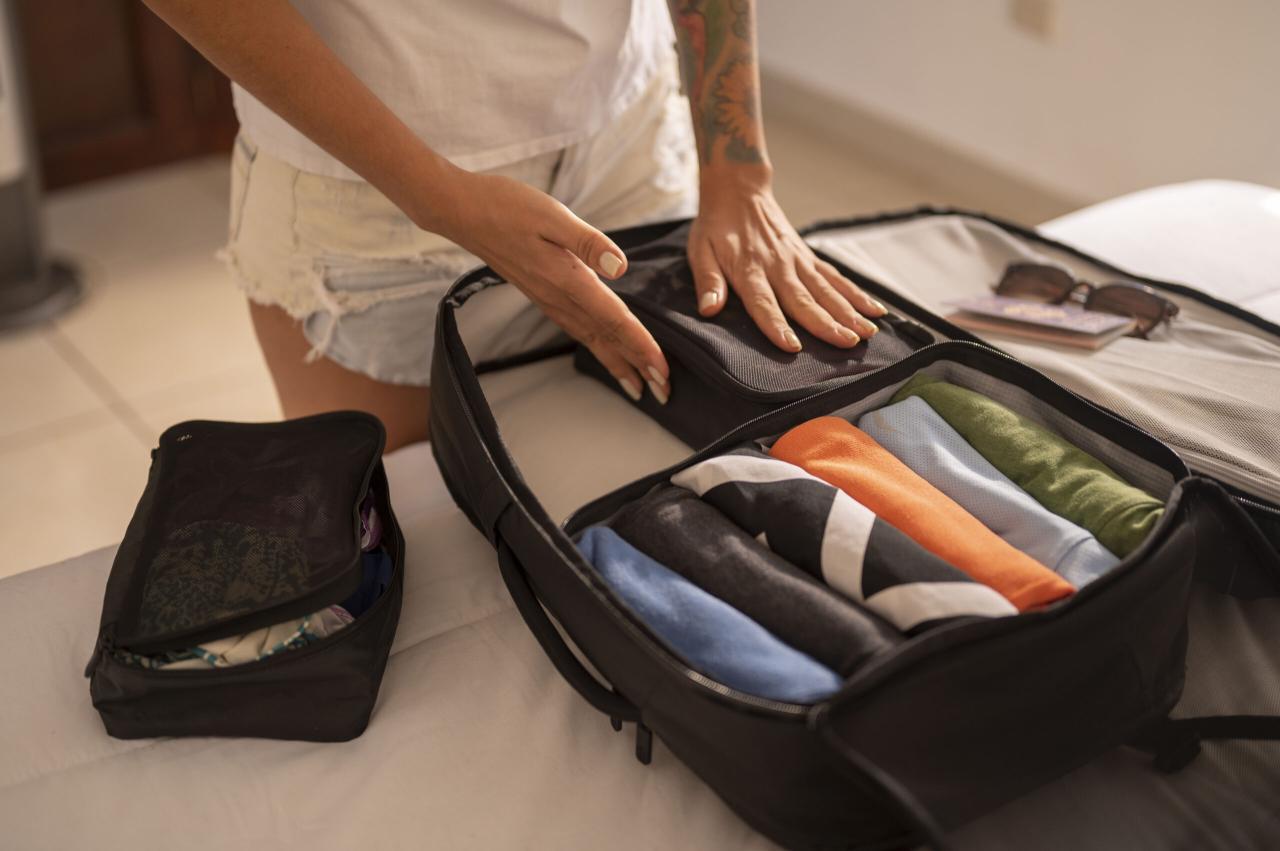
Traveling comfortably involves more than just packing light; it’s about optimizing your entire experience. Careful consideration of travel accessories and packing strategies can significantly impact your well-being and enjoyment, especially during extended trips. This section details crucial aspects of maintaining comfort during travel, from choosing the right gear to implementing effective packing methods.Selecting appropriate travel accessories and bags, understanding how to prevent items from shifting, and implementing strategic packing techniques are all key elements of a smooth and comfortable journey.
By prioritizing comfort throughout the packing process, you can minimize stress and maximize your enjoyment of the travel experience.
Choosing Comfortable and Practical Travel Accessories
Effective travel accessories contribute substantially to a comfortable journey. Lightweight, high-quality items can make a noticeable difference in reducing the burden and maximizing ease of use. This includes choosing comfortable luggage, travel pillows, and ergonomic bags. Well-designed accessories can alleviate strain and ensure a smoother travel experience. Consider items with supportive features, such as padded straps or compartments for organizing items.
A comfortable neck pillow, for example, can be crucial for long-haul flights.
Preventing Clothing and Items from Shifting or Becoming Damaged
Preventing clothing and items from shifting or becoming damaged during travel is crucial for comfort and maintaining the integrity of your belongings. Proper packing techniques play a significant role in this process. Using packing cubes or compression bags helps keep items organized and prevents them from shifting around in your luggage. Additionally, using garment bags or wrapping delicate items in soft materials can protect them from damage during transport.
Packing Strategies for Maximizing Space and Preventing Discomfort
Implementing effective packing strategies is essential for maximizing space and preventing discomfort. Rolling clothes instead of folding them, for example, can save space and reduce wrinkles. This method also helps keep clothes from shifting around. Using packing cubes or compression bags to organize items into smaller, manageable units is another crucial strategy. This allows you to quickly locate items and minimizes the risk of them becoming tangled or damaged.
Packing heavier items at the bottom of your luggage, with lighter items on top, can also help maintain balance and prevent discomfort.
Maintaining Comfort While Carrying Heavy Items
Carrying heavy items can lead to significant discomfort, especially during extended trips. Strategically distributing the weight of your luggage is vital. Ensure that the weight is evenly distributed across your body. Consider using a backpack or rolling suitcase with comfortable straps or wheels to reduce strain on your shoulders and back. If using a backpack, make sure it’s properly adjusted to prevent slippage and discomfort.
Choosing Lightweight Travel Accessories and Bags
Lightweight travel accessories and bags play a critical role in maximizing comfort. The weight of your luggage significantly affects your comfort level during travel. Opting for lightweight materials and streamlined designs in your luggage and accessories can substantially reduce the overall weight you carry. This not only enhances comfort but also allows for more efficient travel. Lightweight bags made from durable materials, such as nylon or polycarbonate, can offer a balance of lightness and robustness.
Addressing Specific Needs
Packing light effectively requires tailoring strategies to individual needs and travel circumstances. Understanding your travel style, planned activities, and potential challenges is crucial for a comfortable and efficient packing process. This section delves into adapting packing strategies for diverse situations, from adventurous hikes to professional business trips.
Adapting Strategies for Different Travel Styles
Individual travel styles greatly influence packing choices. A weekend getaway calls for a different approach than a month-long backpacking trip. Consider the pace of your trip, the activities you plan to engage in, and the level of comfort you prioritize. For instance, a leisurely cruise necessitates different items than a demanding trekking expedition. Packing light should accommodate your personal preferences and the nature of your journey.
Packing for Specific Activities
Different activities demand specific gear. A hiking trip requires sturdy hiking boots, layers of clothing for varying temperatures, and appropriate hydration solutions. Business trips necessitate professional attire, important documents, and perhaps a portable charger for electronics. Carefully consider the necessary items for the planned activities to avoid unnecessary weight and ensure optimal performance during the journey.
Challenges in Packing for Specific Situations
Limited luggage space is a common challenge. Understanding the restrictions of your luggage and planning accordingly can help you avoid exceeding allowances. Weather variations across destinations also necessitate adapting your packing strategy. Researching the anticipated weather conditions and packing accordingly for varying temperatures, humidity, and precipitation is crucial. Anticipating potential weather changes is important for packing layers.
Packing for Individuals with Specific Needs
Individuals with specific needs, such as allergies or mobility issues, require tailored packing strategies. If you have allergies, pack specific medications and items to manage potential reactions. For those with mobility limitations, pack lightweight assistive devices and consider accessible accommodations. Understanding these needs and addressing them with appropriate gear is paramount for a comfortable and safe journey.
Packing Strategies Based on Travel Type, Length, and Destination
| Travel Type | Length | Destination | Packing Strategy |
|---|---|---|---|
| Weekend Getaway | 2-3 days | City Break | Focus on versatile clothing, essential toiletries, and comfortable shoes. Pack light, considering the specific activities planned. |
| Backpacking Trip | 1-4 weeks | Hiking Trail | Prioritize lightweight, durable clothing and gear. Pack versatile items that can be used in multiple situations. Consider appropriate hiking footwear. |
| Business Trip | 3-5 days | International Conference | Pack professional attire, important documents, and any necessary electronic devices. Prioritize comfort and ease of movement. |
| Family Vacation | 7-10 days | Beach Resort | Pack comfortable clothing suitable for the weather. Consider essentials for children, such as medications and entertainment. |
Practical Examples and Illustrations
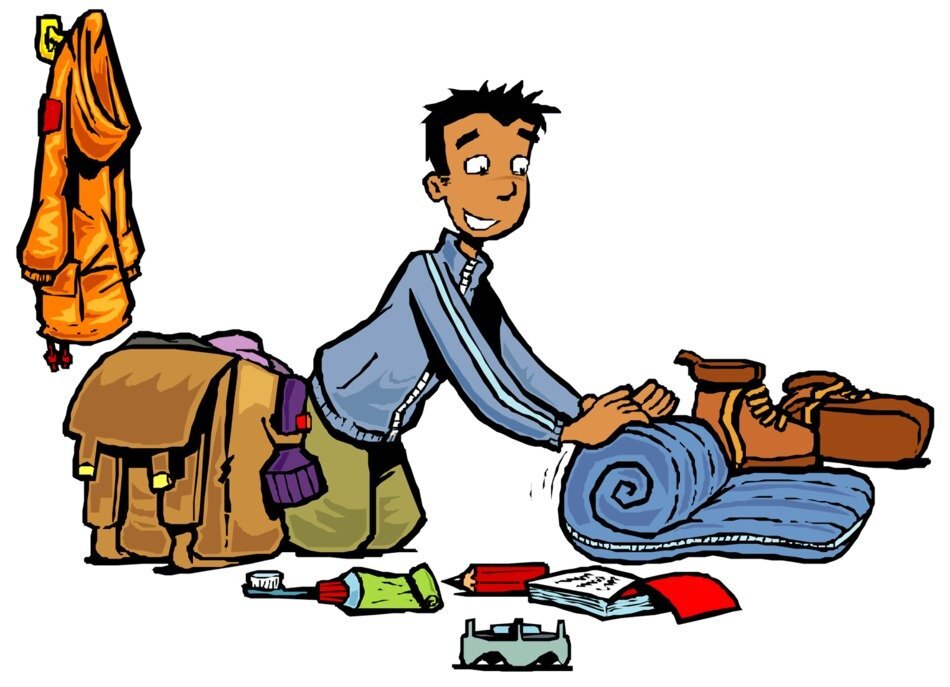
Packing light effectively involves more than just minimizing items; it’s about strategically choosing and organizing your belongings for optimal comfort and ease of travel. This section provides practical examples to illustrate how to apply the principles of packing light to different travel scenarios. We will explore packing lists, organization techniques, and the vital concept of layering to ensure comfort during your journeys.By understanding the nuances of packing for various trip types, you can efficiently prepare for any adventure while maintaining a lightweight and comfortable travel experience.
7-Day Warm Climate Trip Packing List
A 7-day trip to a warm climate necessitates a focus on lightweight, quick-drying fabrics. This list prioritizes versatility and comfort.
- Tops: 3 t-shirts (quick-drying material), 1 lightweight long-sleeved shirt, 1 light cardigan or jacket.
- Bottoms: 2 pairs of shorts, 1 pair of comfortable walking pants.
- Underwear and Socks: 7 pairs of underwear, 7 pairs of quick-drying socks.
- Shoes: 1 pair of sandals/flip-flops, 1 pair of comfortable walking shoes.
- Accessories: 1 hat, 1 pair of sunglasses, sunscreen, insect repellent, a small towel.
- Toiletries: Travel-sized toiletries, toothbrush, toothpaste, biodegradable soap, shampoo, conditioner (if needed), small first-aid kit.
- Electronics: Phone, charger, camera (optional), portable charger.
- Documents: Passport, tickets, travel insurance information.
14-Day Backpacking Trip in the Mountains Packing List
This packing list emphasizes versatility and layering for fluctuating mountain temperatures. Items are chosen for durability and functionality, prioritizing lightweight materials.
- Tops: 3 moisture-wicking t-shirts, 1 lightweight fleece jacket, 1 waterproof/windproof outer shell.
- Bottoms: 2 pairs of hiking pants, 1 pair of shorts.
- Underwear and Socks: 7 pairs of underwear, 7 pairs of hiking socks, 1 pair of liner socks.
- Shoes: 1 pair of hiking boots, 1 pair of waterproof hiking sandals.
- Accessories: Backpack rain cover, hat, sunglasses, sunscreen, insect repellent, headlamp/flashlight, water bottle.
- Toiletries: Travel-sized toiletries, toothbrush, toothpaste, biodegradable soap, first-aid kit.
- Electronics: Phone, charger, headlamp, camera (optional).
- Gear: Backpack, sleeping bag, sleeping pad, cooking equipment, water filter/purifier, map, compass, first-aid kit, knife, lighter, headlamp, etc.
- Documents: Passport, tickets, travel insurance information.
Packing List Organization
A well-organized packing list enhances your preparation and helps prevent last-minute stress. This structured approach promotes efficient packing and reduces the risk of forgetting essential items.
| Category | Items |
|---|---|
| Clothing | Tops, Bottoms, Underwear, Socks, Shoes |
| Accessories | Hat, Sunglasses, Sunscreen, etc. |
| Toiletries | Toothbrush, Toothpaste, Soap, etc. |
| Electronics | Phone, Charger, Camera, etc. |
| Documents | Passport, Tickets, etc. |
Layering Clothing
Layering clothing is crucial for adapting to changing temperatures. This method allows for flexibility and comfort in a variety of weather conditions. It’s an efficient use of space and ensures warmth and comfort during travel.
Visual illustration of layering:
Imagine a series of garments layered on top of each other. The innermost layer is a moisture-wicking base layer. The middle layer is a mid-layer, such as a fleece jacket. The outermost layer is a waterproof and windproof shell.
Packing Cubes and Organizers
Packing cubes and other organizers provide a practical and efficient method for packing. They help maintain order and prevent items from becoming tangled, which reduces stress and improves packing efficiency.
Using packing cubes involves dividing your clothing into separate cubes based on category or use. For example, you can have a cube for tops, another for bottoms, and another for shoes. This method prevents clothes from getting wrinkled or mixed up during travel. This allows for easy access to specific items and makes unpacking a smoother experience.
Last Recap
In conclusion, packing light without compromising comfort is achievable with the right strategies. This guide has provided a comprehensive overview of fundamental principles, gear selection, and packing techniques. By understanding your travel needs and applying the tips presented, you can enjoy comfortable and efficient travel experiences. Remember to tailor your packing strategy to your specific needs and preferences for optimal results.