Camping in windy conditions can be a thrilling experience, but ensuring your tent’s safety is paramount. This comprehensive guide provides practical steps to secure your tent against strong winds, from choosing the right tent to dealing with unexpected gusts. Learn essential techniques for selecting the ideal campsite, setting up your tent properly, and taking precautions to prevent damage.
Proper tent setup and preparation are crucial for a safe and enjoyable camping trip. This guide details essential steps to consider, including choosing the right tent, selecting the optimal campsite, and implementing various methods for anchoring and reinforcing your tent to withstand wind pressure. We will also explore preventive measures for unexpected strong winds, ensuring your safety and minimizing potential damage.
Choosing the Right Tent
Selecting the appropriate tent is crucial for ensuring its stability and safety during strong winds. A well-chosen tent, built with robust materials and designed for wind resistance, will provide a secure shelter. Consider the specific wind conditions you anticipate when making your decision.
Tent Types for Varying Wind Conditions
Different tent types are designed for different wind conditions. A simple dome tent is often sufficient for light winds, while a more complex, high-pole design is better suited for high-wind environments. Understanding the structure and construction of the tent is essential for choosing one that meets your needs. Consider the anticipated wind speeds and duration of the camping trip.
- Dome Tents: These tents are characterized by their simple, rounded shape. They are generally lightweight and easy to set up, making them ideal for light winds and novice campers. The rounded structure provides a moderate level of wind resistance.
- Tunnel Tents: Tunnel tents have a more elongated, streamlined design, often featuring a single, long pole. This structure offers increased wind stability compared to dome tents, making them suitable for moderate winds. The streamlined shape helps channel wind around the tent.
- Frame Tents: Frame tents utilize poles or internal supports to create a strong, rigid structure. This construction provides the highest level of wind resistance, making them excellent choices for high-wind conditions. The framework supports the tent’s overall structure.
High-Quality Materials for Wind Resistance
High-quality materials are essential for a tent’s wind resistance. The fabric’s strength and durability, along with the construction methods, significantly impact its ability to withstand strong winds. Different materials exhibit varying levels of resistance and weight.
- Polyester: Polyester is a popular choice for its durability and water resistance. It is relatively lightweight and offers good wind resistance, especially when treated with a durable water repellent (DWR) coating. The strength of polyester varies based on the specific weave and density of the material.
- Nylon: Nylon is another durable option, known for its strength and lightness. Its wind resistance is comparable to polyester, and its breathability is an added benefit. Different types of nylon, such as ripstop nylon, offer enhanced tear resistance.
- Silicone-coated Fabrics: Silicone coatings provide enhanced water resistance and windproof properties to the tent fabric. The coating helps repel water and wind, making the tent more durable. This material is particularly useful in wet and windy environments.
Tent Size and Shape in Relation to Wind Stability
The size and shape of the tent directly impact its wind stability. A larger surface area exposed to wind can significantly affect the tent’s resistance. The overall design of the tent structure plays a crucial role in maintaining stability.
- Surface Area: A larger surface area of the tent exposed to wind means greater potential for the wind to exert force on the tent. The design of the tent’s shape, such as the angle of the walls and the overall volume, affects wind resistance.
- Shape and Construction: The shape and construction of the tent influence its ability to withstand wind. Well-designed tents utilize strategically placed poles and reinforced seams to counteract wind forces. The overall construction methods determine the tent’s strength and durability.
Comparison of Tent Models
The following table compares three different tent models, highlighting their wind resistance features and price ranges. Note that prices are estimates and can vary based on retailer and promotions.
| Tent Model | Wind Resistance Features | Price Range ($) |
|---|---|---|
| Mountain Peak 4-Person Tent | High-quality polyester fabric, reinforced seams, multiple poles for stability. | $250-$350 |
| Expedition Pro 6-Person Tent | Durable nylon fabric with silicone coating, advanced pole system, large vestibule for gear storage. | $400-$550 |
| StormRider 8-Person Tent | Heavy-duty polyester ripstop fabric, reinforced rainfly, robust frame system. | $550-$750 |
Site Selection and Preparation

Proper site selection is crucial for tent security, especially in windy conditions. A well-chosen campsite minimizes the risk of tent damage and ensures a comfortable stay. Choosing a location that mitigates wind exposure is paramount to a successful outdoor experience.Selecting a level and sheltered campsite is essential for a secure tent setup in windy conditions. This minimizes stress on the tent’s structure and reduces the risk of it being blown away.
A sloping site, even a slight incline, can significantly increase wind forces on the tent. Level ground allows for a stable, secure base.
Assessing Wind Patterns
Accurate assessment of wind patterns and directions is critical to choosing a safe campsite. Knowing the prevailing wind direction and speed helps in identifying sheltered locations. Wind patterns are often influenced by geographical features such as hills, valleys, and trees. Observing these features can help predict wind patterns. Identifying areas with consistent high wind speeds can help avoid setting up a tent in those locations.
Identifying and Avoiding High Wind Exposure
High wind exposure is a major factor in tent instability. Identifying and avoiding such areas is critical for tent safety. A careful survey of the potential campsite is required to determine the prevailing wind direction and strength. Areas with unobstructed wind paths should be avoided. Look for natural barriers like trees, rocks, or hills that can deflect wind.
Suitable Campsite Selection Flowchart
| Step | Action |
|---|---|
| 1 | Identify potential campsite locations. Consider areas with natural windbreaks like trees, rocks, or hills. |
| 2 | Check for level ground. Uneven ground can increase wind pressure on the tent. |
| 3 | Assess wind direction and speed. Use weather forecasts, windsocks, or personal observations to understand wind patterns. |
| 4 | Evaluate wind exposure. Identify areas with unobstructed wind paths and avoid them. Look for places where wind is deflected by natural barriers. |
| 5 | Confirm suitability. Ensure the chosen location offers adequate shelter from the wind and is level. |
| 6 | Set up tent. Once the site is chosen, follow proper tent setup procedures to maximize stability. |
Setting Up the Tent Securely
Proper tent setup is crucial for withstanding strong winds. A well-anchored tent distributes the wind load effectively, minimizing the risk of damage or collapse. This section details essential procedures for achieving maximum wind resistance during setup.Thorough preparation and precise execution of the anchoring process are key elements in securing your tent against high winds. Carefully considering the ground conditions, selecting appropriate anchoring methods, and correctly tensioning guy lines are all critical steps in ensuring the tent’s stability.
Understanding the interplay between the tent’s design, the terrain, and the anticipated wind conditions is essential for successful setup.
Anchoring Techniques
Proper anchoring is paramount for wind resistance. Different terrains require varied approaches. The chosen method should be suitable for the ground’s composition and the expected wind strength. A variety of anchoring methods can be employed to secure a tent, each with its own strengths and limitations.
- Using Stakes: Stakes are fundamental for securing tents on firm ground. Drive stakes firmly into the ground, ensuring they are at least 12 inches deep. Use appropriately sized stakes for your tent and the ground conditions. For extra security, place stakes diagonally, in a criss-cross pattern, or in a triangle formation around the tent’s perimeter.
- Employing Guy Lines: Guy lines are crucial for distributing wind load. Attach guy lines to the tent’s corners and anchor them to the ground using stakes or other suitable anchoring points. Tension the guy lines carefully, ensuring they are taut but not excessively tight. Over-tensioning can damage the tent or the anchoring points.
- Utilizing Rocks and Anchors: In areas with rocky terrain, rocks can serve as effective anchoring points. Carefully position rocks to support guy lines or directly secure tent stakes. Ensure the rocks are substantial enough to withstand the anticipated wind forces.
- Utilizing Sandbags or Weight: Sandbags can be used as a method of adding weight and stability to tent anchors in sandy or loose soil conditions. Place sandbags around the tent’s perimeter, particularly in areas where the ground is prone to shifting or displacement. This approach provides additional security against wind pressure.
Anchor Method Suitability
The optimal anchoring method depends heavily on the specific ground conditions. The following table illustrates the suitability of various anchoring methods for different terrain types:
| Ground Condition | Recommended Anchoring Methods |
|---|---|
| Firm Ground (e.g., grassy field, compacted earth) | Stakes, Guy Lines |
| Loose Soil (e.g., sandy beach, loose gravel) | Stakes, Guy Lines, Sandbags, Rocks (as suitable anchors) |
| Rocky Terrain | Rocks, Guy Lines, Stakes (where possible) |
| Muddy Terrain | Stakes (carefully driven), Guy Lines, Rocks (if available) |
Securing the Tent
Once the anchoring methods are selected, follow these steps for a secure setup:
- Positioning the Tent: Choose a level spot and position the tent to maximize wind protection and leverage anchoring points.
- Stake Placement: Drive stakes firmly into the ground at the tent’s corners, ensuring they are anchored adequately. Place stakes diagonally, in a criss-cross pattern, or in a triangle formation to maximize the tent’s stability.
- Guy Line Attachment: Attach guy lines to the tent’s corners and anchor them to the ground using stakes or other suitable anchors. Ensure the lines are taut but not overly tight.
- Tensioning Guy Lines: Carefully adjust the tension of the guy lines, ensuring they are taut but not excessively tight. Adjusting the tension can be crucial to optimize the tent’s wind resistance. This will depend on the wind conditions and the anchoring method used.
Additional Wind Protection Measures
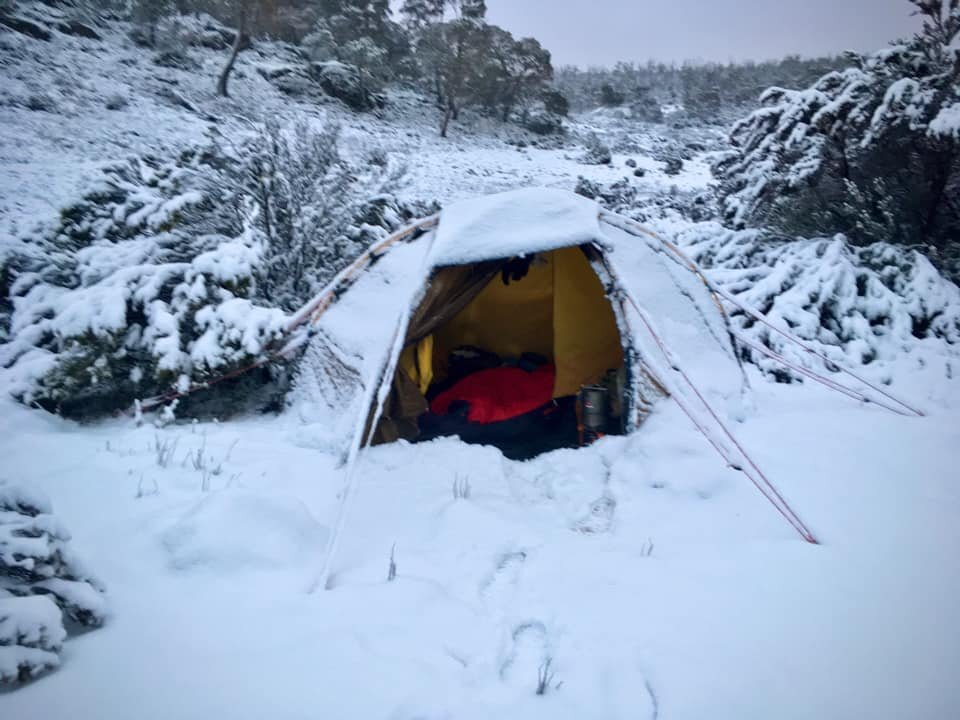
Securing your tent against strong winds requires a multi-faceted approach beyond simply staking it down. This section details supplementary measures to enhance stability and resilience, ensuring a comfortable and safe camping experience even in challenging weather conditions. Careful consideration of these methods can significantly improve your tent’s ability to withstand high winds.
Utilizing Weights and Anchoring Equipment
Adding weight to the tent’s base and reinforcing the anchoring system are crucial for wind resistance. Properly weighted tent corners and a reinforced anchoring system can dramatically reduce the potential for uplift and movement during strong winds. This approach is particularly effective in preventing the tent from being lifted or blown away.
- Employing Weights: Strategically placing heavy objects, such as sandbags, rocks, or even sturdy camping equipment, at the base of the tent’s corners can add significant weight and resistance to wind uplift. Ensure the weight is distributed evenly to maintain stability.
- Reinforcing Stakes: Using extra stakes, especially those designed for high winds, in addition to the standard stakes, can dramatically improve the tent’s anchoring. Longer stakes, placed at a greater angle into the ground, will offer better leverage against uplift forces.
- Utilizing Anchoring Ropes: Using multiple ropes and anchoring them to sturdy objects, such as trees or tent stakes, can effectively increase the tent’s anchoring system’s resistance. This approach can provide a wider area of support against the wind.
- Proper Tensioning Techniques: Ensuring the anchoring ropes are properly tensioned is critical. Tightening the ropes evenly will prevent the tent from flapping in the wind, minimizing the risk of damage or displacement.
Implementing Windbreaks and Barriers
Creating windbreaks can significantly reduce the wind’s impact on your tent. These can be temporary or permanent structures, offering a physical barrier to deflect wind forces.
- Using Natural Windbreaks: Position your tent to take advantage of natural windbreaks, such as trees or large shrubs. Placing the tent in a sheltered area can minimize direct wind exposure.
- Creating Temporary Windbreaks: Use readily available materials, such as branches, tarps, or even strategically placed camping gear, to create temporary windbreaks. These barriers can effectively reduce the wind pressure on the tent, particularly in open areas.
- Employing Pre-Made Windbreaks: Consider using commercially available windbreak materials or structures, which are designed to enhance wind protection and can be easily set up. These can provide a more substantial wind barrier.
Utilizing Additional Materials for Enhanced Protection
Using supplementary materials can further reinforce the tent’s stability and protect it from high winds.
- Using Tarps and Ground Sheets: Placing tarps or ground sheets around the tent’s base can provide an extra layer of protection against wind and debris. This can also help prevent the tent from sliding or shifting in strong winds.
Maintenance and Inspection
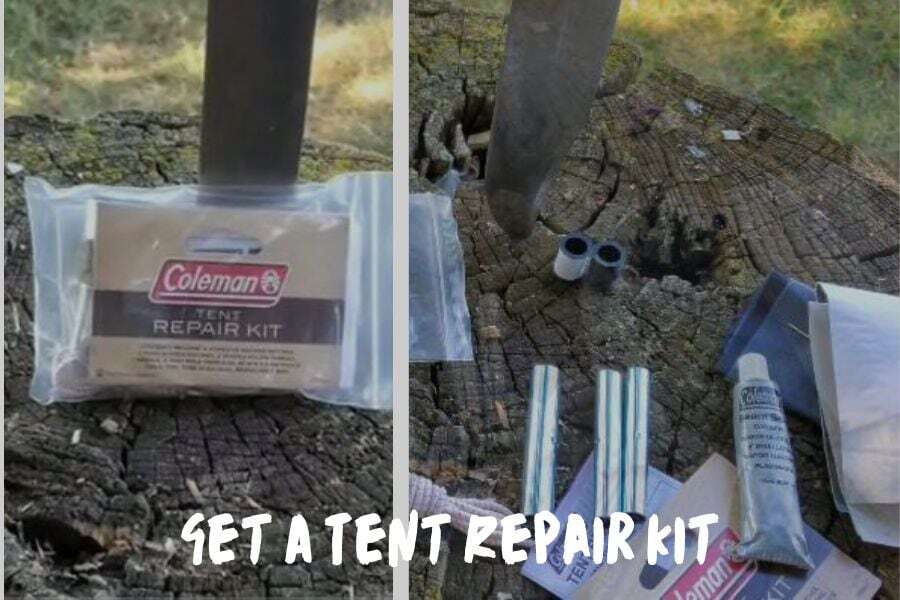
Proper tent maintenance is crucial for preserving its structural integrity and wind resistance. Regular inspections and appropriate storage procedures significantly extend the lifespan of your tent and ensure its reliable performance in various weather conditions, including strong winds. By proactively addressing potential issues, you can prevent costly repairs or replacements.Regular inspections and proper storage procedures are vital for maintaining a tent’s structural integrity and wind resistance, thus extending its lifespan.
They help to catch potential problems early and avoid costly repairs or replacements.
Importance of Regular Inspection
Regular inspection is paramount to identifying any damage or wear and tear before it compromises the tent’s structural integrity, particularly in high-wind conditions. By proactively addressing these issues, you can maintain the tent’s strength and stability. This proactive approach prevents unforeseen problems during use and ensures a safe and enjoyable camping experience.
Checking for Wear and Tear
Thorough examination of tent materials, stakes, and guy lines is essential. Look for tears, rips, or abrasions in the fabric. Inspect the stakes for bending, damage, or corrosion. Examine the guy lines for fraying, cuts, or damage that could affect their effectiveness. Addressing these issues promptly will prevent them from escalating into major problems.
Proper Storage After Use
Proper storage is equally important to preserving a tent’s integrity after use, especially after exposure to windy conditions. Cleaning the tent thoroughly removes dirt, debris, and moisture that could contribute to mold, mildew, or premature deterioration. Ensure the tent is completely dry before storing it. Store it in a clean, dry, and well-ventilated area, away from direct sunlight and extreme temperatures.
Recommended Checks Before and After Use
Regular checks before and after each use are critical for maintaining the tent’s wind resistance and overall condition. Before use, verify the stakes are intact and the guy lines are securely fastened. After use, carefully inspect the tent for any signs of damage.
- Before use: Verify that the tent’s poles are in good condition, the stakes are securely hammered, and the guy lines are properly attached and tensioned.
- After use: Carefully inspect the tent’s fabric for any tears, rips, or damage. Check the stakes and guy lines for damage. Thoroughly clean the tent and allow it to dry completely before storing.
Identifying and Addressing Damage
Prompt identification and resolution of any damage or potential issues are vital for maintaining the tent’s integrity. Minor tears or snags can be repaired with a suitable patch kit. If damage is extensive, consider professional repair or replacement. Addressing problems promptly prevents the spread of damage and potential catastrophic failures.
| Item | Check Before Use | Check After Use |
|---|---|---|
| Tent Fabric | Inspect for tears, rips, or abrasions. | Inspect for tears, rips, or damage. |
| Stakes | Ensure stakes are intact and free from bending or damage. | Check stakes for damage, bending, or corrosion. |
| Guy Lines | Verify guy lines are free from fraying or cuts. | Inspect guy lines for damage, fraying, or cuts. |
| Tent Poles | Ensure tent poles are in good condition and securely attached. | Inspect tent poles for any signs of damage. |
Dealing with Unexpected Strong Winds
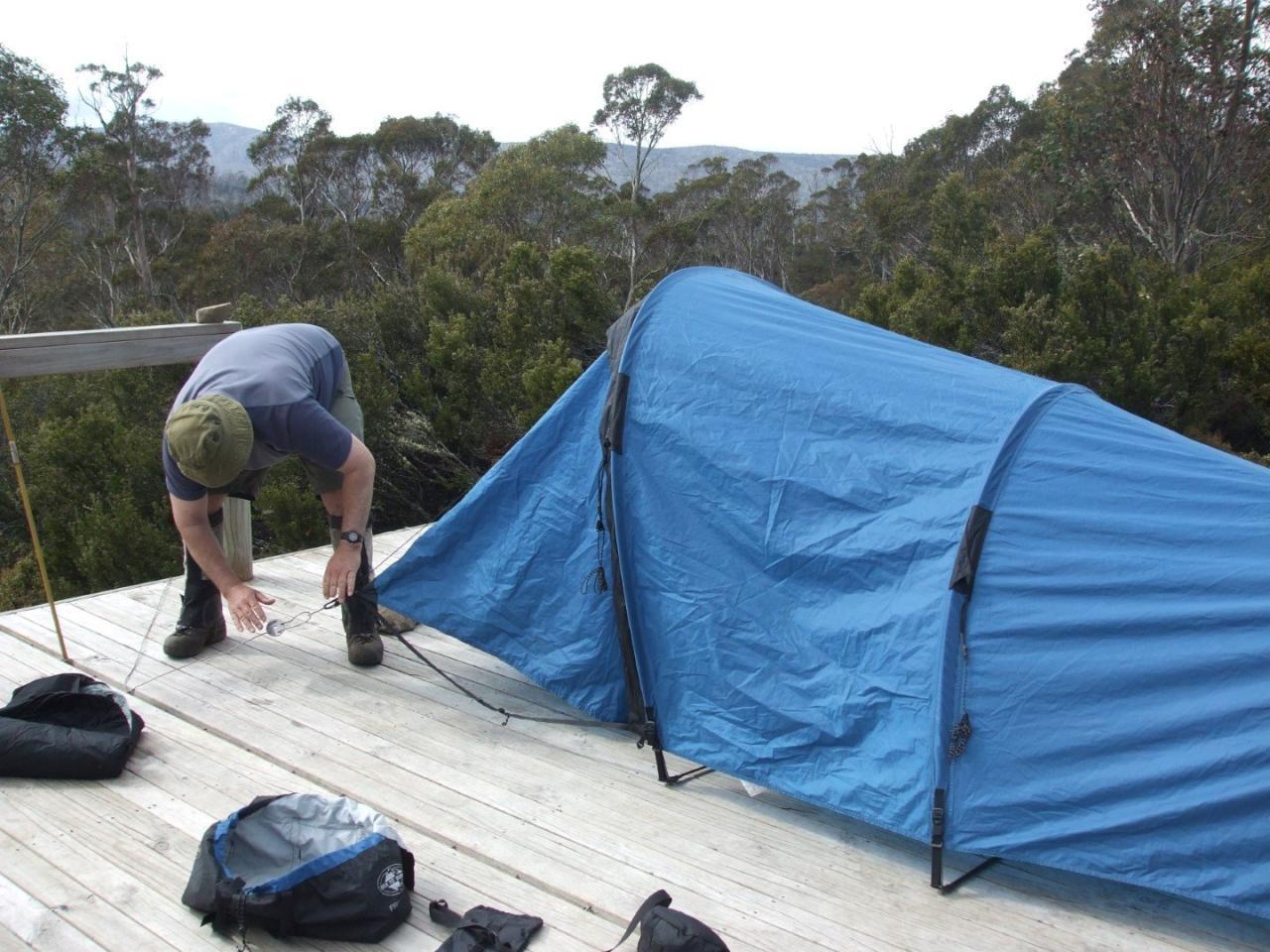
Camping adventures can be unexpectedly disrupted by strong winds. Understanding how to react swiftly and safely is crucial for maintaining a positive experience and preventing potential hazards. A well-prepared camper anticipates potential issues and has a plan in place to manage them effectively.Unexpected gusts of wind can pose a significant threat to your campsite setup. Swift and decisive action is essential to minimize risks and ensure the safety of everyone present.
The steps Artikeld below provide a practical framework for navigating such situations.
Best Practices for Unexpected Winds
Prompt and decisive action is key when strong winds unexpectedly arise. Assess the situation calmly, prioritize safety, and implement appropriate measures to mitigate potential damage. This approach will help maintain a safe and positive camping experience.
Safe Dismantling and Packing
Windy conditions necessitate a rapid and secure dismantling process. Efficiency is paramount in preventing injuries and damage to your tent and gear. A well-practiced, step-by-step procedure ensures a smooth and safe packing process.
- Quickly secure loose items. Anything that can blow away, like clothing, food, or smaller equipment, should be tied down or stored in a safe location immediately.
- Reduce the tent’s surface area exposed to the wind. Check for any loose ropes or stakes and re-secure them as needed. Consider partially collapsing the tent or bringing it closer to the ground to minimize wind resistance.
- Dismantle the tent carefully, working systematically from one end to the other. Unstake and unpeg carefully, avoiding abrupt movements that might cause the tent to flap or tear. Keep the tent fabric away from sharp edges or obstacles.
- Pack equipment methodically and store it securely. Fold and pack items neatly and ensure all zippers are closed. Place the packed tent and gear in a secure location protected from further wind damage.
Evacuation Procedures for High-Risk Campgrounds
High-risk campsites require established evacuation procedures for the safety of campers. Knowing what to do and acting quickly and calmly is crucial in these situations. Campgrounds with documented high-risk wind conditions often have designated evacuation routes and shelters.
- Listen for official announcements. Pay close attention to any announcements from campground staff or emergency services regarding evacuation procedures. This information will guide your actions.
- Follow evacuation instructions carefully. Designated routes and shelters should be followed diligently to ensure safety and avoid delays.
- Maintain situational awareness. Stay vigilant and be aware of the wind conditions and surrounding environment throughout the evacuation process.
- Inform others about your location. Let others know your plans and whereabouts during the evacuation. This ensures everyone is accounted for and helps in case of separation.
Step-by-Step Guide to Secure Your Tent
A structured approach to securing your tent against unexpected strong winds is vital. This method minimizes potential damage and maintains the safety of your camping experience.
- Assess the Wind Conditions: Evaluate the wind speed and direction. Note any changes in the wind patterns to anticipate potential shifts. Using a reliable weather app can help in making this assessment.
- Secure the Tent Stakes: Ensure all stakes are firmly driven into the ground. If possible, use extra stakes or guylines to provide added support. Pay special attention to areas most prone to wind uplift.
- Reinforce the Tent Anchors: Use additional guylines or heavy-duty straps to reinforce the tent’s anchors. This extra layer of support can help resist wind pressure.
- Monitor the Tent: Regularly check the tent’s integrity throughout the camping trip. Pay particular attention to the tent’s stability and ensure no loose components are present. Periodic checks help to catch issues before they become significant problems.
Epilogue
In conclusion, securing your tent against strong winds requires a combination of careful planning, proper setup, and proactive measures. By following the steps Artikeld in this guide, you can significantly enhance your tent’s stability and ensure a safe and enjoyable camping experience, even in challenging weather conditions. Remember that preparation is key to mitigating potential risks and enjoying the great outdoors safely.