Camping in the woods offers a unique opportunity to connect with nature and experience tranquility. However, achieving a restful night’s sleep can sometimes be challenging in the great outdoors. This comprehensive guide will equip you with the essential knowledge and strategies to ensure a peaceful and soundly slumberous camping adventure. From meticulous preparation to managing potential disruptions, we’ll explore effective techniques for maximizing your sleep experience.
This guide will cover essential gear, campsite selection, tent setup, creating a peaceful atmosphere, and managing noise and light. We’ll also delve into establishing a relaxing routine, addressing common sleep disruptions, and harnessing the power of natural elements for a truly restorative sleep experience. Finally, you’ll discover how to utilize natural remedies and create a calming environment to maximize your restful sleep while camping.
Preparing for a Peaceful Night
A peaceful night’s sleep while camping is crucial for enjoying the outdoors. Careful planning and preparation are essential for minimizing distractions and maximizing comfort. By considering factors such as campsite selection, gear choices, and tent setup, campers can ensure a restful and rejuvenating experience.
Essential Gear for Sound Sleep
Proper gear selection significantly impacts the comfort and quality of sleep during a camping trip. Investing in high-quality items that prioritize comfort and minimize noise will contribute to a more enjoyable experience. The following list highlights essential items:
- Sleeping Bag and Pad: A well-insulated sleeping bag, appropriate for the expected temperature range, is paramount. A comfortable sleeping pad will further insulate you from the ground, reducing cold transfer and providing a more supportive sleep surface. Consider inflatable or self-inflating pads for their convenience and comfort.
- Comfortable Bedding: A lightweight, breathable sleeping bag liner can add an extra layer of warmth and comfort, particularly in cooler temperatures. Consider bringing a lightweight pillow for extra neck support and a cozy blanket or a fleece blanket for added warmth.
- Noise-Reducing Gear: Earplugs are an essential component for minimizing noise pollution from wildlife, other campers, or the environment. Choose earplugs that fit comfortably and provide adequate noise reduction. A white noise machine or fan can also create a calming atmosphere and mask unwanted sounds.
- Headlamp or Flashlight: A reliable headlamp or flashlight is crucial for navigating the campsite at night and for ensuring easy access to your gear without disturbing others.
- Insect Repellent: Mosquitoes and other insects can disrupt sleep. A quality insect repellent is a must-have for a comfortable night outdoors. Consider using a lightweight and fast-drying repellent.
Campsite Selection for Optimal Sleep
Choosing a campsite strategically can significantly impact the quality of your sleep. Minimizing noise and light pollution is key to a restful night.
- Noise Reduction: Look for campsites away from busy trails, roadways, or other sources of noise. A campsite situated near a water source might offer a soothing ambiance, but ensure the proximity isn’t associated with loud noises.
- Light Pollution: Avoid campsites directly under trees or in areas with significant light pollution. Look for areas with minimal artificial light sources for a more natural sleep cycle.
- Proximity to Facilities: Balance the need for proximity to facilities like restrooms and water sources with the desire for a quiet, peaceful atmosphere. A campsite near these necessities is helpful but shouldn’t be the sole determinant in your selection.
Tent Setup for Maximum Comfort and Insulation
Setting up your tent correctly is crucial for a comfortable and insulated sleeping area. Proper tent setup considers temperature and weather conditions.
- Ground Preparation: Level the ground inside the tent footprint to minimize uneven surfaces. Use a tarp or groundsheet to further insulate the tent from the ground and protect it from moisture. Ensure the tent is situated away from exposed ground, and if the ground is uneven, use additional support to level the tent area.
- Weatherproofing: Check the weather forecast and consider using appropriate materials, like rain fly or tarps, to shield the tent from rain or wind. This is crucial for maintaining a stable temperature inside the tent and protecting it from potential damage.
- Ventilation: Ensure adequate ventilation in the tent to prevent moisture buildup. Consider using mesh panels or strategically placed vents to allow for air circulation, and keep the zippers open when the weather permits to promote a good night’s rest.
Creating a Calming Atmosphere
Creating a peaceful atmosphere in your camping space can enhance your sleep quality.
- Natural Sounds: Incorporate natural sounds, like flowing water or birdsong, to create a calming ambiance. A small portable fan or white noise machine can also be helpful to mask any external noises. Consider placing your tent in an area that naturally provides these sounds if possible.
- Aromatherapy: Essential oils, like lavender or chamomile, can promote relaxation and sleep. Using a diffuser or placing a few drops on a cotton ball can create a calming aroma. The use of these oils can enhance the experience and create a peaceful mood.
- Campfire Considerations: A campfire can create a warm and inviting atmosphere, but it’s essential to be mindful of safety regulations and the impact on the environment. Ensure the fire is contained within a designated area and extinguished properly before retiring.
Packing Checklist for a Restful Night’s Sleep
A comprehensive checklist ensures that you don’t forget any crucial items.
| Category | Items |
|---|---|
| Sleeping System | Sleeping bag, sleeping pad, pillow, sleeping bag liner, blanket |
| Clothing | Appropriate clothing for various temperatures, rain gear, and warm layers |
| Campsite Essentials | Tent, stakes, groundsheet, poles, repair kit, rope |
| Comfort & Safety | Headlamp, insect repellent, first-aid kit, toiletries, personal medications, reusable water bottle, snacks |
| Other | Cooking utensils, cookware, utensils, trash bags, map, compass, extra batteries, camera |
Managing Noise and Light
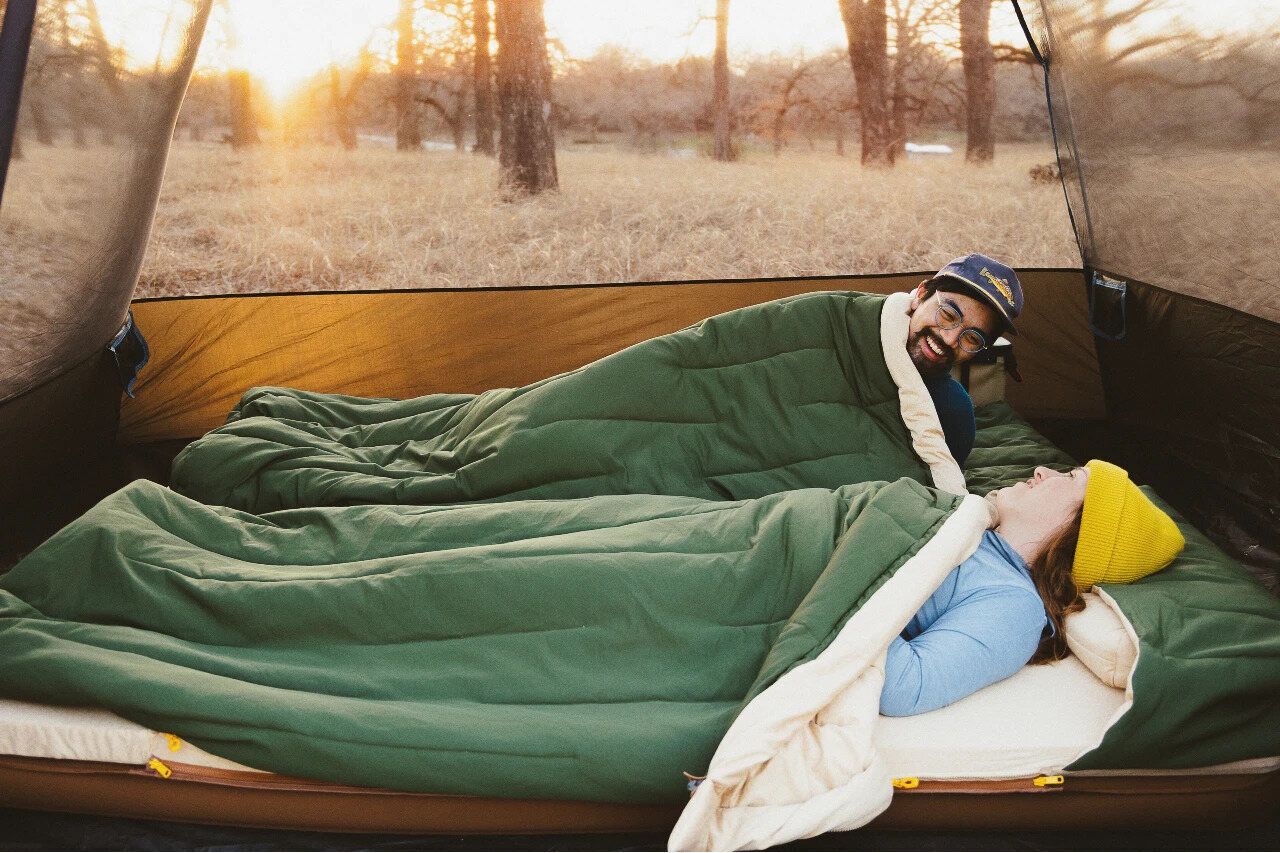
Ensuring a peaceful night’s sleep while camping requires proactive strategies for mitigating noise and light pollution. Effective management of these environmental factors is crucial for a restorative and enjoyable camping experience. Understanding the sources of unwanted noise and light, and employing appropriate countermeasures, significantly enhances sleep quality.Careful consideration of the surrounding environment and the use of suitable camping equipment are key to creating a tranquil sleeping area.
This involves recognizing the potential sources of noise and light, and selecting equipment designed to minimize their impact.
Noise Reduction Techniques
Effective noise reduction is essential for achieving a peaceful night’s sleep in the wilderness. Different approaches can be employed to minimize disruptive sounds, ranging from passive barriers to active sound-dampening techniques.
- Sound-blocking materials: Utilizing materials like thick sleeping bags, tents with sound-dampening fabrics, and strategically placed blankets or tarps can significantly reduce noise transmission. Proper tent setup, with consideration for wind direction and surrounding vegetation, can also play a role in reducing noise penetration.
- Natural barriers: Natural elements like trees and shrubs can act as sound buffers, creating a physical barrier between your campsite and external noise sources. Positioning your tent to take advantage of natural sound barriers is often a highly effective technique.
- White noise machines: These devices generate a constant, low-level sound that can mask other, more disruptive noises. This can be particularly helpful in areas with a high level of ambient noise.
- Earplugs: A simple yet effective method, high-quality earplugs can effectively block out unwanted sounds, ensuring a quieter sleep environment.
Light Reduction Strategies
Minimizing light pollution is equally important for promoting sound sleep while camping. Light penetrates even the thickest of fabrics, impacting melatonin production and disrupting sleep cycles.
- Light-blocking tents: Tents designed with dark, moisture-resistant fabrics are crucial for minimizing the penetration of light. These materials often have a high density or a special coating that blocks light more effectively than traditional fabrics.
- Light-blocking sleeping bags: Some sleeping bags are designed with a dark lining or a more dense fabric to help block light and maintain a dark environment. This is especially beneficial when camping in areas with ambient light.
- Eye masks: These simple devices provide an effective barrier against ambient light, allowing for a more comfortable and restful sleep experience. The quality of eye masks varies significantly, so choosing a high-quality mask is advisable.
- Campsite positioning: Placing your campsite away from bright lights, such as streetlights or headlights, is essential for minimizing light pollution. Strategic placement in relation to the surrounding landscape can be an effective method for limiting light penetration.
Comparing Camping Gear
Choosing the right camping gear can greatly impact your comfort and sleep quality. The effectiveness of noise and light blocking varies between different types of equipment.
| Gear Type | Noise Blocking | Light Blocking | Comments |
|---|---|---|---|
| Tents | Moderate to High (depending on fabric and design) | Moderate to High (depending on fabric and design) | Durable fabrics and reinforced seams contribute to noise and light reduction. |
| Sleeping Bags | Moderate (depending on insulation and fabric) | Moderate (depending on fabric) | Higher quality bags often offer better insulation and light blocking. |
| Sleeping Pads | Low | Low | Primarily insulation for warmth, not sound or light blocking. |
| Eye Masks | Low | High | Effective for light blockage, minimal effect on noise. |
Natural Elements for Blocking
Nature itself provides excellent tools for noise and light reduction. Careful positioning can maximize these natural barriers.
- Trees and shrubs: These natural barriers can help to block out noise and light, creating a more secluded and restful campsite.
- Dense vegetation: Thickets and forests provide a natural sound and light barrier. Positioning your campsite appropriately can take advantage of this natural protection.
Choosing Bedding for Insulation
Choosing a sleeping bag and pad that provides adequate insulation against the elements is crucial for restful sleep.
- Sleeping bag rating: Selecting a sleeping bag rated for the expected temperature range is essential for maintaining warmth and comfort throughout the night. This ensures that you are adequately protected from cold temperatures.
- Sleeping pad material: A high-quality sleeping pad will provide insulation and support, reducing cold-ground contact and promoting a more comfortable sleeping experience.
Establishing a Relaxing Routine
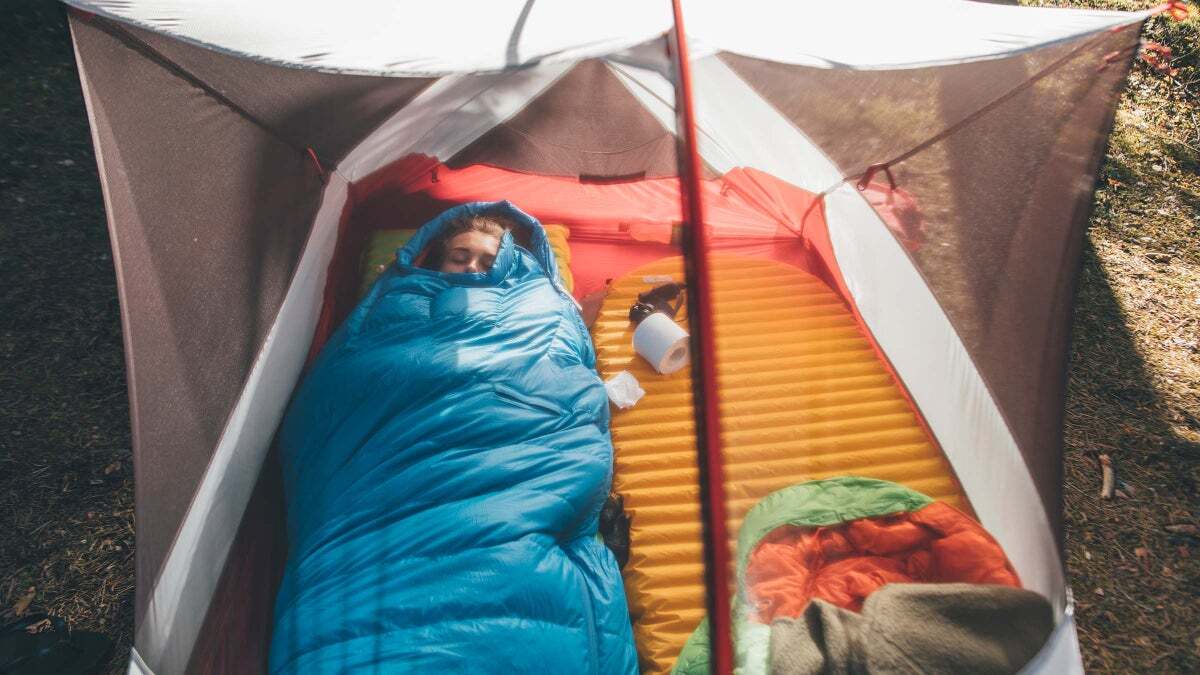
A well-structured bedtime routine is crucial for ensuring a restful night’s sleep, particularly when camping. Creating a consistent routine signals to your body that it’s time to wind down, reducing stress and promoting better sleep quality. This routine can be adapted to fit the unique environment of a campsite, while still maintaining a sense of comfort and familiarity.A calming bedtime routine, tailored to the camping experience, can help alleviate the anxieties that often accompany unfamiliar surroundings.
By incorporating specific activities and mindful practices, campers can successfully manage stress and enhance their sleep quality, ensuring a rejuvenating and peaceful night.
Sample Bedtime Routine for Camping
A consistent bedtime routine, even in a temporary environment like a campsite, helps regulate the body’s natural sleep-wake cycle. This predictable sequence signals to the body that it’s time to prepare for sleep.
- 6:00 PM – 7:00 PM: Enjoy a light, nutritious meal. Avoid heavy or spicy foods close to bedtime. A light snack, such as fruit or yogurt, can be a good option. Hydrate with water.
- 7:00 PM – 8:00 PM: Engage in a relaxing activity, such as reading a book, listening to calming music, or engaging in a gentle stretching routine. Avoid screen time during this period as the blue light emitted can interfere with sleep.
- 8:00 PM – 8:30 PM: Prepare your sleeping area, ensuring comfort and minimizing distractions. Adjust the tent’s position for optimal airflow and comfort. Organize your gear to reduce stress about finding items later.
- 8:30 PM – 9:00 PM: Practice mindfulness or meditation. A few minutes of focused breathing or guided meditation can calm the mind and prepare the body for sleep. Consider using nature sounds as a backdrop for meditation. Examples include recordings of rain, crickets, or the gentle rustling of leaves.
- 9:00 PM: Turn off lights and prepare for sleep. Use a red or amber light to maintain a calm atmosphere.
Managing Stress and Anxiety
Camping, while enjoyable, can sometimes evoke stress or anxiety, particularly if unexpected events or challenges arise. Recognizing these feelings and implementing coping mechanisms can significantly improve sleep quality.
- Acknowledge and Validate Feelings: Recognize that stress and anxiety are natural responses to unfamiliar situations. Allow yourself to feel these emotions without judgment. This is a crucial step in managing them effectively.
- Develop Coping Strategies: Engage in stress-reducing activities like deep breathing exercises, progressive muscle relaxation, or spending time in nature. Having a go-to coping mechanism can make a difference when faced with unexpected situations.
- Communicate with Campmates: Sharing concerns with fellow campers can provide support and reassurance, fostering a sense of community and reducing feelings of isolation.
- Prioritize Self-Care: Ensure you are getting enough rest, eating well, and staying hydrated. Adequate rest, nutrition, and hydration are fundamental for managing stress and maintaining good health.
Activities to Promote Relaxation
Incorporating calming activities into your pre-sleep routine can help transition your body and mind into a relaxed state, improving sleep quality.
- Gentle Exercise: Light activities like yoga or stretching can promote relaxation and improve sleep quality. Simple stretches or gentle yoga poses can be done in your tent or a designated area.
- Nature Walks: Taking a stroll through the surrounding forest or along a scenic trail can be a soothing experience, grounding you in the present moment.
- Reading: Reading a book or engaging in other quiet activities can help calm the mind and prepare it for sleep. A good book can help distract from anxieties and encourage relaxation.
- Storytelling: Sharing stories with fellow campers can be a bonding experience and a relaxing activity.
Comparing Camping Activities and Sleep Quality
The type of camping activity can significantly impact sleep quality.
| Activity | Positive Impact on Sleep | Negative Impact on Sleep |
|---|---|---|
| Quiet Observation (stargazing, nature walks) | High | Low |
| Active Hiking | Moderate (depending on intensity) | High (if strenuous) |
| Campfire Storytelling | Moderate | Moderate (if loud or late into the night) |
| Loud Music or Games | Low | High |
Mindfulness and Meditation Practices
Incorporating mindfulness and meditation practices into your camping routine can improve sleep quality and reduce stress.
- Guided Meditations: Use guided meditation apps or recordings designed for sleep to help focus on your breath and release anxieties. Nature-based sounds can provide a calming atmosphere.
- Mindful Breathing Exercises: Practice focused breathing techniques to calm the mind and relax the body. These techniques are effective in managing stress and promoting a sense of calm.
- Body Scan Meditation: Bring awareness to different parts of your body, releasing tension and promoting relaxation. This can be especially helpful in identifying and releasing physical tension.
Addressing Common Sleep Disruptions

Successfully navigating a camping trip hinges on more than just setting up camp and preparing meals; a crucial element is ensuring a restful night’s sleep. This often proves more challenging than anticipated due to a range of potential disruptions. This section delves into strategies for mitigating these issues, empowering you to enjoy peaceful nights under the stars.
Managing Insect Disturbances
Insect infestations can significantly impact sleep quality. Mosquitoes, gnats, and other biting insects can cause relentless itching and discomfort, disrupting your sleep cycle. Effective strategies involve proactive measures to minimize their presence. Utilizing insect repellent is a cornerstone of prevention. Applying it liberally to exposed skin, especially before nightfall, creates a barrier against insects.
Consider using mosquito netting around your tent to further shield yourself. Choosing a campsite with minimal insect activity, or one that is somewhat sheltered from wind, is another beneficial step. This can make a significant difference.
Addressing Wildlife Encounters
Camping in natural environments inevitably exposes you to wildlife. Squirrels, raccoons, or other nocturnal animals can make noise, disrupting your sleep. Preparing for such encounters involves understanding the potential problems and implementing preventative measures. Storing food properly in bear-resistant containers is paramount, especially in areas with higher wildlife populations. This prevents attracting animals to your campsite.
Keeping your campsite clean and free of food scraps can also deter unwanted visitors. If you encounter a persistent animal, cautiously move away from the area.
Dealing with Other Campers
Sharing a campsite with other campers can sometimes lead to disturbances. Loud conversations, boisterous laughter, or the sounds of music late into the night can disrupt your sleep. To minimize these problems, select a campsite that’s secluded or relatively quiet. Respecting others’ need for quiet, especially during the night, is essential for maintaining a harmonious atmosphere. Communicating with your fellow campers about maintaining a respectful volume level can also help.
Preparing for Extreme Weather
Camping involves an element of exposure to the elements. Sudden changes in temperature, heavy rain, or strong winds can significantly affect your sleep quality. Preparing for such conditions involves appropriate clothing and gear. Packing layers of clothing that you can adjust as needed is key. This enables you to adapt to varying temperatures.
Having a waterproof tent and other weather-resistant gear can ensure that your sleeping area remains dry. If the forecast predicts extreme weather, consider alternative accommodations or postpone your camping trip.
Managing Sudden Noise
Unexpected sounds, such as loud noises from vehicles or nearby construction, can easily disrupt your sleep. Minimizing these problems involves careful campsite selection. Choosing a site that is distanced from major roads or construction areas is beneficial. Using earplugs or a white noise machine can further help to mask unwanted sounds. Be prepared for unexpected noises and develop strategies for managing their impact on your sleep.
Maintaining Sleep Hygiene While Camping
Maintaining proper sleep hygiene while camping is crucial for restful nights. Establishing a regular sleep schedule, even while on vacation, is vital for adjusting to the time zone and avoiding sleep deprivation. Prioritizing a comfortable sleeping environment, including a proper sleeping surface, is important. Limiting caffeine and alcohol intake before bedtime can improve sleep quality.
Sound Machines and White Noise Generators
Sound machines and white noise generators are beneficial tools for masking unwanted sounds during camping trips. They produce a constant, neutral sound that can mask background noises and create a calming atmosphere. Different types of sound machines offer varied sounds, from nature sounds to instrumental music. Their pros include the ability to drown out distracting noises, such as traffic or barking dogs.
Cons may include the need for battery power or an electrical outlet.
| Problem | Solution | Effectiveness |
|---|---|---|
| Insect bites | Insect repellent, mosquito netting | High |
| Wildlife disturbances | Proper food storage, campsite cleanliness | Medium to High |
| Noise from other campers | Secluded campsite, respectful communication | Medium to High |
| Extreme weather | Layers of clothing, waterproof gear | High |
| Sudden noise | Ear plugs, white noise machine | Medium to High |
Utilizing Natural Elements for Sleep
Camping in the woods offers a unique opportunity to connect with nature and enhance your sleep experience. Harnessing the surrounding environment can create a calming atmosphere and promote deeper, more restful sleep. By thoughtfully integrating natural elements into your campsite routine, you can create an environment conducive to sleep and awaken feeling refreshed.Employing natural elements for sleep enhancement involves more than just choosing a scenic spot.
It’s about actively incorporating the surrounding environment into your preparation and routine. This includes selecting a suitable campsite location, using natural materials for comfort, and utilizing natural sounds to promote relaxation.
Natural Site Selection
Careful consideration of your campsite location can significantly impact your sleep quality. A flat, level area sheltered from the wind and direct sunlight is ideal. Trees can offer a degree of privacy and shade, while proximity to water sources can create a soothing ambiance. However, avoid locations that are excessively exposed to noise or potential dangers, such as near a busy trail or a known animal activity zone.
Natural Materials for Comfort
Natural materials provide an excellent way to create a cozy and comfortable sleeping space. A simple bed of pine needles or leaves beneath a waterproof tarp or a natural fiber sleeping bag offers insulation and comfort, while a strategically placed rock or a large log can provide a natural backrest or headrest. The use of natural materials like cotton or wool for bedding further enhances comfort and allows your body to regulate temperature effectively.
Natural Remedies for Sleep Improvement
Several natural remedies can enhance sleep quality. Chamomile tea, known for its calming properties, can be a soothing bedtime beverage. Lavender essential oil, often used for aromatherapy, can create a relaxing atmosphere. These natural remedies are generally safe and effective, especially when used in moderation.
Natural Soundscapes for Relaxation
Natural soundscapes can significantly contribute to relaxation and sleep. The gentle rustling of leaves in the wind, the chirping of crickets, or the soothing murmur of a nearby stream can all help to quiet the mind and promote a sense of calm. Recording these sounds can be used to create a personalized soundscape for your camping experience.
Creating a Natural Alarm System
A natural alarm system can gently awaken you in the morning without jarring you from a deep sleep. A strategically placed bird feeder or the gradual appearance of sunrise can be used as natural cues to wake up. These gentle cues are less disruptive than an electronic alarm clock and allow your body to gradually adjust to the change in light and temperature.
Ending Remarks
In conclusion, achieving sound sleep while camping requires careful planning and a proactive approach. By understanding the key elements of preparation, minimizing distractions, and establishing a relaxing routine, you can significantly improve your sleep quality during your outdoor adventures. The strategies presented in this guide will empower you to create a comfortable and peaceful camping experience, allowing you to fully appreciate the beauty and tranquility of the wilderness.