Camping is a fantastic way to connect with nature, but unpredictable weather can quickly ruin the experience. This comprehensive guide provides essential strategies for weatherproofing your tent, ensuring a dry and comfortable night under the stars. From selecting the right tent to proper maintenance, we’ll equip you with the knowledge and techniques needed to conquer any weather challenge.
Choosing the right tent is paramount. Consider the type of weather you anticipate, and select a model with appropriate materials and features. Size and capacity are also crucial factors to consider for optimal weather protection. A well-fitting tent, appropriately set up, and maintained is key to ensuring a comfortable camping experience.
Choosing the Right Tent
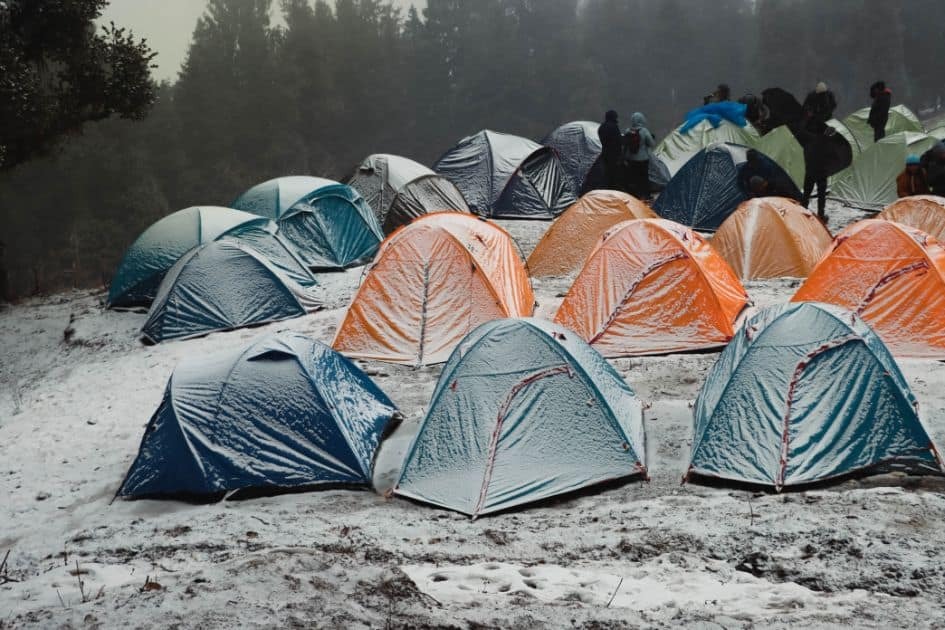
Selecting a suitable tent is crucial for a comfortable and enjoyable outdoor experience, especially when facing potential adverse weather conditions. A well-chosen tent, designed to withstand varying elements, will protect you from the elements and allow for a restful night. Proper consideration of tent type, size, and features is paramount for optimal weatherproofing.
Tent Types for Different Weather Conditions
Different tent types are engineered to handle various weather scenarios. Understanding these distinctions is key to selecting the right tent for your needs. Consider the anticipated conditions when making your decision.
- Rain-resistant tents often utilize waterproof fabrics like polyester or nylon, featuring water-resistant coatings and taped seams. These tents are suitable for light to moderate rainfall. Examples include dome tents and cabin tents, which typically include a rain fly to provide additional protection.
- Wind-resistant tents are designed with strong poles, reinforced materials, and often include guy lines or stakes for added stability. This is particularly important in windy areas. A good example is a tunnel tent, which often boasts a more robust structure than other designs. They also tend to have better ventilation.
- Snow-resistant tents require specific features. These tents often incorporate reinforced floors, heavier-duty poles, and a substantial rain fly to provide shelter from snowfall. Consider a dome tent or a cabin tent, which can better withstand the weight of accumulated snow, but often come with a higher price tag.
Importance of Size and Capacity
The size and capacity of a tent directly influence its ability to withstand adverse weather conditions. A tent that’s too small can become cramped and uncomfortable, especially in inclement weather. A large tent, on the other hand, might be overkill for solo camping and increase the risk of collapse in high winds.
- A tent’s capacity should align with the number of people using it. Overcrowding compromises ventilation and comfort, and can potentially lead to problems with warmth and condensation.
- A larger tent may offer more space and flexibility but can be heavier to transport and set up. It also increases the surface area exposed to wind, which might affect stability.
Factors to Consider for Specific Weather Situations
Several key factors need to be evaluated when selecting a tent for specific weather conditions. Thorough assessment will ensure the tent can withstand anticipated conditions.
- Wind resistance: Assess the anticipated wind speeds in your camping location. Look for tents with strong poles, reinforced materials, and adequate guy lines to secure the tent in high winds.
- Water resistance: Consider the likelihood of rainfall. A tent with a waterproof rainfly and taped seams is essential for protection from rain and moisture. Ensure the material is waterproof or highly water-resistant.
- Snow load: If snow is expected, prioritize a tent with a sturdy design, reinforced floor, and a substantial rainfly. Heavier-duty materials and reinforced poles can provide better support against snow accumulation.
Tent Model Comparison
The following table provides a comparative overview of different tent models, highlighting their weather resistance characteristics.
| Tent Model | Material | Water Resistance | Wind Resistance |
|---|---|---|---|
| Example Tent 1 (Dome Tent) | Polyester | High | Medium |
| Example Tent 2 (Tunnel Tent) | Nylon | High | High |
| Example Tent 3 (Cabin Tent) | Polyester/Nylon | Very High | Medium |
Setting Up for Optimal Protection
Proper tent setup is crucial for a comfortable and dry camping experience. Careful consideration of terrain, wind conditions, and water sources will significantly enhance your chances of a successful and enjoyable outing. This section details best practices for setting up your tent for optimal weather protection.Setting up a tent on uneven terrain requires a proactive approach to prevent water pooling.
A level surface is ideal, but often impossible to achieve in the outdoors. Understanding how to manage unevenness is key to preventing water accumulation inside your tent.
Setting Up on Uneven Terrain
To minimize water pooling on uneven ground, begin by carefully examining the area where you intend to pitch your tent. Identify low spots or depressions where water might collect. Strategically place the tent so that the lowest point of the tent’s floor is elevated above these low spots. Use rocks, dirt, or other available materials to create a slight incline, directing water away from the tent’s entrance and floor.
This simple technique can prevent water from accumulating and creating a damp interior.
Staking the Tent in Windy Conditions
Staking your tent firmly is essential for maintaining stability in windy conditions. Proper staking prevents the tent from shifting or collapsing, protecting your gear and ensuring a safe camping experience. Stake the tent using the designated stake points, distributing the weight and tension evenly. Ensure stakes are driven deep into the ground, especially on sloped or loose surfaces.
If the ground is particularly soft, consider using additional stakes or guylines to enhance stability. In strong winds, consider using larger or heavier stakes, or adding extra guylines to provide extra support.
Tent Placement to Avoid Exposure
Strategic tent placement is vital for minimizing exposure to prevailing winds and potential water sources. Positioning your tent to take advantage of natural barriers, such as trees or rocks, can reduce wind impact. Avoid setting up directly beneath overhanging branches that might shed water or debris. Likewise, position your tent away from areas prone to flooding or water accumulation, such as low-lying areas or near streams.
Consider the direction of the prevailing wind, and position your tent so that it faces away from the wind.
Attaching the Rainfly
Correctly attaching the rainfly is a critical step for maximizing weather protection. A properly fitted rainfly forms a watertight seal, preventing rain from entering the tent. First, carefully check the rainfly for any damage or tears. Then, follow the manufacturer’s instructions for attaching the rainfly to the tent poles and corners. Ensure that the rainfly is taut and securely fastened to avoid gaps or openings that could allow water to penetrate.
Inspect the rainfly for any signs of leakage, adjusting as needed to ensure a watertight seal. This meticulous approach protects your gear and ensures a comfortable and dry night.
Protecting Against Water
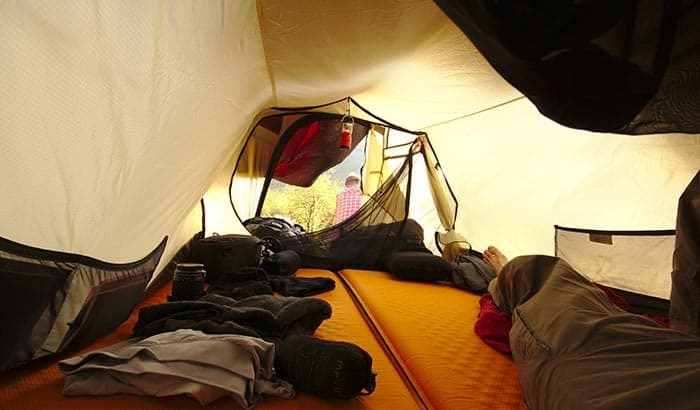
Proper water resistance is crucial for a comfortable and enjoyable camping trip. A waterproof tent shields you from the elements, ensuring a dry and pleasant night’s sleep. Understanding how to protect your tent from water damage is essential for maximizing its lifespan and ensuring your comfort.Thorough inspection and preventative measures are key to maintaining a watertight tent. Regular checks for leaks, along with proper sealing techniques, will significantly extend the tent’s lifespan and reliability.
Checking for Leaks
Regularly inspecting your tent for leaks, particularly before and after exposure to rain, is vital for maintaining its integrity. Pre-trip checks allow for the prompt identification and repair of potential issues, preventing water intrusion during use. Post-rain inspections are equally important. Immediate attention to leaks discovered after a storm prevents further damage and ensures a dry tent for future use.
Preventing Water Entry Through Seams and Weak Points
Water often enters a tent through seams and weak points in the fabric. These areas are vulnerable to leaks if not properly sealed. Carefully inspect these areas for any signs of damage, such as loose stitching or tears. Using specialized tent repair materials can help reinforce these areas and prevent future water infiltration.
Sealing Seams and Vulnerable Areas
Properly sealing seams and other vulnerable areas is a crucial step in preventing water damage. Seam taping is a common and effective technique. This involves applying waterproof tape to all seams to create a watertight barrier. Other methods include using specialized seam sealants. Careful application is key to ensuring a complete seal, preventing water from seeping into the tent interior.
Waterproofing the Tent Floor and Walls
Protecting the tent floor and walls from water damage is essential for maintaining dryness. Applying a waterproof sealant to the floor, for instance, is a preventive measure. A waterproof sealant spray or similar products can treat the fabric to enhance its water-repellent properties. Regular application of sealant to both the tent floor and walls is recommended for optimal protection.
Summary of Water Resistance Methods
| Method | Description | Pros | Cons |
|---|---|---|---|
| Seam Taping | Applying waterproof tape to all seams to create a watertight barrier. | Effective in preventing water ingress through seams, relatively inexpensive. | Requires precision and attention to detail, may not be suitable for all fabric types. |
| Sealant Sprays | Applying a waterproof sealant spray to the tent floor and walls. | Improves water resistance, can be applied to existing fabric. | May require multiple applications for optimal results, can affect breathability. |
| Fabric Treatments | Applying a fabric treatment to the tent fabric. | Improves water resistance and durability, often long-lasting. | May require specific application techniques, potentially more expensive than other methods. |
Protecting Against Wind
Wind can significantly impact the stability and comfort of your camping experience. A strong gust can easily destabilize a poorly anchored tent, leading to discomfort, leaks, and potential damage. Understanding wind’s effects and employing appropriate anchoring techniques is crucial for a safe and enjoyable camping trip.Proper anchoring is paramount in windy conditions. Effective wind resistance relies on a combination of factors, from the tent’s design to the ground conditions and the way you secure it.
Knowing how to properly anchor your tent can significantly enhance its ability to withstand even strong gusts.
Understanding Wind Effects on Tents
Wind forces act on the tent’s surface, creating pressure differentials that can cause the tent to collapse or blow away. The shape and size of the tent, along with the surrounding terrain, play a crucial role in determining how wind will affect it. Tents designed with wind resistance in mind, often with stronger poles and reinforced seams, are more resilient to strong winds.
Securing the Tent in Windy Conditions
Proper anchoring is essential for preventing tent movement in windy conditions. The anchoring method depends on the terrain and the type of tent. Using appropriate stakes and guylines is critical. They provide the necessary tension to keep the tent firmly planted and resist the force of the wind.
Importance of Stakes and Guylines
The quality and proper use of stakes and guylines are paramount. High-quality stakes are designed to penetrate the ground effectively, even in compacted or uneven terrain. Appropriate guylines are essential for creating tension and counteracting wind forces. The length and placement of guylines are crucial to preventing the tent from shifting or blowing away.
Different Methods for Securing the Tent
Various methods exist for securing a tent in high winds. One common approach involves using multiple stakes and guylines to create a robust anchoring system. Another method involves using larger stakes or employing additional anchoring systems, such as weights or sandbags, especially on sloped or uneven terrain.
Steps to Take When Encountering Strong Winds
- Assess the Wind Conditions: Carefully evaluate the wind’s strength and direction before setting up the tent. If the wind is very strong, consider postponing your camping trip or finding a more sheltered location.
- Choose a Suitable Campsite: Look for a spot that offers natural wind protection, such as behind a rock outcropping or near a dense tree line. Avoid open areas or exposed ridges where wind can easily exert its force.
- Anchor the Tent Securely: Use multiple stakes and guylines to create a strong anchor system. Ensure the stakes are firmly driven into the ground. This is more important in windy conditions.
- Check for Tension: Verify that all guylines are taut and properly anchored to prevent the tent from shifting or blowing away. Regular checks are necessary, especially during periods of increasing wind.
- Monitor the Weather: If the wind increases during your camping trip, take precautions to reinforce the tent’s anchoring. Consider moving to a more sheltered location if necessary.
Protecting Against Snow
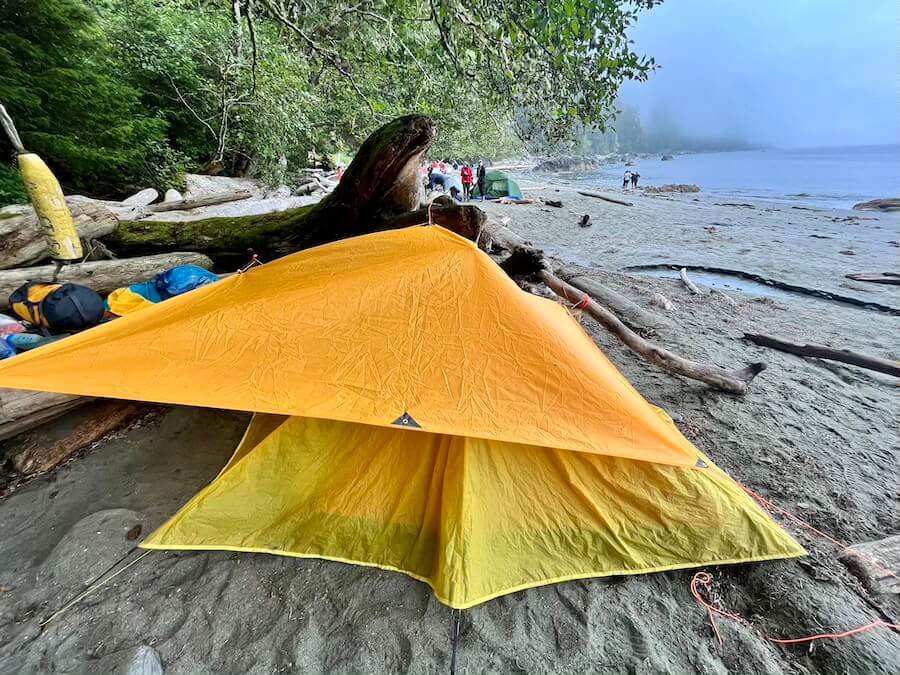
Snowfall can significantly impact tent stability and comfort. Understanding how snow affects your tent and implementing appropriate strategies can prevent damage and ensure a pleasant camping experience even in winter conditions. Proper preparation and techniques are crucial for weathering a snowy night.
Impact of Snow on Tent Stability and Water Resistance
Snow accumulation on a tent’s roof can dramatically alter its weight distribution, potentially leading to structural stress and collapse. Heavier snow loads can exceed the tent’s design capacity, especially in high-wind conditions. Moreover, snow can compact and form ice, increasing the weight and potentially compromising the tent’s waterproofing. This accumulation of ice and snow can reduce the tent’s water resistance, allowing water to seep in through the fabric or seams, leading to a damp or wet interior.
The added weight can also cause the tent poles to bend or break, further compromising its structural integrity.
Preventing Snow Accumulation on the Tent Roof
Strategic placement of the tent can minimize snow buildup. Pitching the tent on a slightly elevated or sloped area, or away from prevailing winds, can help direct snow away from the tent roof. Using snow stakes or strategically placing rocks around the tent’s base can prevent the tent from being pushed over by heavy snow. Considering the direction of expected snow drifts, the placement of the tent can reduce the chance of snow accumulation.
Preventing Snow Melt Inside the Tent
Melting snow inside a tent creates a significant moisture issue. This can lead to a damp, uncomfortable interior, even if the tent’s outer fabric is dry. To prevent this, ensure the tent’s groundsheet is in good condition and covers the entire area to avoid snowmelt directly under the tent. Properly sealing any gaps or tears in the groundsheet is crucial to prevent water from seeping into the tent from the ground.
Using a waterproof ground tarp can further help insulate the tent floor from the cold ground, preventing melting and moisture buildup.
Preparing the Tent for Snowy Conditions
Thorough inspection of the tent’s fabric, seams, and poles before a snowy trip is essential. Check for any damage or wear and tear, and repair or replace any problematic areas. Ensure all zippers and closures are functioning properly, as these are critical for maintaining the tent’s integrity. Pre-treating the tent fabric with a water-resistant spray can enhance its resistance to snow and moisture.
Cleaning Snow from a Tent to Prevent Damage
Careful snow removal is crucial to avoid damaging the tent’s fabric. Use a soft-bristled brush or your hands to gently remove snow from the tent’s roof and walls. Avoid using sharp objects or abrasive materials, which could scratch or tear the tent fabric. Shake off any loose snow from the tent poles and avoid putting too much weight on any one area of the tent during the process.
Never forcefully pull or yank on any part of the tent.
Maintaining Your Tent for Future Trips
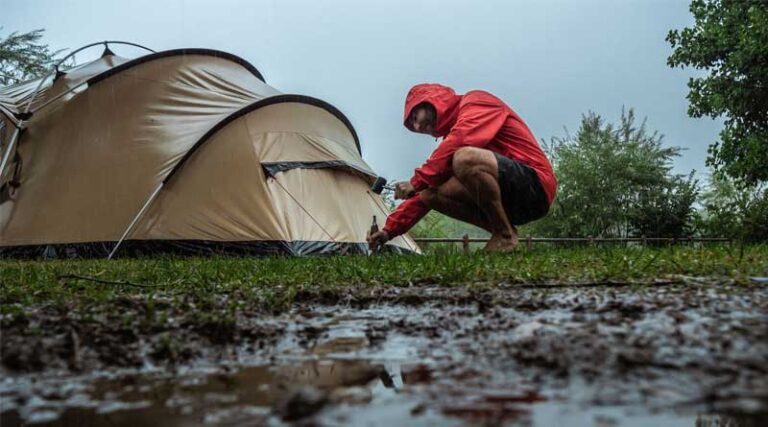
Proper tent maintenance is crucial for ensuring its longevity and continued performance. Regular care will not only extend the life of your investment but also guarantee a comfortable and dry experience on your future adventures. This involves cleaning, drying, storage, inspection, and repair strategies. Following these steps will keep your tent in top condition for many years to come.Thorough maintenance goes beyond simply storing the tent away.
It’s about actively preserving its integrity and functionality. By understanding the correct methods for cleaning, drying, and storing your tent, you can safeguard its waterproof properties and reduce the likelihood of premature wear and tear. A well-maintained tent will offer a dependable shelter, ensuring countless enjoyable outdoor trips.
Cleaning and Drying Your Tent
Proper cleaning and drying after each use are essential to prevent the buildup of mildew, dirt, and moisture, which can compromise the tent’s waterproof coating. This will help maintain the tent’s longevity and its ability to withstand various weather conditions.
- Remove any visible debris, dirt, or mud from the tent’s surface. Use a soft-bristled brush or a damp cloth for delicate fabrics.
- If the tent is heavily soiled, you can use a mild soap solution and a soft sponge or cloth to gently clean the affected areas. Avoid harsh chemicals that may damage the tent’s fabric or coating.
- Thoroughly rinse the tent with clean water to remove all traces of soap or dirt. Ensure the tent is completely dry before storing it.
- Allow the tent to air dry completely in a well-ventilated area, away from direct sunlight. Avoid using a dryer or heat source, as this may damage the tent’s fabric and reduce its lifespan.
Storing Your Tent Properly
Proper storage is vital for maintaining the tent’s waterproofness and preventing damage. This involves more than simply folding it up and putting it away.
- Ensure the tent is completely dry before storing it. Moisture trapped inside the tent can lead to mildew and mold growth, potentially compromising the tent’s fabric and waterproofing.
- Pack the tent away in a clean, dry, and well-ventilated area. Avoid storing the tent in damp or humid environments.
- Store the tent in a cool, dry place away from direct sunlight, heat, and extreme temperature fluctuations. These factors can cause the tent’s fabric to degrade over time.
- Consider using a waterproof storage bag to protect the tent from dust, moisture, and other environmental factors.
Inspecting and Repairing Damage
Regular inspection and prompt repair of any damage are critical to maintain the tent’s structural integrity and waterproofness. Addressing issues promptly will prevent them from escalating and potentially compromising the tent’s overall performance.
- After each trip, carefully inspect the tent for any tears, punctures, or damage to the poles or seams. Pay particular attention to areas that may have been exposed to rough terrain or weather conditions.
- Use a waterproof sealant or repair kit to mend any small tears or punctures. For more extensive damage, consult a professional tent repair service or consider replacing the damaged part.
- Examine the tent’s poles for any bends, kinks, or signs of damage. If necessary, replace damaged poles to ensure proper support and prevent further damage during use.
Common Tent Problems and Solutions
Identifying and addressing common tent problems can help prevent larger issues and ensure a comfortable and safe camping experience. Knowing how to address these problems will contribute to the long-term health of your tent.
- Mold or mildew: If mold or mildew appears, clean the affected area with a bleach solution (diluted). Ensure the tent is completely dry before storing it. Prolonged exposure to moisture is a major cause of this issue.
- Leaks: If water leaks into the tent, inspect the seams, rainfly, and zippers for damage. If found, apply waterproof sealant to repair any tears or gaps. Consider replacing the damaged part if the issue is significant.
- Torn or damaged poles: If the poles show damage, it is crucial to replace them. Damaged poles can lead to instability and compromise the tent’s integrity, affecting its structural support.
- Waterproofing issues: If the tent is not waterproofing properly, check for damaged seams, zippers, or rainfly. Applying waterproof sealant or replacing damaged parts will help resolve the issue.
Storing Your Tent in Different Conditions
Appropriate storage methods should be adjusted based on environmental conditions. This is vital to prevent damage from extreme temperatures or humidity.
- Hot conditions: Store the tent in a cool, shaded area to prevent the tent’s fabric from degrading due to excessive heat. Avoid storing it in direct sunlight.
- Cold conditions: Ensure the tent is completely dry before storing it in cold temperatures to prevent condensation buildup. Store it in a frost-free location.
Final Thoughts
In conclusion, mastering the art of weatherproofing your tent is vital for enjoyable camping trips. By carefully selecting the right tent, setting it up correctly, and employing effective strategies for water, wind, and snow protection, you can ensure a comfortable and dry experience. Proper maintenance will extend the lifespan of your tent and guarantee a smooth camping adventure for years to come.